
Keeping pet birds happy isn’t just about food and water—it’s about creating a life that mimics the freedom and curiosity they’d enjoy in nature. Birds are intelligent, social creatures that crave attention, stimulation, and interaction. Without it, they can become bored, anxious, or even aggressive. In this guide, you’ll discover the best ways to keep pet birds happy and mentally stimulated while building a stronger bond with your feathered friend.
Understanding Your Pet Bird’s Emotional Needs
Every bird has a personality. Some love noise and activity, while others prefer calm environments. Understanding your bird’s emotions helps you create an enriching routine that keeps them happy and healthy.
Birds thrive on three key things: interaction, exploration, and routine. When any of these are missing, you’ll see signs of stress such as feather plucking, excessive screaming, or withdrawal.
To keep your pet bird happy, you must read their cues. Watch for body language—fluffed feathers, relaxed wings, and bright eyes usually mean they’re content. On the other hand, pacing or biting can signal boredom or frustration.
Provide a Spacious and Stimulating Environment
A bird’s cage isn’t just a home—it’s their entire world. If it’s too small or empty, it can feel like a prison.
Choose the Right Cage Size
The larger the cage, the better. Birds need room to stretch their wings, hop, and climb. As a rule of thumb, the cage should be at least twice the wingspan of your bird. Horizontal bars are ideal for climbing and exercise.
Position the cage in a lively but safe area of your home, like the living room. Avoid drafty windows or kitchens, which can be dangerous due to fumes or temperature changes.
Add Perches and Safe Toys
To keep pet birds happy, vary their environment with perches of different shapes and textures. Natural wood, rope, and soft rubber are all great options. Avoid smooth plastic or sandpaper-covered perches—they can harm your bird’s feet.
Next, bring in toys! Birds love to chew, shred, and investigate new things. Rotate toys weekly to maintain novelty. Good examples include foraging balls, swings, bells, and cardboard puzzles. This simple rotation can transform your bird’s daily experience.
Encourage Daily Play and Exercise
Movement is life for birds. In the wild, they fly miles daily. In captivity, that freedom must be recreated in smaller ways.
Supervised Out-of-Cage Time
If your home is bird-safe, let your feathered friend out to stretch their wings. Close doors and windows, turn off ceiling fans, and block access to toxic plants or wires. Even 30 minutes a day of free flight can dramatically boost their mood and fitness.
When flight isn’t possible, climbing gyms, ropes, and ladders are excellent alternatives. Use treats to encourage exploration and gentle exercise.
Interactive Play Sessions
Playing together builds trust and prevents loneliness. Try simple games like peek-a-boo or teaching them to fetch lightweight objects. Some birds enjoy dancing to music or mimicking sounds.
Remember—play should always be positive. If your bird seems tired or uninterested, stop and try again later. Forcing play can cause stress rather than joy.
Stimulate Their Minds with Training and Challenges
Birds are smarter than most people realize. They can learn words, tricks, and even problem-solving tasks.
Teach Simple Tricks
Start with basic commands like “step up” or “turn around.” Use small treats or praise as rewards. These sessions should be short—five to ten minutes is perfect. The goal is to engage, not overwhelm.
Over time, increase the challenge by introducing color sorting, puzzle feeders, or teaching them to ring a bell for a snack. This type of mental stimulation helps keep pet birds happy while strengthening your bond.
Foraging and Food Games
In nature, birds spend hours searching for food. You can recreate that with foraging toys. Hide treats in paper cups, small boxes, or puzzle feeders. The joy of discovering hidden snacks satisfies their instincts and keeps them mentally sharp.
Rotate the games and use different textures—crumpled paper one day, woven baskets the next—to maintain variety and excitement.
Create a Healthy Social Life
Birds are flock animals, so loneliness can be deeply distressing.
Bonding Through Interaction
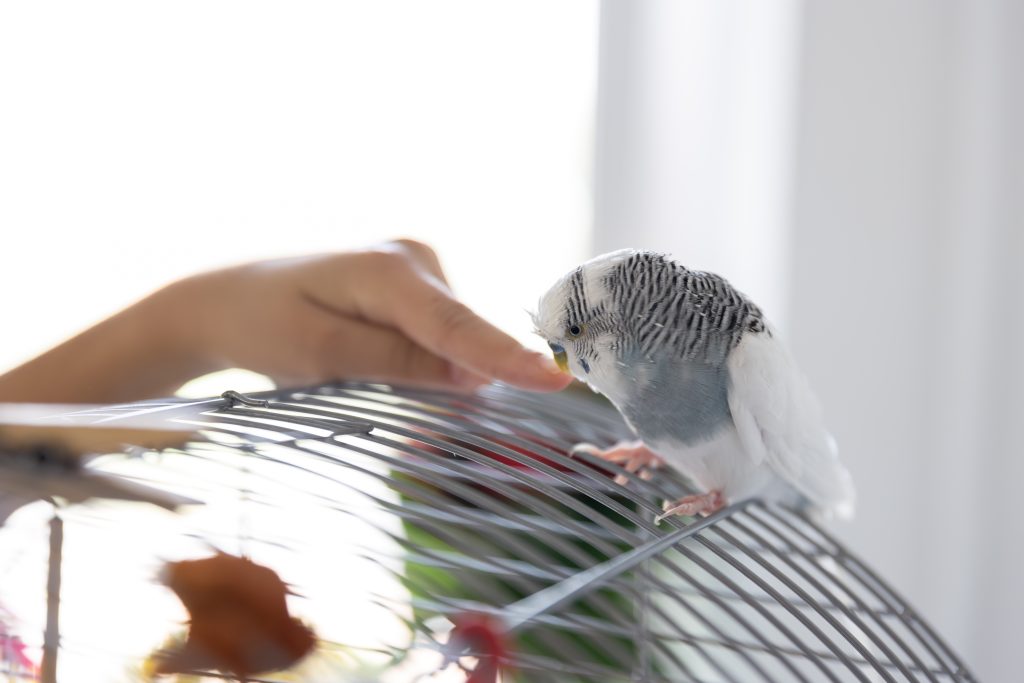
Spend time near your bird daily. Talk to them, whistle, or let them perch on your shoulder while you read or watch TV. These small moments make a big difference.
If your schedule keeps you away often, consider getting a companion bird—if your species is social and compatible. Quieter birds like finches and canaries may prefer observing from afar, while parrots and cockatiels crave closer interaction.
Respect Their Boundaries
Just like humans, birds have moods. Some days they want to socialize, other days they need space. Watch for signs of overstimulation, such as biting or flapping. Respecting these signals helps your pet feel safe and understood.
Maintain a Balanced Diet for Energy and Mood
Nutrition plays a huge role in your bird’s emotional and physical health.
Offer Variety and Fresh Foods
A seed-only diet can lead to malnutrition and boredom. Combine high-quality pellets with fresh fruits, vegetables, and occasional nuts or grains. Offer foods like kale, carrots, and apples (avoid seeds and pits).
Always introduce new foods slowly. Birds can be cautious eaters, so patience pays off. Removing uneaten fresh food after a few hours keeps their environment clean and safe.
Hydration and Treats
Fresh, clean water should always be available. Wash bowls daily to prevent bacteria buildup. Healthy treats like unsalted nuts or millet sprays make great training rewards—but moderation is key. Too many treats can cause weight gain and lethargy.
Ensure a Good Sleep Routine
Just like humans, birds need quality sleep for mood regulation and immunity.
Birds require around 10 to 12 hours of darkness and quiet each night. Cover their cage with a breathable fabric to block light and noise. Keeping a consistent bedtime routine helps your bird feel safe and rested.
A sleepy or grumpy bird may fluff up feathers or act distant—both signs it needs more rest. Prioritize their sleep environment as much as their playtime.
Conclusion
To keep pet birds happy and stimulated, think like a bird. Offer freedom, variety, and companionship. A rich environment filled with toys, play, training, and love transforms their life from routine to rewarding. By meeting their emotional and physical needs daily, you’ll not only prevent stress and boredom—you’ll build a deep, trusting connection that makes every chirp and whistle a sign of pure joy.
FAQ
1. How can I tell if my pet bird is happy?
A happy bird will have bright eyes, smooth feathers, and an active personality. Singing, playful movements, and curiosity are all great signs.
2. How often should I change my bird’s toys?
Rotate toys weekly or biweekly. This keeps them fresh and engaging while preventing boredom or obsessive behavior.
3. Can I leave my bird alone all day?
It’s best not to. Birds are social animals. If you’re away often, provide enrichment toys and background sounds, or consider a companion bird.
4. What are the best treats for training birds?
Small pieces of millet, sunflower seeds, or chopped fruit work well. Use small portions to keep your bird motivated and healthy.
5. How much sleep do pet birds need?
Most birds need 10–12 hours of uninterrupted sleep in a quiet, dark environment to stay healthy and calm.