
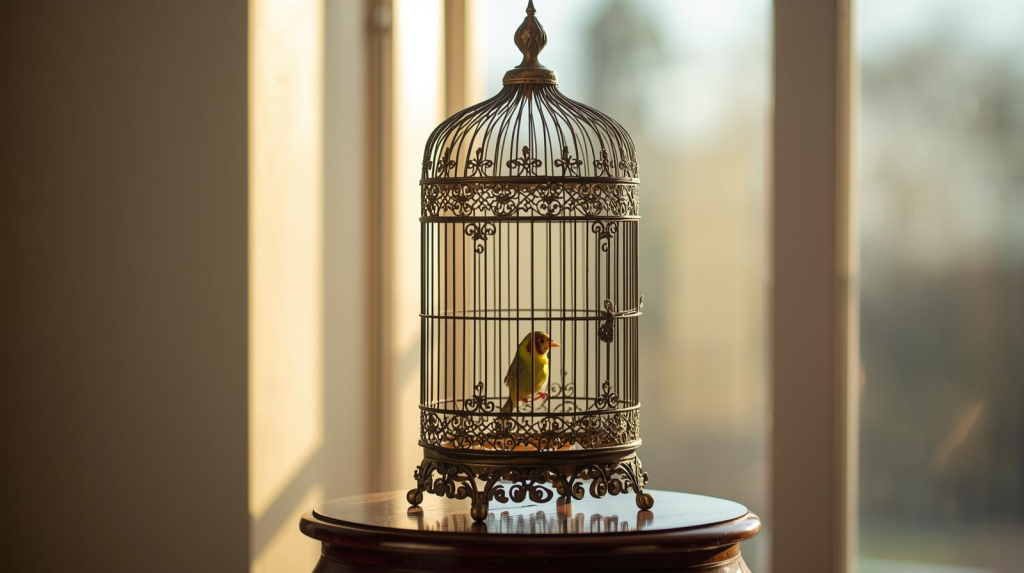

Keeping a bird cage fresh isn’t just about controlling odor—it’s about creating a healthy, comfortable space for your feathered friend. Whether you have a parakeet, cockatiel, or parrot, freshness affects their health, mood, and even how they sing. Let’s explore how to keep bird cages fresh and odor-free the right way.
Why Fresh Bird Cages Matter
A clean, odor-free cage means better air quality and a happier bird. Birds have sensitive respiratory systems, and even mild ammonia smells from waste can irritate their lungs. A fresh cage helps prevent infections, parasites, and stress-related behavior like feather plucking.
Think of it like your own home. You wouldn’t want to live in a space where the air feels stale or the floor is constantly dirty. The same logic applies to your bird’s living environment. Regular freshness routines keep your bird’s cage pleasant for both you and your pet.
Setting Up for Freshness from the Start
Freshness begins with how you set up your cage. The right foundation makes ongoing cleaning and odor control much easier.
Choose the Right Cage Size and Material
A cage that’s too small traps odors and waste. Larger cages allow air to circulate freely and make it easier for your bird to move without smearing droppings everywhere.
Material matters too. Stainless steel is the best option for long-term freshness—it doesn’t rust, absorb odor, or retain stains like painted or wooden cages might. If you already own a coated cage, inspect it regularly for chipped paint, as that can trap bacteria and smell.
Proper Placement for Airflow and Cleanliness
Where you put the cage affects how fresh it stays. Avoid placing it near kitchens or drafty windows, where food smells and dust can accumulate.
Instead, choose a well-ventilated spot with indirect sunlight and gentle air movement. Good airflow naturally reduces moisture and odor buildup. And remember—birds love a little sunlight, but too much direct heat can spoil food and cause bacterial growth.
Daily and Weekly Cleaning Routines
Consistency is key when it comes to odor control. With a proper routine, you’ll barely notice any smell at all.
Daily Tasks That Prevent Odor
Every day, take a few minutes to do these tasks:
- Replace cage liners or paper to remove droppings before they dry and smell.
- Wipe perches, food bowls, and toys with a damp cloth to remove residue.
- Change food and water daily—stale water is a hidden source of odor and bacteria.
By handling small messes immediately, you prevent the kind of buildup that leads to strong smells later.
Weekly Deep Cleaning Steps
Once a week, do a full clean:
- Move your bird safely to a temporary perch or travel cage.
- Remove everything from the cage—perches, dishes, and toys.
- Wash all items with warm water and mild, bird-safe soap. Avoid bleach and strong chemicals.
- Scrub cage bars and the base thoroughly. Rinse and dry completely before reassembling.
This weekly deep clean resets freshness and ensures bacteria never have time to multiply.
Adding a sprinkle of baking soda under the cage liner after cleaning can also help neutralize any lingering odor naturally.
Natural Ways to Keep Bird Cages Fresh
You don’t need harsh chemicals to maintain freshness. In fact, natural methods are often safer and more effective for both birds and owners.
Using Safe Natural Deodorizers
Baking soda, activated charcoal, and white vinegar are your best friends. A small open jar of baking soda or charcoal near the cage (but out of reach) can absorb smells.
For cleaning, a 50/50 mix of white vinegar and water removes residue and kills odor-causing bacteria without leaving harmful fumes. Always rinse well afterward.
Avoid air fresheners or scented candles near birds—these can damage their lungs. Instead, let nature do the work.
Controlling Moisture and Mold
Moisture is the enemy of freshness. Wet cage liners, spilled water, or humidity encourage mold growth and odors.
To fight this, check for spills daily and dry them promptly. You can also use a small dehumidifier in the room or keep a fan circulating air.
If your bird bathes frequently, move the cage away from walls or furniture to avoid damp buildup. The drier the environment, the fresher it stays.
Common Mistakes That Cause Odor
Even well-intentioned bird owners sometimes make mistakes that worsen odor problems. Let’s uncover a few:
- Neglecting food waste: Leftover fruits or vegetables rot quickly and produce strong smells. Remove uneaten fresh food after a few hours.
- Using fabric liners: Cloth absorbs moisture and odor. Stick with paper or disposable liners for easy cleanup.
- Overusing scented cleaners: Strong smells can overwhelm birds and make odors worse in the long run.
- Skipping drying time: A damp cage after cleaning can smell musty within hours. Always let everything dry fully.
Avoiding these pitfalls will keep your cage cleaner and air fresher for longer.
Long-Term Cage Maintenance Tips
Freshness isn’t just a daily effort—it’s a habit built over time. Replace perches and toys every few months to avoid buildup of droppings or bacteria.
Inspect cage corners and joints often, as grime tends to accumulate there. If you see rust or discoloration, scrub it away immediately or consider replacing the part.
Rotate your bird’s play area and cage setup occasionally. It keeps them mentally stimulated and prevents odor from concentrating in one spot.
Lastly, maintain good ventilation in the room. Open windows regularly, and if possible, let your bird enjoy supervised outdoor time in a safe portable cage. Fresh air benefits both of you.
Conclusion
Learning how to keep bird cages fresh and odor-free is a simple but powerful way to care for your feathered companion. With the right setup, daily attention, and natural cleaning habits, you can maintain a clean, inviting environment that keeps your bird healthy and your home pleasant.
A little consistency goes a long way—and your bird will thank you with brighter feathers, a happier song, and a fresher home for you both.
FAQ
1. How often should I clean my bird cage?
Do light cleaning daily and deep cleaning weekly. This prevents odor buildup and keeps the cage sanitary.
2. Can I use vinegar to clean my bird cage?
Yes, a diluted vinegar and water mix is safe and effective. Just rinse well to remove any residue.
3. Why does my bird cage still smell after cleaning?
You may be missing hidden waste areas or not drying the cage completely. Moisture often causes lingering smells.
4. Are air fresheners safe for birds?
No. Most contain chemicals that irritate birds’ lungs. Use natural odor absorbers like baking soda instead.
5. What’s the best cage liner to control odor?
Plain newspaper or disposable paper liners work best—they’re absorbent, safe, and easy to replace daily.


