
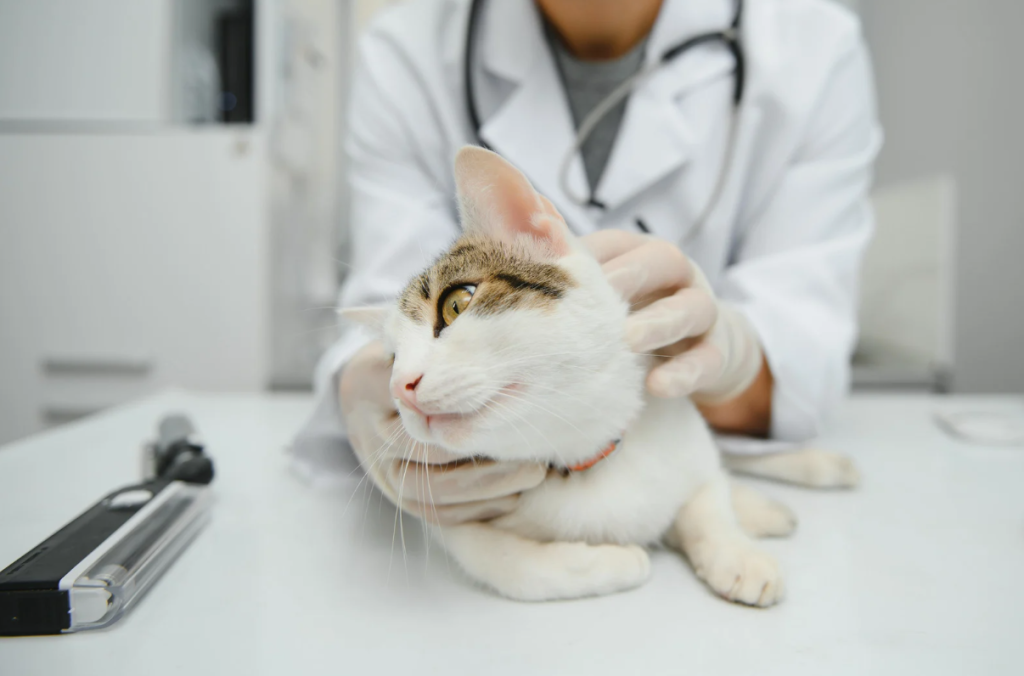

If your cat never steps outside, you might assume annual vet visits aren’t necessary. After all, no cars, no predators, and no neighborhood strays. It feels logical. Yet that sense of safety can be misleading.
Indoor cats live in controlled environments, but they don’t live risk-free lives. In fact, many health issues develop silently in indoor cats. Because cats are masters of disguise, illness often hides until it becomes serious. That’s exactly why indoor cat vet visits matter more than many owners realize.
Think of an annual vet visit like a routine maintenance check on a well-loved car. Everything may seem fine on the surface. Still, unseen problems can quietly build underneath. Regular inspections prevent breakdowns later.
By understanding why indoor cats need yearly checkups, you protect not only their health but also their comfort and longevity.
The Myth of the “Low-Risk” Indoor Cat
Many cat owners believe indoor living eliminates the need for frequent veterinary care. While indoor cats avoid some dangers, they face a different set of risks.
For example, obesity affects indoor cats at higher rates. Limited space and predictable routines often reduce physical activity. Over time, extra weight strains joints, organs, and the heart. Unfortunately, weight gain happens gradually, so it’s easy to miss.
Additionally, dental disease thrives quietly. Plaque builds without obvious pain signals. By the time a cat stops eating, damage is already severe.
Indoor cat vet visits help identify these silent issues early. A veterinarian sees subtle changes you may overlook at home.
So while indoor life reduces external threats, it does not eliminate internal ones.
Cats Hide Illness Better Than Any Other Pet
Cats evolved to conceal weakness. In the wild, showing illness made them vulnerable. That instinct remains strong, even on your couch.
Your cat may still eat, groom, and nap while dealing with discomfort. Changes appear slowly. A slight limp. Less jumping. Extra sleeping. These signs are easy to dismiss.
During indoor cat vet visits, trained professionals assess behavior, posture, weight, and physical responses. Bloodwork often reveals issues long before symptoms appear.
Because cats age faster than humans, one year equals several human years. Skipping annual visits means missing critical windows for early detection.
Early care saves lives. It also saves money and stress later.
Annual Exams Catch Chronic Conditions Early
Chronic conditions rarely appear overnight. They develop quietly, especially in indoor cats.
Kidney disease is a prime example. It affects many cats as they age. Early stages show no obvious symptoms. However, blood and urine tests during annual vet visits reveal changes long before decline becomes visible.
Diabetes, thyroid disorders, and heart disease follow similar patterns. Without routine exams, these conditions go unnoticed until complications arise.
Indoor cat vet visits provide baseline health data. That information helps vets track trends over time. When something shifts, they notice immediately.
Early intervention improves quality of life. It also extends lifespan significantly.
Vaccinations Still Matter for Indoor Cats
Some owners assume vaccines are unnecessary for indoor cats. Yet indoor-only doesn’t mean zero exposure.
Viruses can enter your home on shoes, clothing, or visiting pets. Open windows and balconies pose risks too. Even brief escapes happen.
Core vaccinations protect against serious diseases that spread easily. Rabies, in particular, remains legally required in many areas, regardless of lifestyle.
During indoor cat vet visits, veterinarians tailor vaccine schedules. They assess risk factors instead of applying a one-size approach.
Protection remains essential, even behind closed doors.
Dental Health Often Gets Overlooked
Dental disease affects most cats by age three. Unfortunately, it often goes unnoticed at home.
Bad breath seems minor. Slight drooling doesn’t raise alarms. Yet beneath the gumline, inflammation and infection spread.
Left untreated, dental disease causes pain and tooth loss. It also allows bacteria to enter the bloodstream. Organs like the heart and kidneys suffer as a result.
During indoor cat vet visits, dental exams reveal early warning signs. Vets recommend cleanings or home care adjustments when needed.
Healthy teeth support overall health. Comfort matters too.
Weight Management Needs Professional Insight
Indoor cats burn fewer calories than outdoor cats. That reality increases obesity risk significantly.
You might not notice gradual weight gain. Cats fluff hides changes well. However, extra pounds strain joints and reduce mobility.
Obesity also increases the risk of diabetes, arthritis, and liver disease. These conditions shorten lifespan and reduce daily comfort.
Veterinarians assess body condition accurately. During indoor cat vet visits, they provide tailored feeding and activity guidance.
Small changes make big differences over time.
Behavioral Changes Signal Health Issues
Behavioral shifts often reflect underlying medical problems. Yet they’re commonly mistaken for attitude changes.
For instance, litter box avoidance may signal urinary tract issues. Increased vocalization may indicate thyroid problems. Aggression can stem from pain.
During annual visits, vets ask targeted questions. They connect behavior with physical findings. This holistic approach leads to accurate diagnoses.
Indoor cat vet visits bridge the gap between behavior and biology.
Parasites Can Still Affect Indoor Cats
Parasites aren’t exclusive to outdoor cats. Fleas, mites, and intestinal worms still find their way inside.
Fleas hitch rides on clothing. Mice bring parasites indoors. Even contaminated food or water poses risk.
Routine fecal exams and preventive treatments protect your cat. During indoor cat vet visits, veterinarians assess parasite exposure realistically.
Prevention remains easier than treatment.
Senior Cats Need Even Closer Monitoring
As cats age, health risks increase. Senior cats benefit the most from regular veterinary care.
Arthritis, cognitive decline, and organ dysfunction become more common. Early signs appear subtle. Reduced jumping. Increased confusion. Longer naps.
Veterinary exams identify age-related changes early. Adjustments to diet, supplements, and environment improve comfort.
For senior cats, indoor cat vet visits may increase to twice yearly. That frequency supports graceful aging.
Establishing a Health History Matters
One isolated vet visit offers limited insight. Consistent annual visits create a health timeline.
That record allows veterinarians to detect deviations quickly. Weight trends, blood values, and behavioral notes build context.
When emergencies occur, history guides faster decisions. Treatment becomes more precise.
Indoor cat vet visits build a partnership focused on long-term wellness.
Peace of Mind for You and Comfort for Your Cat
Routine care benefits more than physical health. It offers reassurance.
Knowing your cat is healthy reduces anxiety. Addressing small issues prevents big ones. Preventive care strengthens trust between you and your veterinarian.
Cats thrive when discomfort is minimized. A healthy cat enjoys life more fully.
Annual visits support that outcome.
Conclusion
Indoor cats live protected lives, but protection doesn’t equal immunity. Hidden health risks exist behind closed doors. That’s why indoor cat vet visits remain essential every year.
From early disease detection to weight management and dental care, annual checkups safeguard comfort and longevity. They turn reactive care into proactive wellness.
Your cat relies on you to notice what they hide. Regular vet visits ensure nothing important goes unseen.
FAQ
1. Do indoor cats really need annual vet visits?
Yes, indoor cats still face health risks that develop silently and require professional monitoring.
2. Are vaccines necessary for indoor-only cats?
Core vaccines remain important because diseases can enter homes through indirect exposure.
3. How often should senior indoor cats see the vet?
Most senior cats benefit from vet visits every six months for closer monitoring.
4. Can behavioral changes signal health problems?
Yes, changes in behavior often reflect underlying medical issues rather than personality shifts.
5. What happens during a routine indoor cat vet visit?
The visit typically includes a physical exam, weight check, dental evaluation, and preventive care discussion.