
Keeping an indoor cat happy and stimulated takes more than food and a cozy bed. While indoor life is safe and predictable, it can also become monotonous if your cat doesn’t have enough excitement, variety, or challenge. Let’s explore how you can bring out your cat’s natural curiosity and zest for life—right inside your home.
Understanding Your Cat’s Natural Instincts
Cats are hunters by nature, even if they never step outside. They’re wired to stalk, chase, and pounce. Without proper stimulation, an indoor cat can become bored, anxious, or even overweight. Understanding what drives your cat helps you create an environment that satisfies those primal instincts.
Indoor cat happiness often depends on three key elements: movement, exploration, and social interaction. Each of these can be nurtured through thoughtful routines and play. By replicating aspects of the outdoors safely, you can keep your cat’s body and mind active.
Create a Play Routine They’ll Love
Playtime is at the heart of indoor cat happiness. Regular play keeps your cat’s reflexes sharp, burns off energy, and strengthens your bond.
Use Interactive Toys
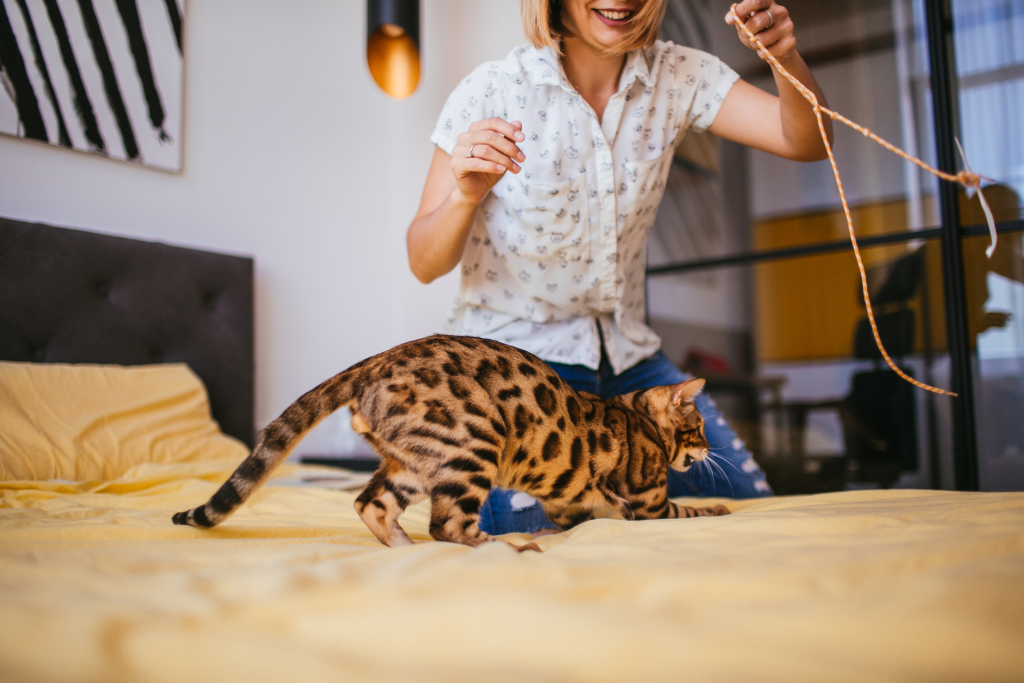
Feather wands, laser pointers, and battery-powered mice mimic prey and spark your cat’s inner hunter. Aim for at least two short play sessions daily. End each session by letting your cat “catch” the toy to provide closure and satisfaction.
Rotate Toys Frequently
Cats can get bored quickly if they see the same toy every day. Keep a basket of toys and rotate them weekly. This keeps playtime fresh and unpredictable, much like the ever-changing outdoors.
Design an Engaging Indoor Environment
Your cat’s environment shapes their mood. A stimulating home setup boosts indoor cat happiness by offering variety and challenge.
Add Vertical Space
Cats love to climb and observe their surroundings from above. Install cat trees, window perches, or wall-mounted shelves. These spaces give them a sense of control and adventure.
Offer Hiding Spots and Cozy Corners
Just like outdoor cats have favorite hiding spots, your indoor cat craves privacy. Create safe spaces under furniture or add small cat tents where they can retreat and recharge.
Incorporate Scratching Posts
Scratching is more than a habit—it’s instinctual. Place scratching posts around your home, especially near resting areas. This helps your cat stretch, mark territory, and keep their claws healthy.
Keep Their Mind Sharp
Mental stimulation is just as important as physical activity for indoor cat happiness. Without enough cognitive challenge, cats can develop behavioral issues or seem listless.
Try Food Puzzles and Slow Feeders
Instead of serving food in a bowl, use puzzle feeders or treat-dispensing toys. These tools encourage problem-solving and mimic the thrill of hunting for food.
Teach Simple Tricks
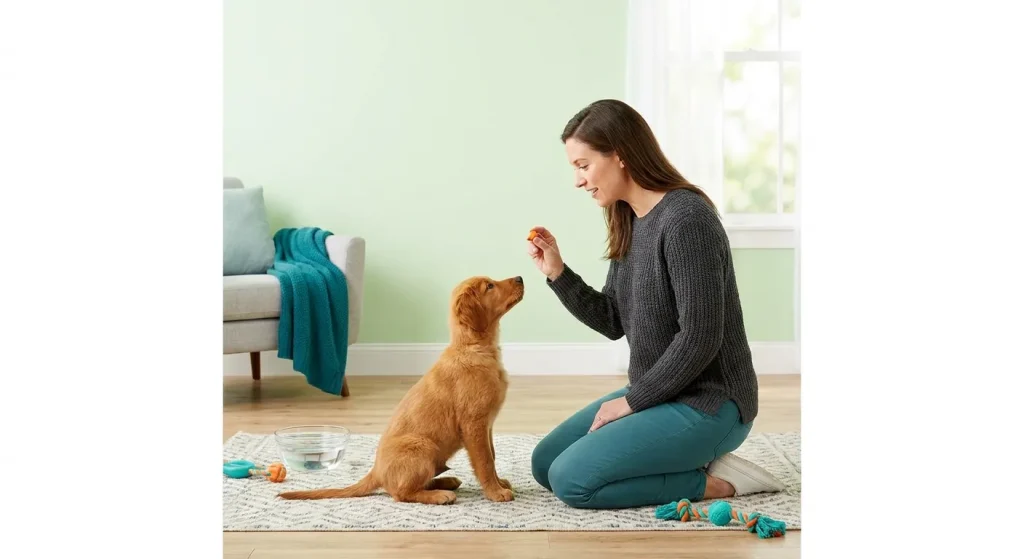
Yes, cats can learn tricks! Use positive reinforcement with treats and gentle commands. Start with “sit” or “high-five.” It’s a great way to engage your cat’s brain and build trust.
Provide Visual Entertainment
Set up a bird feeder outside a window or play cat-friendly videos featuring fish and birds. The movement and sounds will keep your cat fascinated for hours.
Encourage Exploration and Adventure
Even without stepping outdoors, your cat can still enjoy new experiences. Variety is a cornerstone of indoor cat happiness.
Create a Cat-Safe Outdoor Experience
If possible, let your cat explore a secure balcony, patio, or enclosed “catio.” The fresh air and sights add excitement to their routine. Always supervise or use a harness if your cat goes outside.
Introduce New Scents and Textures
Bring in safe, natural scents like catnip, silvervine, or fresh herbs such as mint. Change up blankets and toys occasionally to give your cat new sensory experiences.
Rotate Furniture or Spaces
Rearrange furniture occasionally or introduce new resting spots. Cats are naturally curious, and small changes can make the environment feel new again.
Balance Routine and Surprise
Cats thrive on routine but also love surprise. Finding that balance ensures your cat feels both secure and engaged.
Keep feeding and play times consistent to provide structure. However, sprinkle in unexpected treats or new activities. Try hiding treats around the house or introducing a new toy without warning. Little surprises keep boredom at bay and boost indoor cat happiness.
Strengthen Your Bond Through Interaction
Your relationship plays a major role in your cat’s well-being. Attention and affection go a long way toward keeping your indoor cat content.
Use Gentle Communication
Talk softly, blink slowly, and let your cat approach you on their terms. Cats appreciate calm and respectful interactions.
Groom Regularly
Brushing your cat helps reduce shedding and mats, but it also builds trust. Many cats find grooming soothing—it’s a form of affection that deepens your bond.
Respect Alone Time
While companionship is vital, cats also value independence. Recognize when your cat wants space and avoid forcing interaction. This mutual respect helps maintain harmony and emotional balance.
Monitor Their Health and Mood
Indoor cats can hide discomfort or illness. Watch for changes in behavior, eating, or litter box habits. Regular veterinary check-ups ensure your cat stays healthy, which directly supports indoor cat happiness.
Also, note signs of stress—like excessive grooming, hiding, or aggression. If your cat seems withdrawn or restless, it may be time to introduce new enrichment activities or consult your vet for advice.
Conclusion
Indoor cat happiness doesn’t happen by accident—it’s built through love, play, and thoughtful design. When you understand your cat’s instincts and provide outlets for their curiosity, the result is a joyful, confident feline. With a few creative adjustments, your home can become a playground, sanctuary, and adventure zone all in one. Keep things fresh, interactive, and full of affection—and you’ll have a purring companion for years to come.
FAQ
1. How often should I play with my indoor cat?
Aim for two 10–15 minute play sessions daily. Short, regular bursts mimic natural hunting patterns and keep your cat active.
2. What are the best toys for indoor cats?
Feather wands, laser pointers, crinkle balls, and treat puzzles work well. Rotate them weekly to maintain excitement.
3. Can indoor cats get bored?
Yes. Without stimulation, they can become bored or anxious. Providing toys, climbing areas, and playtime helps prevent this.
4. How can I tell if my cat is happy indoors?
A happy cat eats well, plays often, sleeps comfortably, and shows affection. Relaxed body language and purring are also good signs.
5. Is it okay to let my indoor cat outside sometimes?
Yes, but only under supervision. Use a leash or catio to ensure safety while giving them fresh air and new experiences.