
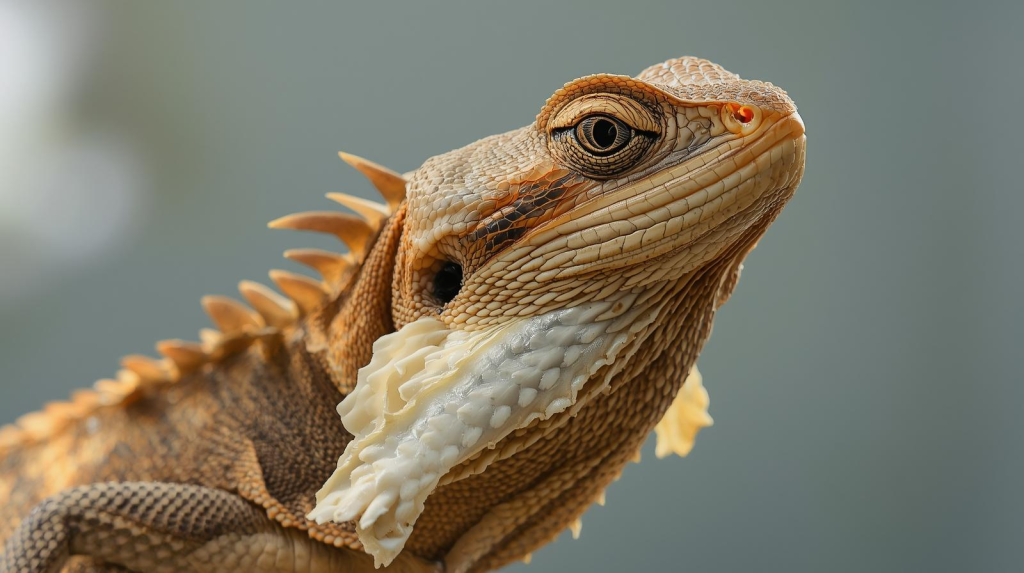

Shedding is a natural and essential process for reptiles. As reptiles grow, they replace old skin with new layers that support healthy development. However, shedding does not always occur smoothly in captivity. Environmental conditions, nutrition, and hydration all influence the shedding cycle. Because of these factors, maintaining healthy reptile shedding becomes an important responsibility for reptile owners.
In the wild, reptiles shed naturally due to stable humidity, proper sunlight exposure, and diverse diets. Captive environments sometimes lack these natural conditions. As a result, shedding problems may occur.
Incomplete sheds can cause skin irritation, infections, and restricted movement. Fortunately, most shedding problems are preventable with proper care.
By understanding the shedding process and supporting the correct habitat conditions, owners can help reptiles shed comfortably and safely.
Consistent care ensures reptiles remain healthy, active, and free from skin complications.
Understanding the Reptile Shedding Process
Reptiles shed their skin as part of normal growth and skin renewal. Unlike mammals, reptiles do not grow continuously through expanding skin. Instead, they periodically replace outer skin layers.
The process that supports healthy reptile shedding involves several biological stages.
First, a new skin layer forms beneath the old one. During this phase, reptiles may appear dull or cloudy in color. Some species also develop cloudy eyes temporarily.
Next, fluids build between the old and new skin layers. This helps separate the old skin so it can peel away easily.
Finally, the reptile removes the outer skin layer through rubbing or natural movement.
Depending on the species, shedding may occur in patches or as a single piece.
Understanding this cycle helps owners recognize normal shedding behavior.
Why Proper Shedding Matters for Reptile Health
Shedding plays an essential role in maintaining skin health and body growth. When reptiles experience healthy reptile shedding, old skin removes bacteria, parasites, and debris.
Fresh skin layers help reptiles maintain flexibility and protection from environmental hazards.
However, poor shedding may cause retained skin, especially around toes, tails, or eyes.
Retained skin can restrict blood circulation and lead to infections.
Additionally, shedding problems may indicate underlying health issues such as dehydration or improper humidity.
Monitoring shedding patterns helps owners detect potential problems early.
Healthy shedding cycles support overall reptile wellness and comfort.
Maintaining Proper Humidity Levels
Humidity is one of the most important factors supporting healthy reptile shedding. Many reptiles require specific humidity levels to loosen old skin properly.
Low humidity often causes dry, stubborn sheds that cling to the body.
Each reptile species has unique humidity requirements. Tropical reptiles usually require higher humidity than desert species.
Using a hygrometer helps monitor enclosure humidity accurately.
Misting the enclosure lightly may help increase humidity when necessary.
Additionally, providing moist hides allows reptiles to regulate their own humidity exposure.
Balanced humidity conditions help reptiles shed naturally and comfortably.
Providing a Proper Shedding Environment
Habitat design plays a crucial role in supporting healthy reptile shedding. Reptiles often rub against surfaces to help loosen old skin.
Providing rough surfaces inside the enclosure encourages natural shedding behavior.
Helpful enclosure elements include:
• Branches
• Rocks
• Bark pieces
• Textured hides
These objects allow reptiles to rub gently and remove shedding skin.
However, surfaces should not be sharp or abrasive.
Safe textures help reptiles shed without injury.
Enclosures designed for natural movement help reptiles complete shedding cycles successfully.
Proper environmental enrichment supports both physical and behavioral health.
Hydration and Its Role in Skin Health
Hydration strongly influences healthy reptile shedding. Dehydrated reptiles often struggle to remove old skin layers.
Adequate water intake supports skin elasticity and proper shedding.
Providing fresh water daily helps reptiles maintain hydration.
Some species also benefit from occasional soaking opportunities.
Shallow soaking dishes allow reptiles to hydrate while softening skin.
Certain reptiles absorb moisture through their skin or cloaca.
Maintaining hydration also supports digestion and overall body function.
Well-hydrated reptiles shed more easily and remain healthier overall.
Nutrition That Supports Skin Renewal
Diet also contributes to healthy reptile shedding. Balanced nutrition helps reptiles maintain strong skin and healthy tissue growth.
Essential nutrients support the development of new skin layers.
Important nutrients include:
• Vitamin A
• Omega fatty acids
• High-quality proteins
• Proper mineral balance
Vitamin A supports skin health and prevents shedding difficulties.
Feeding reptiles appropriate diets based on their species ensures proper nutrient intake.
Variety in food sources helps prevent nutritional deficiencies.
Balanced diets support both growth and successful shedding cycles.
Healthy nutrition strengthens the entire shedding process.
Recognizing Signs of Shedding Problems
Even with proper care, shedding issues may occasionally occur. Recognizing early warning signs helps owners correct problems quickly.
Disruptions in healthy reptile shedding may include:
• Retained skin patches
• Skin around toes not shedding
• Dry or flaky skin
• Cloudy eyes that persist too long
These symptoms may indicate insufficient humidity or dehydration.
Sometimes nutritional deficiencies may also contribute.
Owners should monitor reptiles closely during shedding periods.
Early intervention helps prevent complications.
Providing proper environmental adjustments usually resolves minor shedding issues.
Helping Reptiles During Difficult Sheds
If shedding problems appear, gentle assistance may help restore healthy reptile shedding.
However, owners should never forcefully remove skin.
Instead, increasing humidity often softens retained skin naturally.
Placing the reptile in a warm, humid enclosure for short periods may help.
Providing damp hides also supports easier shedding.
In some cases, lukewarm water soaks may loosen stubborn skin.
Soft cloths or gentle rubbing may assist with removal after soaking.
Severe cases may require veterinary care.
Careful handling ensures reptiles remain stress-free during shedding assistance.
Species Differences in Shedding Patterns
Different reptiles shed in different ways. Understanding species-specific behavior helps owners maintain healthy reptile shedding.
Snakes often shed their skin in one complete piece.
Lizards typically shed in small patches over several days.
Geckos sometimes eat their shed skin as part of natural behavior.
Turtles and tortoises shed scutes or thin skin layers rather than large patches.
Each species has unique environmental requirements that influence shedding success.
Learning these differences helps owners recognize normal shedding patterns.
Species knowledge ensures proper care throughout the shedding cycle.
Preventing Shedding Problems Through Routine Care
Consistent care routines play a major role in maintaining healthy reptile shedding. Prevention remains easier than treating shedding complications.
Routine practices include:
• Maintaining proper humidity
• Providing hydration sources
• Feeding balanced diets
• Cleaning enclosures regularly
• Monitoring reptile behavior
Stable environments support natural biological processes.
Healthy reptiles typically shed without assistance.
Regular observation also helps detect health issues early.
Preventative care supports long-term reptile well-being.
Healthy reptiles experience smoother shedding cycles throughout their lives.
Conclusion
Supporting healthy reptile shedding is essential for maintaining skin health, comfort, and overall reptile well-being. Shedding allows reptiles to grow, remove parasites, and maintain healthy skin layers.
Proper humidity, hydration, and nutrition play key roles in successful shedding. Additionally, habitat design that includes textured surfaces helps reptiles remove old skin naturally.
Owners who monitor their reptiles during shedding periods can quickly identify potential issues.
Simple adjustments to humidity or hydration often resolve shedding difficulties.
By creating stable environments and following proper care practices, reptile owners help their pets shed safely and comfortably.
Healthy shedding cycles reflect proper husbandry and contribute to long-term reptile health.
FAQ
1. How often do reptiles shed their skin?
Shedding frequency varies by species, age, and growth rate. Young reptiles usually shed more often than adults.
2. Why do reptile eyes turn cloudy before shedding?
Cloudy eyes appear when fluid builds between skin layers during the shedding process.
3. What causes incomplete sheds in reptiles?
Low humidity, dehydration, and poor nutrition often lead to incomplete shedding.
4. Should owners remove stuck shed skin manually?
Owners should avoid pulling skin directly. Increasing humidity usually allows the skin to loosen naturally.
5. Do all reptiles shed their skin the same way?
No. Snakes usually shed in one piece, while many lizards shed in smaller patches.