
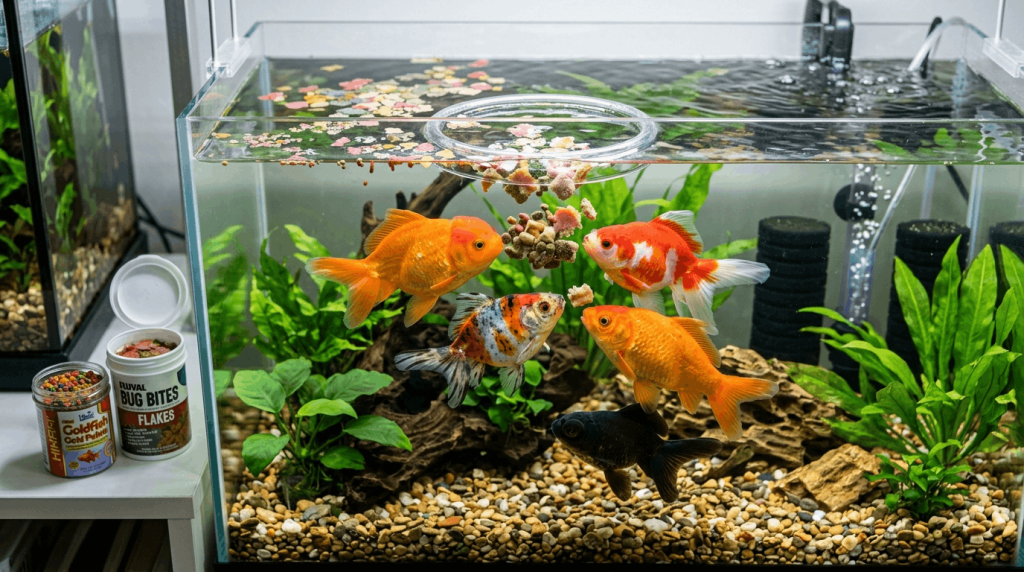

Many fish owners assume goldfish can survive on simple flakes alone, but nutrition plays a much larger role in long-term health than most people realize. A healthy goldfish diet supports proper digestion, stronger immunity, brighter coloration, and a significantly longer lifespan. While goldfish are often viewed as low-maintenance pets, poor feeding habits can quietly shorten their lives and create avoidable health problems.
Goldfish naturally spend much of their time searching for food in ponds and slow-moving water. In the wild, they eat a varied mix of plant matter, insects, algae, and tiny aquatic organisms. However, many aquarium diets lack this balance. Feeding the same low-quality food every day may lead to nutritional deficiencies, digestive trouble, and poor water quality.
Healthy nutrition does more than prevent hunger. It fuels growth, supports organ function, and helps goldfish remain active throughout life. In addition, balanced feeding habits reduce stress on the digestive system and improve the overall aquarium environment. Since goldfish can live for well over a decade with proper care, understanding nutrition becomes one of the most important responsibilities for any owner.
Why Nutrition Matters for Goldfish Health
Many common goldfish health issues begin with poor nutrition. Digestive problems, swim bladder disorders, sluggish behavior, and weakened immunity often connect directly to feeding habits. Because goldfish constantly produce waste, improper feeding also affects water quality quickly.
A healthy goldfish diet helps maintain stable digestion and supports healthy metabolism. Goldfish do not have stomachs like many other animals. Instead, food moves through their digestive tract continuously. Because of this, overeating and hard-to-digest foods may create bloating and internal pressure.
Nutritional quality also affects immunity. Fish that receive balanced nutrients often resist infections and environmental stress more effectively. On the other hand, poorly nourished fish may become vulnerable to parasites, fungal infections, and bacterial disease.
Color and appearance improve with proper feeding as well. Nutritious foods containing natural pigments and vitamins often help goldfish maintain vibrant orange, red, white, and black coloration. Dull scales and faded colors sometimes indicate nutritional imbalance or stress.
Good nutrition also influences lifespan directly. While many people believe goldfish only live a few years, healthy fish can survive much longer in proper conditions. Consistent feeding routines, quality food, and controlled portions all contribute to better long-term wellness.
Choosing the Right Type of Food
Selecting proper food forms the foundation of responsible goldfish care. Unfortunately, many cheap commercial foods contain fillers and low-quality ingredients that offer limited nutritional value.
A healthy goldfish diet should include balanced protein, fiber, vitamins, and plant-based ingredients. High-quality pellets often work better than flakes because pellets usually contain more concentrated nutrition and create less waste in the tank.
Sinking pellets are especially useful for fancy goldfish varieties. Floating foods may cause some fish to swallow excess air while eating, which can contribute to buoyancy problems and digestive discomfort. Sinking foods encourage more natural feeding behavior and reduce this risk.
Ingredient quality matters greatly. Foods containing fish meal, shrimp, spirulina, wheat germ, and vegetables generally provide better nutritional balance than heavily processed fillers. Protein should support growth and energy, but excessive protein may create digestive strain in slower-moving fancy breeds.
A healthy goldfish diet also benefits from occasional variety. Freeze-dried foods, gel foods, and fresh vegetables can provide enrichment while improving nutritional diversity. However, sudden food changes should happen gradually to avoid digestive upset.
Owners should avoid overreliance on treats as well. While goldfish enjoy high-protein snacks like bloodworms, excessive treats may disrupt digestive balance and increase waste production.
The Importance of Portion Control
Overfeeding remains one of the most common mistakes among goldfish owners. Many fish appear hungry constantly because goldfish naturally forage throughout the day. However, frequent feeding without portion control can quickly lead to obesity and poor water conditions.
A healthy goldfish diet includes proper feeding amounts along with balanced ingredients. Most goldfish do well with two small meals daily rather than large portions. As a general guideline, fish should consume food within two minutes.
Excess food often sinks and decomposes inside the aquarium. This waste increases ammonia levels and places stress on the filtration system. Poor water quality then weakens fish health and raises disease risk significantly.
Digestive problems also become more common when goldfish eat too much too quickly. Bloating, constipation, and swim bladder issues frequently result from excessive feeding. Fancy goldfish varieties face even higher risks because of their rounded body shape and compressed organs.
Fasting days can benefit digestion occasionally. Some owners skip feeding once weekly to help clear the digestive tract and reduce bloating risk. While healthy adult goldfish tolerate short fasting periods well, young fish still require consistent nutrition for growth.
Monitoring body shape helps prevent feeding problems. Healthy goldfish should appear rounded but not swollen. Sudden weight changes, floating issues, or unusual waste may indicate dietary imbalance or overfeeding.
Fresh Foods That Support Better Health
Commercial foods provide convenience, but fresh ingredients can improve overall nutrition when offered correctly. Goldfish naturally consume plant material regularly, so vegetables often support digestive health effectively.
A healthy goldfish diet commonly includes vegetables like peas, spinach, zucchini, cucumber, and lettuce. Blanched peas are especially popular because they may help relieve mild constipation and digestive blockage.
Leafy greens provide fiber and nutrients while encouraging natural grazing behavior. In addition, vegetables create mental enrichment and variety for aquarium fish that might otherwise receive repetitive meals.
Protein-rich treats can also support balanced nutrition when used moderately. Brine shrimp, daphnia, and bloodworms offer protein and stimulation that many goldfish enjoy. However, these foods should supplement the main diet rather than replace it entirely.
Fruit should remain limited because excessive sugar may affect digestion and water quality. Small pieces of orange or watermelon may occasionally work as treats, but moderation remains important.
Fresh foods should always be removed promptly if uneaten. Decaying vegetables and protein sources can pollute aquarium water quickly, especially in smaller tanks.
Common Feeding Mistakes to Avoid
Many goldfish health problems develop because of simple feeding errors that owners do not recognize initially. Understanding these mistakes can help prevent long-term complications.
One major issue involves feeding low-quality flakes exclusively. Cheap foods often contain excessive fillers that provide little nutritional value while increasing waste production. Over time, nutritional deficiencies may weaken immunity and reduce lifespan.
A healthy goldfish diet should never rely entirely on one food source. Variety supports more balanced nutrition and helps prevent deficiencies from developing gradually.
Feeding too frequently creates another common problem. Some owners offer food whenever fish appear active or approach the glass. Unfortunately, goldfish naturally associate people with feeding and may beg constantly regardless of hunger.
Ignoring water quality also causes complications. Even healthy foods create waste, so poor filtration and infrequent water changes may harm fish despite proper feeding.
Large food particles can create swallowing difficulties as well. Smaller pellets or softened foods usually work better for fancy goldfish and younger fish.
Sudden dietary changes sometimes trigger digestive upset. Gradually introducing new foods allows the digestive system to adjust more comfortably while reducing stress.
How Diet Affects Water Quality
Nutrition influences the aquarium environment almost as much as it affects the fish directly. Goldfish produce substantial waste naturally, so poor feeding habits can quickly destabilize water conditions.
A healthy goldfish diet supports cleaner water because quality foods create less waste. Digestible ingredients reduce excess feces and lower ammonia production inside the tank.
Overfeeding creates the largest water quality problems. Uneaten food decomposes rapidly and contributes to ammonia spikes that stress fish and damage gill function. In severe cases, toxic water conditions can become fatal surprisingly fast.
Cloudy water often signals feeding imbalance. Excess nutrients encourage algae growth and bacterial buildup that reduce oxygen quality over time.
Filtration helps manage waste, but diet still plays a major role. Even strong filters struggle when fish receive excessive food or low-quality meals daily.
Regular water testing helps identify problems early. High nitrate levels, foul odors, and murky water may indicate excessive feeding or poor nutritional quality. By improving feeding habits, owners often notice cleaner water and healthier fish simultaneously.
Special Dietary Needs for Different Goldfish Types
Not all goldfish varieties share identical nutritional needs. Body shape, activity level, and swimming ability can all influence feeding strategies.
Slim-bodied common goldfish and comet goldfish usually swim actively and tolerate a wider range of foods comfortably. These fish often burn energy quickly and benefit from balanced protein and vegetable intake.
A healthy goldfish diet for fancy varieties may require additional attention. Orandas, ranchus, telescope goldfish, and ryukins possess compressed body structures that increase digestive sensitivity. Floating foods and overfeeding often affect these breeds more severely.
Fancy goldfish frequently benefit from sinking pellets and softer foods that reduce air intake during feeding. Smaller meals throughout the day may also improve digestion and reduce swim bladder stress.
Young goldfish require more frequent feeding because growth demands additional nutrients and energy. However, portion control still remains important to avoid digestive overload.
Older fish sometimes become less active and may require reduced feeding amounts. Aging goldfish often benefit from easily digestible foods with added fiber and vitamins that support immune health.
Building a Long-Term Feeding Routine
Consistency plays a major role in maintaining healthy aquarium fish. Stable feeding routines help regulate digestion, reduce stress, and improve overall health over time.
A healthy goldfish diet works best when combined with predictable feeding schedules. Fish generally adapt well to regular meal times and controlled portions.
Observation should become part of the routine as well. Appetite changes, unusual swimming behavior, bloating, or floating issues often provide early clues about dietary problems.
Feeding should remain calm and measured. Dumping excessive food into the tank encourages frantic eating and increases waste accumulation. Smaller portions allow fish to eat more comfortably while protecting water quality.
Owners should also adjust feeding based on water temperature. Goldfish digestion slows in cooler water, so heavy feeding during colder periods may create digestive stress.
Seasonal changes matter more for outdoor pond fish. During winter, metabolism slows significantly, and some goldfish may require very limited feeding depending on climate conditions.
Keeping a variety of nutritious foods available can improve long-term balance. Rotating pellets, vegetables, and occasional protein treats creates enrichment while supporting more complete nutrition.
Signs Your Goldfish Diet Needs Improvement
Healthy goldfish typically remain active, alert, and eager to explore their environment. Therefore, behavioral or physical changes often indicate dietary imbalance.
A healthy goldfish diet usually supports steady energy and smooth swimming patterns. Fish that become lethargic or isolate themselves may experience stress related to nutrition or water conditions.
Digestive problems often appear through floating issues, constipation, or abnormal waste. White stringy feces, bloating, or difficulty swimming upright commonly suggest feeding problems.
Color fading may also signal nutritional deficiencies. While genetics influence coloration naturally, dull scales and loss of brightness sometimes reflect poor diet quality.
Frequent illness presents another warning sign. Fish with weak immunity often struggle to recover from stress, minor injuries, or infections.
Rapid algae growth and dirty water may indicate overfeeding as well. Improving food quality and portion control often leads to noticeable improvements in both fish health and aquarium cleanliness.
Conclusion
Proper nutrition remains one of the most important factors in goldfish care. A healthy goldfish diet supports digestion, improves immunity, enhances coloration, and helps fish live significantly longer lives. While many owners focus only on feeding convenience, thoughtful nutrition creates healthier fish and more stable aquariums over time.
Balanced meals, controlled portions, fresh vegetables, and high-quality pellets all contribute to stronger long-term wellness. In addition, good feeding habits reduce stress on the digestive system while helping maintain cleaner water conditions.
Goldfish may appear simple to care for, yet their health depends heavily on consistent nutrition and proper management. By understanding dietary needs and avoiding common feeding mistakes, owners can help their fish remain active, vibrant, and healthy for many years.
FAQ
1. How often should goldfish be fed each day?
Most goldfish do well with two small meals daily that they can finish within a couple of minutes.
2. Are vegetables good for aquarium goldfish?
Yes, vegetables like peas, spinach, and zucchini provide fiber and support healthy digestion when prepared properly.
3. Why do goldfish develop swim bladder problems?
Overfeeding, constipation, poor-quality food, and swallowing excess air commonly contribute to buoyancy issues.
4. Can goldfish survive on flakes alone?
Goldfish may survive on flakes, but varied nutrition usually supports better health, color, and lifespan.
5. Which foods should goldfish avoid?
Goldfish should avoid processed human foods, excessive bread, oily foods, and large amounts of sugary treats.