
When your dog panics every time you leave, it’s heartbreaking. The whining, scratching, or destructive behavior isn’t rebellion—it’s fear. The good news? You can fix dog separation anxiety gently. With patience, understanding, and the right approach, your dog can feel safe and calm when you’re not around.
Let’s explore how to ease your dog’s anxiety without harsh training methods.
Understanding Dog Separation Anxiety
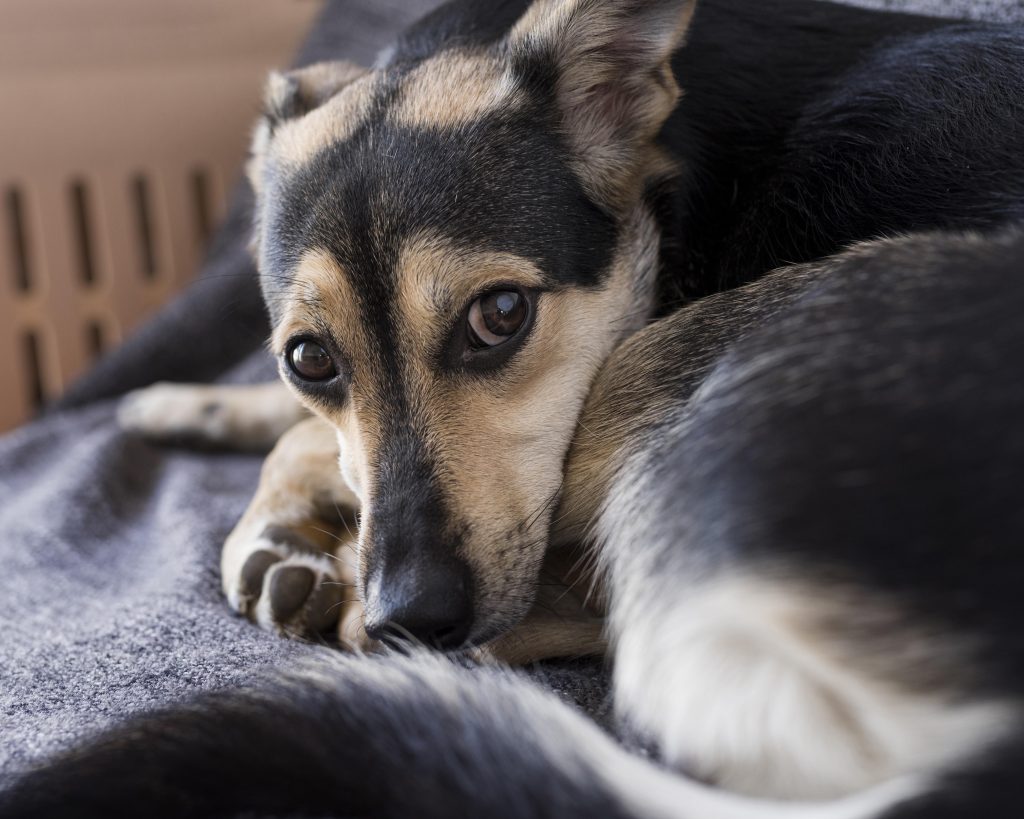
Separation anxiety is a stress response. Dogs are social animals that form deep emotional bonds with their owners. When left alone, some dogs experience intense distress that shows through destructive behavior, excessive barking, or accidents indoors.
Imagine a child suddenly left alone in a strange place. That’s how your dog feels—confused, scared, and desperate for your return. Recognizing this emotional root is the first step toward healing.
Common Signs of Separation Anxiety
- Continuous barking or whining after you leave
- Pacing or drooling excessively
- Chewing furniture or scratching doors
- Attempting to escape confinement
- Accidents despite being house-trained
These aren’t acts of defiance—they’re cries for help. Once you understand that, you can respond with empathy instead of punishment.
Why Harsh Training Makes Anxiety Worse
Using harsh correction or punishment might seem like a quick fix, but it only deepens fear. When dogs associate your absence—or even your return—with stress, it reinforces anxiety. Instead of learning calm independence, they feel confusion and mistrust.
Imagine being punished for feeling scared. That’s what happens when dogs are scolded for anxious behavior. Positive, gentle reinforcement is the only lasting path to trust and calm.
Step-by-Step Plan to Fix Dog Separation Anxiety
You can fix dog separation anxiety gradually through consistent, positive experiences. Let’s break it down into manageable steps.
1. Start With Short Departures
Begin by leaving for just a few minutes at a time. Use your usual routine—grab your keys, put on your shoes—but stay calm and casual. Dogs pick up on emotional cues. When you treat departures like no big deal, they’ll start doing the same.
Gradually increase the time away, but always return before your dog becomes visibly anxious. Slow progress builds confidence.
2. Create Positive Associations
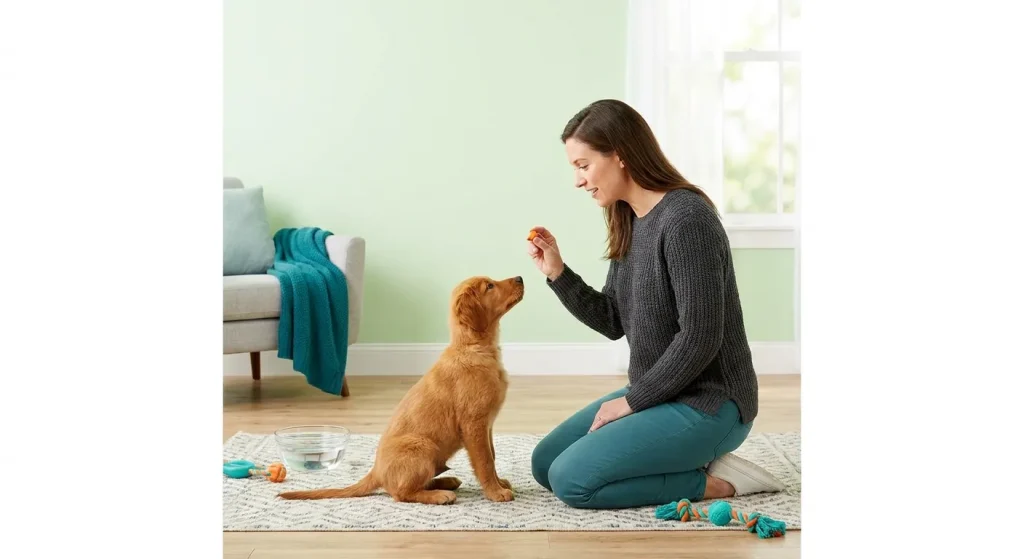
Turn your absence into something enjoyable. Before leaving, give your dog a long-lasting treat, such as a stuffed Kong or chew toy. This redirects focus and creates a new association: you leaving equals something good.
You can also leave soft music or white noise playing. These familiar sounds can help your dog feel less alone.
3. Build a Safe Space
Dogs need a place where they feel secure. This might be a crate (if introduced gently) or a cozy corner with familiar bedding and toys. Avoid confining them too early—first, make the space inviting. A comforting scent like your unwashed T-shirt can help too.
A “den-like” space reassures your dog that they have a safe zone even when you’re not home.
4. Practice Calm Hellos and Goodbyes
Emotional farewells can increase anxiety. Instead, keep arrivals and departures low-key. Avoid long, tearful goodbyes or overexcited greetings. Calm consistency teaches your dog that comings and goings are normal, not emotional events.
This approach helps reduce the spikes of anxiety around your movements.
5. Exercise Before Leaving
A tired dog is a calm dog. Take your dog for a walk or engage in active play before you go. Physical activity releases energy and stress, helping your dog relax once you’re gone.
Just like humans sleep better after exercise, dogs settle more easily when their energy has an outlet.
6. Desensitize Triggers
Dogs quickly link certain cues—like grabbing your bag or jingling keys—to your departure. Practice those cues without actually leaving. For example, pick up your keys, then sit down and relax. Over time, your dog will stop reacting to these triggers.
This technique reduces the emotional build-up before you even walk out the door.
7. Offer Consistency and Routine
Dogs thrive on predictability. A consistent daily routine—feeding times, walks, play—helps them feel secure. The more structure they have, the less they worry about unexpected changes.
Stability gives your dog a sense of control, easing overall stress levels.
Natural Remedies to Support Calm Behavior
Gentle support tools can complement your training efforts. Always consult your vet before starting any supplements, but here are natural options many pet owners find helpful.
Calming Diffusers or Sprays
Products with pheromones mimic the scent mother dogs produce to calm their puppies. They can make your home feel more comforting to an anxious pet.
Natural Supplements
Chamomile, valerian root, or CBD oil designed for dogs can help reduce anxiety without sedation. Always choose high-quality, vet-approved options.
Weighted Blankets or Anxiety Wraps
The gentle pressure from these products can calm your dog much like a hug does for a human. Use them during periods of known stress, such as when you leave or during storms.
Music Therapy
Calming classical music or playlists designed for dogs can help reduce barking and stress when you’re away.
When to Seek Professional Help
If your dog’s separation anxiety is severe—such as self-harming behavior or nonstop distress—consult a professional trainer or veterinary behaviorist. Look for someone who uses positive reinforcement methods, not dominance-based training.
Professional guidance can create a structured plan tailored to your dog’s needs and help you progress safely and effectively.
Building Confidence for Long-Term Calm
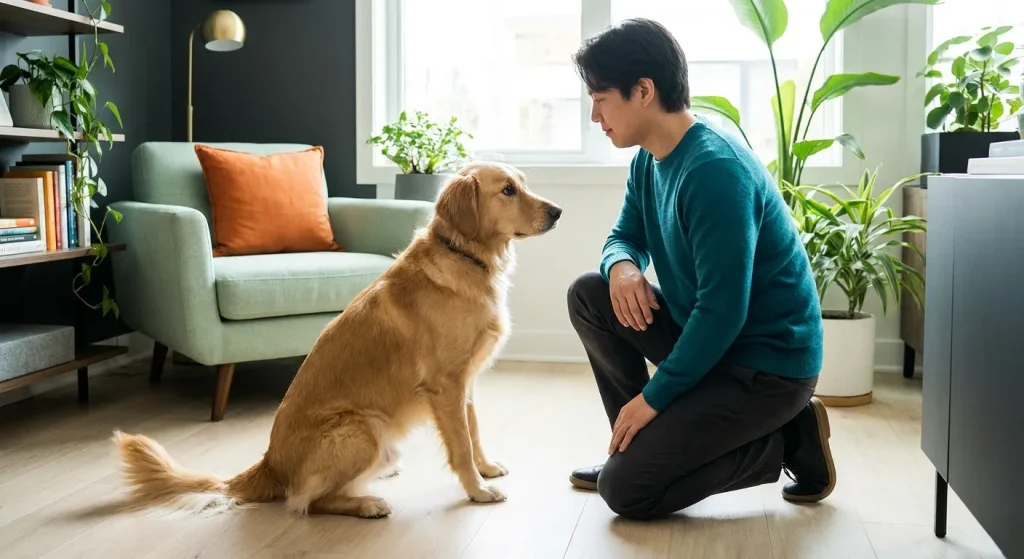
Confidence is the foundation of independence. Encourage small wins: let your dog explore a new area, interact with toys, or spend time in another room. Praise calm behavior generously.
The goal isn’t to force independence—it’s to nurture it. Over time, your dog learns that being alone isn’t scary; it’s just part of normal life.
Conclusion
You can fix dog separation anxiety without harsh training by focusing on trust, patience, and positive reinforcement. Every small step builds confidence and emotional stability. Instead of punishing fear, you’re teaching peace. And when your dog learns that solitude isn’t something to dread, both of you gain freedom—the freedom to live without fear.
Gentle methods don’t just change behavior; they strengthen your bond. That’s the real reward.
FAQ
1. How long does it take to fix dog separation anxiety?
It varies by dog. Some improve within weeks, while others take months. Consistency and patience are key.
2. Can crate training help with separation anxiety?
Yes, but only if introduced positively. The crate should be a safe retreat, not a punishment.
3. Is medication necessary for severe cases?
In some extreme cases, vets may recommend medication alongside training to reduce acute anxiety. It’s usually temporary.
4. Can adopting another dog help reduce anxiety?
Sometimes, but not always. Another dog can provide company, but it won’t solve deep-rooted anxiety without proper training.
5. What should I avoid when dealing with separation anxiety?
Avoid punishment, yelling, or forced isolation. These increase fear and make recovery harder. Use gentle, consistent reassurance instead.