
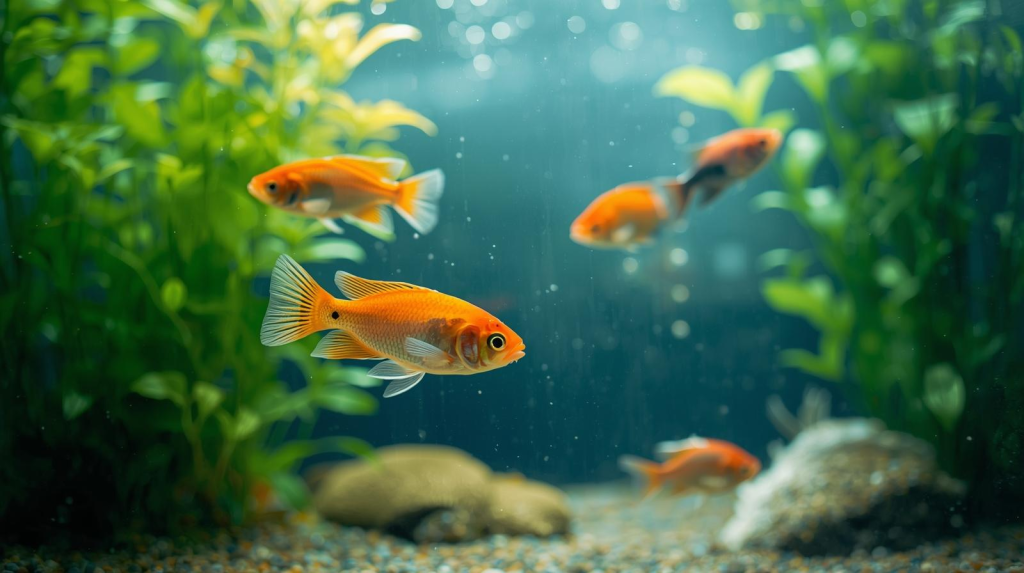

Keeping aquarium fish healthy requires more than simply feeding them. Fish depend on a carefully maintained environment where water quality, cleanliness, and nutrition remain stable. Because aquariums are closed ecosystems, regular maintenance becomes essential. Establishing consistent fish care routines helps protect fish from disease, stress, and poor living conditions.
Unlike animals that live in open environments, aquarium fish cannot escape deteriorating water quality. Waste, leftover food, and algae gradually accumulate inside the tank. Without proper maintenance, harmful toxins may build up and threaten fish health.
Daily observation and weekly maintenance tasks help prevent these problems. Small actions performed consistently keep the aquarium balanced and safe.
When fish owners understand effective care routines, they can maintain a thriving aquatic environment. Healthy tanks allow fish to remain active, colorful, and stress-free.
Why Consistent Aquarium Maintenance Matters
Fish rely entirely on their environment for survival. Even small changes in water conditions can affect their health. For this reason, establishing reliable fish care routines helps maintain stability inside the aquarium.
Water chemistry constantly changes as fish produce waste. Ammonia and other compounds may accumulate quickly in poorly maintained tanks. High toxin levels can damage fish gills and internal organs.
Routine maintenance prevents these issues before they become dangerous.
Consistent care also helps beneficial bacteria remain stable. These bacteria convert harmful waste into safer compounds through the nitrogen cycle.
Healthy bacteria colonies support a balanced aquarium ecosystem.
When aquarium owners maintain regular cleaning and monitoring habits, fish experience less stress and greater overall health.
Daily Observation of Fish Behavior
One of the most important fish care routines involves observing fish behavior each day. Daily observation allows owners to notice early signs of illness or environmental problems.
Healthy fish typically swim actively and respond to feeding times. Their colors should appear vibrant, and their fins should remain open and undamaged.
Signs of potential problems include:
• Lethargic swimming
• Loss of appetite
• Clamped fins
• Unusual spots or discoloration
Recognizing these symptoms early allows owners to respond quickly.
Daily observation also helps identify equipment problems such as malfunctioning filters or heaters.
Taking a few minutes each day to observe fish can prevent many serious health issues.
Proper Daily Feeding Habits
Feeding represents another essential part of fish care routines. Fish should receive appropriate portions that match their species and size.
Overfeeding is one of the most common aquarium mistakes. Excess food sinks to the bottom and decomposes, which pollutes the water.
Most fish benefit from small meals once or twice daily.
Food should be consumed within a few minutes. Any leftover food should be removed to prevent water contamination.
Additionally, offering a varied diet supports better nutrition.
High-quality flakes, pellets, frozen foods, or live foods can provide balanced nutrients.
Proper feeding keeps fish energetic while maintaining clean water conditions.
Checking Aquarium Equipment Daily
Aquarium equipment plays a vital role in maintaining water quality and temperature. Therefore, equipment inspection should be included in daily fish care routines.
Essential equipment includes:
• Filters
• Heaters
• Air pumps
• Lighting systems
Checking these devices each day helps detect problems early.
For example, filters should produce steady water movement. Heaters should maintain stable temperatures appropriate for the species inside the tank.
Sudden temperature drops or equipment failures may stress fish quickly.
Daily equipment checks ensure the aquarium continues operating safely.
Maintaining reliable equipment protects both water quality and fish health.
Monitoring Water Clarity and Surface Conditions
Water clarity provides useful clues about tank health. Cloudy water or unusual odors may indicate poor water conditions.
Because of this, monitoring water appearance becomes an important part of fish care routines.
Healthy aquariums typically contain clear water with minimal debris.
Foam or oily films on the surface may suggest excess organic waste.
These signs often indicate overfeeding or insufficient filtration.
By noticing these changes early, owners can adjust feeding amounts or schedule additional cleaning.
Consistent observation helps maintain stable water quality.
Clean water supports healthy fish and prevents disease outbreaks.
Weekly Partial Water Changes
Partial water changes represent one of the most important weekly fish care routines. Even well-maintained aquariums accumulate nitrates and other waste products.
Replacing 20 to 30 percent of the water helps remove these substances.
Fresh water should always be treated with a dechlorinator before entering the tank.
Chlorine and chloramine found in tap water can harm fish and beneficial bacteria.
Matching water temperature prevents sudden environmental changes.
Weekly water changes maintain stable chemical balance inside the aquarium.
Consistent water replacement helps fish remain healthy and comfortable.
Cleaning Gravel and Removing Debris
Fish waste and uneaten food often settle into aquarium gravel. Over time, this material breaks down and releases toxins.
Therefore, gravel cleaning forms an essential part of weekly fish care routines.
Gravel vacuums allow owners to remove debris while performing water changes.
The siphon pulls waste out without disturbing fish or plants.
However, not all substrate should be cleaned at once.
Beneficial bacteria live within the gravel and help process waste.
Gentle cleaning maintains bacterial balance while removing harmful buildup.
Healthy substrate conditions support overall tank stability.
Managing Algae Growth in the Aquarium
Algae naturally develop in aquariums due to light and nutrients. Small amounts are normal, yet excessive growth may indicate imbalance.
Managing algae becomes an important part of weekly fish care routines.
Cleaning aquarium glass with algae scrapers improves visibility and tank appearance.
Additionally, limiting excessive lighting may reduce algae growth.
Most aquariums benefit from about 8 to 10 hours of light daily.
Overfeeding can also contribute to algae problems.
Maintaining balanced feeding habits helps reduce excess nutrients.
Controlling algae supports a healthier environment for fish and plants.
Inspecting and Maintaining Aquarium Filters
Filters perform several important tasks inside aquariums. They remove debris, circulate water, and support beneficial bacteria.
Because of this, filter care belongs among essential fish care routines.
Filters should be checked weekly to ensure proper water flow.
When filters become clogged, water circulation decreases.
Cleaning filter media with aquarium water helps remove debris while preserving beneficial bacteria.
Using untreated tap water may kill helpful bacteria.
Gentle filter maintenance keeps the aquarium’s biological system stable.
Reliable filtration ensures consistent water quality.
Testing Aquarium Water Parameters
Water testing helps aquarium owners monitor important chemical conditions. Even clean-looking water may contain harmful substances.
Testing therefore plays a key role in effective fish care routines.
Common water parameters include:
• Ammonia
• Nitrite
• Nitrate
• pH levels
Healthy aquariums usually maintain near-zero ammonia and nitrite levels.
Nitrate levels should remain low to prevent fish stress.
Testing once per week helps detect imbalances early.
If abnormal levels appear, water changes can restore stability.
Monitoring water chemistry protects fish from toxic conditions.
Adjusting Care Based on Tank Size and Fish Species
Not all aquariums require identical maintenance routines. Tank size, fish population, and species influence care requirements.
Therefore, fish care routines should be adjusted based on the specific aquarium setup.
Smaller tanks often require more frequent maintenance because waste accumulates faster.
Larger aquariums may remain stable longer due to greater water volume.
Different fish species also produce different amounts of waste.
For example, goldfish generate more waste than many tropical fish.
Understanding species requirements helps determine proper maintenance schedules.
Customized care routines help maintain balanced environments.
Creating a Balanced Routine for Long-Term Success
Developing consistent habits makes aquarium care easier and more effective. Organized schedules ensure no maintenance task gets overlooked.
Establishing regular fish care routines also reduces stress for fish.
Predictable environments help fish remain calm and active.
Daily observation combined with weekly maintenance keeps the tank healthy.
Small actions performed consistently prevent major problems.
Aquarium owners who follow structured care routines often experience fewer health issues among their fish.
Routine care supports both aquarium stability and fish longevity.
Conclusion
Maintaining effective fish care routines is essential for keeping aquarium fish healthy and active. Daily observation, proper feeding, and equipment monitoring help prevent problems before they begin.
Weekly maintenance tasks such as water changes, gravel cleaning, and filter care maintain stable water conditions. These actions remove waste and support beneficial bacteria that maintain water balance.
Aquariums thrive when owners provide consistent care and attention.
By following structured routines, fish owners can maintain clean tanks and healthy aquatic environments.
Healthy fish display vibrant colors, active swimming patterns, and strong appetites.
With proper daily and weekly care, aquariums become stable ecosystems where fish can live comfortably for many years.
FAQ
1. How often should aquarium water be changed?
Most aquariums benefit from partial water changes once each week to maintain stable water chemistry.
2. Can fish be fed multiple times per day?
Yes, but small portions are recommended so that fish consume all food quickly without leaving leftovers.
3. Why is gravel cleaning important in aquariums?
Gravel traps waste and debris that can release harmful toxins if not removed regularly.
4. What signs indicate poor aquarium water quality?
Cloudy water, unusual odors, algae overgrowth, or fish behaving abnormally may signal water problems.
5. How can beginners simplify aquarium maintenance?
Creating consistent schedules for observation, feeding, and cleaning helps maintain healthy aquariums easily.