
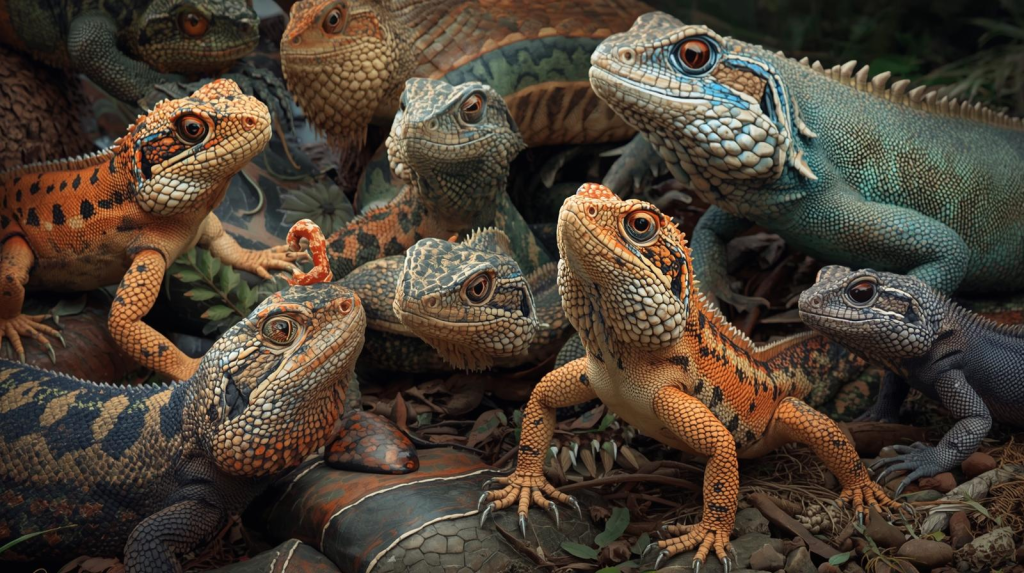

Keeping reptiles healthy isn’t just about temperature and diet — it’s about enrichment. But when your pet is a solitary reptile, enrichment becomes a delicate art. Too much change can cause stress, while too little can lead to boredom and lethargy. Finding that perfect balance is the key to helping your reptile thrive in its environment.
In this guide, we’ll explore practical, low-stress ways to enrich solitary reptiles — from habitat design and feeding strategies to sensory stimulation and behavioral care.
Understanding Solitary Reptiles
Solitary reptiles, unlike social animals, don’t crave company. They live alone in the wild, hunting and resting independently. This means their enrichment must focus on environment and activity rather than companionship.
Species like leopard geckos, bearded dragons, and ball pythons fall into this category. They enjoy solitude but still benefit from mental and physical engagement that mimics their natural instincts.
When enrichment is done right, your reptile stays alert, active, and comfortable in its surroundings. Done wrong, it can cause stress — and stress can lead to illness, appetite loss, or aggression.
So, the goal isn’t constant stimulation — it’s meaningful stimulation.
Why Enrichment Matters for Reptiles
Even though reptiles aren’t as emotionally expressive as mammals, they still need mental engagement. Enrichment promotes:
- Natural behaviors like climbing, burrowing, and exploring.
- Physical health, through movement and activity.
- Reduced stress, by providing familiar yet interesting surroundings.
- Mental stimulation, keeping your reptile curious and alert.
When reptiles can express their natural instincts, they show signs of well-being: steady appetite, active exploration, and relaxed posture. A stagnant environment, on the other hand, can make them lethargic and dull — both in color and behavior.
Creating a Stress-Free Habitat
1. Provide Adequate Space
A confined enclosure limits exploration and causes tension. Make sure your reptile’s habitat allows for movement, hiding, and thermoregulation. A well-sized tank gives them choices — and choice itself is enrichment.
2. Offer Temperature Gradients
Reptiles are ectothermic, meaning they rely on external heat to regulate their body temperature. Provide both a basking zone and a cooler area so your reptile can move freely between comfort levels. That simple movement supports natural thermoregulation and mental balance.
3. Include Naturalistic Decor
Rocks, logs, hides, and climbing branches add both structure and interest. Try to mimic the animal’s native habitat — desert, rainforest, or grassland — so the reptile feels instinctively safe. A realistic environment lowers stress and promotes exploration.
4. Adjust Lighting Carefully
Light impacts circadian rhythm. Use UVB lighting according to the reptile’s species needs, but avoid sudden brightness changes. Gradual transitions from light to dark create a sense of routine and calm.
Interactive Feeding Techniques
Feeding time offers one of the best opportunities for enrichment. Instead of simply dropping food into a bowl, you can turn mealtime into an engaging, natural experience.
1. Use Feeding Challenges
Encourage your reptile to hunt or forage. For example:
- Hide insects under leaves or logs for insectivores.
- Offer live prey in a controlled space for snakes.
- Scatter food pieces in different areas to encourage movement.
This engages their hunting instincts and prevents boredom.
2. Rotate Diet Presentation
Changing how food is offered — from tongs to feeding dishes to free-roaming insects — keeps feeding time stimulating. However, make changes gradually. Abrupt shifts in feeding style can confuse or stress your reptile.
3. Time Meals Naturally
If possible, feed at the same times your reptile would hunt in the wild. Morning for diurnal species, evening for nocturnal ones. This rhythm reinforces their biological clock and reduces anxiety.
Sensory and Environmental Enrichment
Reptiles rely heavily on their senses — especially touch, sight, and smell. Stimulating these senses safely creates variety in their lives without the risk of stress.
1. Visual Enrichment
Introduce new visual elements slowly. Move decor, add a new plant, or change the backdrop. Avoid drastic shifts that might seem threatening. Small, consistent variations spark curiosity and exploration.
2. Scent Enrichment
Reptiles use scent trails to navigate and identify territory. You can introduce mild, natural scents — like reptile-safe herbs or leaf litter — to add environmental complexity. Never use artificial fragrances.
3. Texture Variety
Incorporate multiple textures: smooth stones, rough bark, and soft moss. Different tactile experiences stimulate curiosity and keep claws and scales healthy. Just ensure all materials are safe and free of sharp edges.
Encouraging Natural Behaviors
1. Provide Hiding Spots
Every solitary reptile needs safe retreats. Multiple hides at different temperatures help your reptile choose comfort zones freely, reducing anxiety and promoting a sense of control.
2. Enable Climbing or Burrowing
Depending on your reptile’s species, climbing branches or deep substrate for burrowing can transform its quality of life. Arboreal reptiles enjoy vertical exploration, while ground dwellers prefer digging and hiding.
3. Use Seasonal Variation
In the wild, reptiles experience shifts in temperature, humidity, and light throughout the year. Mimicking mild seasonal changes can help maintain their internal rhythms and stimulate natural activity cycles.
Minimizing Stress During Enrichment
The key to successful enrichment is gentle adaptation. Too much change too fast can backfire.
- Observe behavior closely. If your reptile hides excessively, refuses food, or becomes defensive, scale back new stimuli.
- Introduce new elements gradually. One small change at a time helps them adapt smoothly.
- Maintain consistency. Routine builds trust. Keep feeding, lighting, and handling schedules steady.
- Limit handling. Most solitary reptiles tolerate minimal contact. Interactions should be calm and brief.
By blending new experiences with predictable comfort, you help your reptile feel secure while still engaged.
Common Mistakes to Avoid
Even experienced reptile owners can make errors with enrichment. Avoid these pitfalls to keep your reptile healthy and happy:
- Overdecorating: Too many items can clutter the enclosure, reducing usable space.
- Unnatural lighting: Bright or flickering lights can cause stress and disorientation.
- Constant rearranging: Frequent habitat changes disrupt a reptile’s sense of security.
- Improper humidity or temperature: Environmental imbalance can override all other enrichment benefits.
Always observe your reptile’s response — it’s the best feedback you’ll get.
Conclusion
Enriching solitary reptiles without stress isn’t about constant novelty — it’s about creating choice, comfort, and engagement. When your reptile feels safe to explore, climb, or burrow, it’s a sign of true well-being. By offering a thoughtfully designed environment, natural feeding methods, and gradual changes, you can bring life and stimulation into your reptile’s world without causing anxiety.
Remember, the goal isn’t to entertain them — it’s to let them be themselves in a habitat that honors their instincts. Do that, and you’ll have a thriving reptile that feels right at home.
FAQ
1. How often should I change my reptile’s habitat setup?
Minor adjustments every few weeks are fine, but avoid complete overhauls more than once or twice a year to prevent stress.
2. Can I keep two solitary reptiles together for enrichment?
No. Solitary reptiles prefer isolation. Cohabitation can lead to aggression or stress, even among the same species.
3. What’s the best enrichment for a bearded dragon?
Offer climbing branches, basking rocks, and live insect feeding. Allow occasional supervised exploration outside the enclosure.
4. How do I know if my reptile is stressed?
Signs include loss of appetite, hiding constantly, hissing, or dull coloration. If these persist, reduce stimuli and check enclosure conditions.
5. Do reptiles recognize changes in their environment?
Yes. Reptiles notice even small environmental shifts. Introduce changes gradually to prevent anxiety and maintain their comfort.