
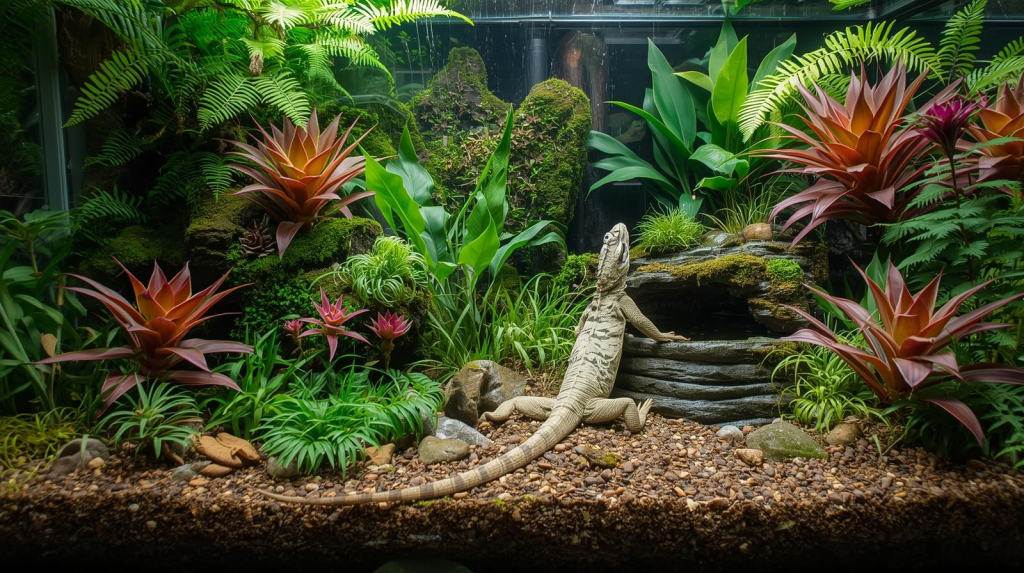

Lizards are fascinating creatures, each with unique habits, instincts, and personalities. Whether you care for a bearded dragon, gecko, or chameleon, creating an enriched habitat that supports natural behavior is key to their happiness and health. But what does “enrichment” really mean for lizards? It’s not just about decorations—it’s about building an environment that challenges their instincts, encourages exploration, and mimics nature’s rhythm.
Let’s explore how to enrich a lizard’s habitat so your reptile not only survives but thrives in its own miniature ecosystem.
Why Habitat Enrichment Matters for Lizards
In the wild, lizards spend their days exploring, hunting, basking, climbing, and hiding. In captivity, these instincts don’t just vanish—they need stimulation. Without enrichment, lizards can become lethargic, stressed, or even develop behavioral problems.
Enriching a lizard’s habitat taps into these natural instincts. It promotes physical exercise, mental engagement, and overall well-being. Moreover, it helps prevent common issues like obesity, boredom, and aggression.
Think of it like this: for a lizard, enrichment is what puzzles and games are for humans—it keeps the mind sharp and the body active.
Understanding Your Lizard’s Natural Behavior
Before you start rearranging the terrarium, take time to understand your lizard’s species-specific needs. Not all reptiles share the same instincts or routines.
Desert Dwellers
Bearded dragons and uromastyx thrive in dry, open environments. They love to bask on rocks, dig in soft sand, and observe from high perches.
Tropical Species
Geckos, anoles, and chameleons prefer humid climates with plenty of plants, branches, and vertical space for climbing. These species are more arboreal and require complex, layered environments.
Ground-Dwellers
Skinks and monitor lizards need ground-level enrichment. They enjoy burrowing, hunting, and exploring under logs or rocks.
When you replicate these conditions, your lizard feels “at home,” displaying natural behaviors like climbing, digging, or hunting for food.
Setting the Foundation: Lighting, Heat, and Space
A well-enriched lizard habitat starts with the basics—light, heat, and space. Without these essentials, even the most decorative setup will fail to support natural behavior.
Lighting
Lizards rely on the sun’s ultraviolet rays to regulate metabolism, mood, and bone health. Always include a UVB bulb that matches your species’ requirements. Keep it on for 10–12 hours daily to simulate daylight.
Heat Zones
Temperature gradients let your lizard self-regulate body heat. Create a basking area using heat lamps and a cooler zone for resting. This setup mirrors how lizards move between sunlight and shade in the wild.
Space and Layout
Avoid cramped enclosures. Lizards need room to explore, climb, and hide. A larger tank with varying terrain—rocks, branches, and hiding spots—creates a more dynamic environment that encourages movement and curiosity.
Substrate and Terrain: Building a Natural Base
The substrate is more than decoration—it’s the ground your lizard walks, digs, and hunts on. Choose a substrate that mirrors the species’ natural environment.
- For desert lizards: Use reptile-safe sand, crushed walnut shells, or clay blends.
- For tropical species: Opt for coconut fiber, cypress mulch, or soil blends that retain humidity.
- For burrowers: Mix soil and sand to allow tunnels without collapsing.
Add rocks, logs, and slopes for elevation. These features promote exploration and natural behaviors like basking, burrowing, and territorial display.
Remember to change or clean substrates regularly to prevent bacterial buildup.
Adding Hiding Spots and Climbing Structures
In nature, lizards constantly move between open areas and secure shelters. Replicating this rhythm helps them feel safe and stimulated.
Hiding Spots
Caves, cork bark, and hollow logs give your lizard safe zones to retreat and regulate stress. Place multiple hides in warm and cool zones to offer choice and control.
Climbing Opportunities
Branches, vines, and rock formations create vertical enrichment. For arboreal lizards, height equals safety and engagement. Even ground dwellers enjoy exploring low platforms or textured rocks.
Arrange structures to encourage movement and exploration without overcrowding the enclosure.
Visual and Sensory Stimulation
Lizards rely on sight and movement. Small changes in their environment can make a big impact.
Rotate decorations or rearrange climbing structures every few weeks. Introduce new textures like driftwood, bark, or stones. Adding plants—real or artificial—enhances visual appeal and provides hiding options.
Try background enclosures with 3D textures or scenic backdrops to mimic their native environment. Some lizards also respond positively to reflections or moving shadows, simulating the motion of prey or predators in nature.
Feeding Enrichment: Make Mealtime Interactive
Feeding shouldn’t be routine—it should be an adventure. In the wild, lizards hunt, stalk, and chase prey. Bringing this to their habitat keeps them physically active and mentally sharp.
- Live prey: Let your lizard chase crickets, roaches, or worms. This satisfies hunting instincts.
- Food puzzles: Use feeder balls or hiding spots for insects.
- Tong feeding: Move insects slowly to mimic natural prey movement.
- For herbivorous lizards: Scatter greens across branches or mix in edible flowers to encourage foraging.
Varying the feeding method prevents boredom and replicates the unpredictability of the wild.
Environmental Changes and Seasonal Cycles
Nature changes with the seasons—your lizard’s habitat should, too. Adjust lighting, humidity, and temperature gradually to simulate natural cycles.
For desert species, slightly cooler “winter” periods help regulate breeding and metabolism. Tropical species benefit from humidity changes that mimic rainy or dry seasons.
You can even alternate the enclosure layout every few months to mimic shifting landscapes, giving your lizard a reason to explore anew.
Interaction and Observation
Human interaction can also enrich your lizard’s life—if done carefully. Handle them gently and observe how they respond. Some lizards enjoy climbing on your arm or exploring new textures under supervision.
Watch for signs of stress, like glass surfing or hiding constantly. When enrichment works, you’ll notice relaxed movements, bright colors, and curious behavior.
Each lizard is an individual, so learn what stimulates and comforts yours. Observation is your greatest tool.
Maintaining a Balanced Environment
Too much change can overwhelm your lizard. Balance novelty with familiarity. Introduce new items gradually, allowing time for adjustment.
Keep track of how your lizard reacts to changes—some may love new climbing logs, while others prefer consistency.
The goal isn’t chaos—it’s controlled variety that fosters curiosity without fear.
Conclusion
To enrich a lizard’s habitat for natural behavior, think like nature. Every rock, branch, and shadow can spark instinct and comfort. A well-designed habitat mimics the rhythm of the wild—providing challenge, safety, and stimulation.
By focusing on lighting, terrain, feeding enrichment, and sensory variety, you’re not just decorating a tank—you’re crafting a world where your lizard can truly thrive.
FAQ
1. How often should I rearrange my lizard’s habitat?
Rearrange small elements every few weeks to maintain curiosity, but avoid major changes too often as they can cause stress.
2. What is the best way to enrich a lizard’s habitat?
Combine natural substrates, climbing structures, live plants, and interactive feeding to mimic wild conditions and encourage instinctive behavior.
3. Can I use live plants in a lizard enclosure?
Yes, many species benefit from live plants. They improve humidity and offer hiding spots, but ensure the plants are reptile-safe.
4. How do I know if my lizard is happy with its environment?
A content lizard will explore, bask, eat regularly, and show vibrant colors. Stress signs include hiding constantly or refusing food.
5. Is feeding live prey necessary for enrichment?
It depends on your lizard’s diet, but for insectivores, live prey provides excellent stimulation and helps maintain hunting instincts.