
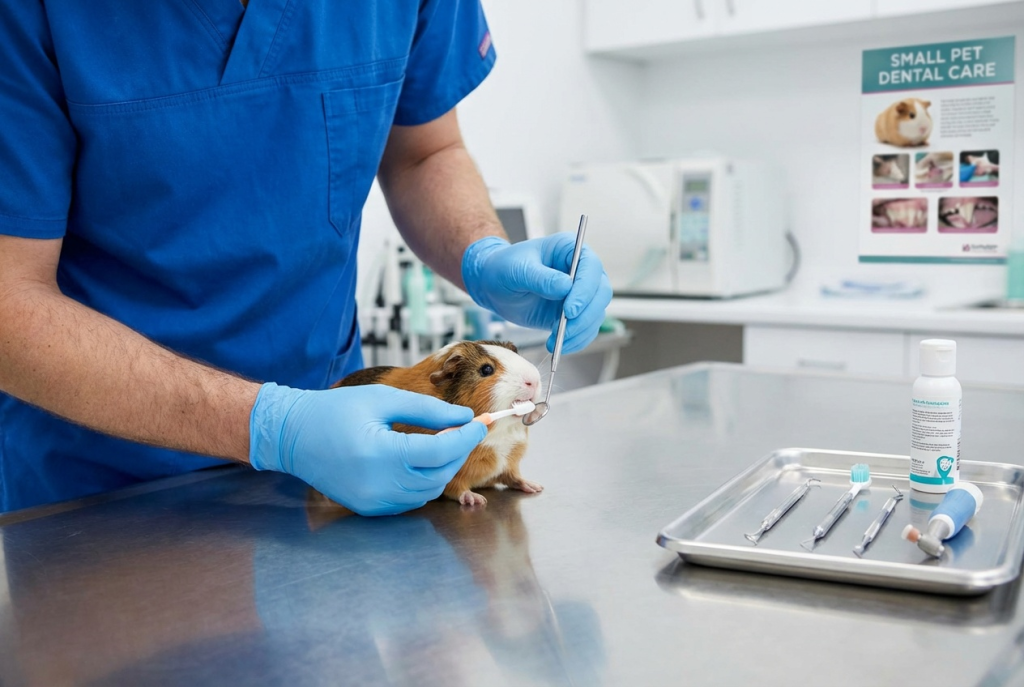

If you share your home with a rabbit, guinea pig, ferret, chinchilla, or other small companion animal, you already know how much personality they bring into your life. Although they may look tiny and delicate, their health needs are surprisingly complex. One of the most overlooked yet essential parts of their well-being is regular small pet dental exams. Because many small mammals rely on teeth that grow continuously, dental issues can develop quietly and cause serious pain before you ever notice something is wrong.
Small pet dental exams help prevent these problems long before they interfere with eating, grooming, or daily comfort. Yet many owners don’t realize how quickly dental disease can escalate or how subtle the early signs may be. Regular checks act as a protective layer, allowing you to catch concerns at a stage when treatment is simple and recovery is quick. With the right approach, dental care becomes a natural part of your routine and helps your small pets stay relaxed, vibrant, and healthy.
In this article, you’ll discover why small pet dental exams matter, what they include, and how they support long-term health. You’ll also learn how to recognize early symptoms, improve daily care, and prevent painful complications that can affect your pet’s quality of life.
Why Small Pet Dental Exams Matter
Small pets hide discomfort instinctively. This behavior helped them survive in the wild, where showing weakness could attract predators. However, this same instinct makes it incredibly difficult for owners to notice dental disease early. Even when small mammals feel extreme discomfort, they often continue eating enough to mask the issue.
Because symptoms remain subtle, small pet dental exams become a vital tool for early detection. They allow you to address:
- Overgrown incisors or molars
- Misalignment caused by improper wear
- Sharp points that cut into cheeks or tongue
- Tooth root elongation
- Abscesses hiding under the gums
- Infections spreading into the jaw
- Poor chewing habits linked to pain
These conditions may not show visible signs at first. However, they can progress rapidly and lead to severe complications such as weight loss, drooling, facial swelling, or refusal to eat. With annual dental exams, your vet can identify the earliest indications of trouble and treat them before they escalate.
Furthermore, consistent exams save you money over time. Emergency dental procedures, surgeries, and extensive treatments are far more costly than routine preventive care. By prioritizing yearly checkups, you protect both your pet and your budget.
How Dental Problems Affect Small Pets
Dental disease doesn’t stay isolated in the mouth. As it worsens, it affects everything from digestion to mobility. Because small pets depend on their teeth for nearly every aspect of their daily life, dental pain creates a chain reaction throughout the entire body.
Painful chewing is the most obvious consequence. When eating becomes uncomfortable, pets often drop food, lean to one side, or avoid harder textures. Although these changes may seem minor at first, they soon lead to nutrient deficiencies and significant weight loss. Even more concerning, dental infections can travel into the jawbone or sinuses, creating long-term damage.
Additionally, behavioral changes often appear. A normally social rabbit may sit hunched in the corner. A playful ferret might become irritable or withdrawn. Guinea pigs may stop grooming, which can lead to coat and skin issues. Because pain alters mood and habits, small pet dental exams play a crucial role in preserving emotional well-being as well as physical health.
What Happens During a Small Pet Dental Exam
A complete dental exam allows your veterinarian to evaluate the entire mouth, from incisors to molars and everything in between. Although each species has unique dental anatomy, most small pet dental exams include several essential steps.
Visual Inspection
First, the vet checks the alignment, length, and condition of the front teeth. Misaligned incisors can grow too long, causing difficulty with grooming or eating. At this stage, the vet may also look for drool marks, swelling, or discomfort around the jaw.
Mouth Examination with Tools
Because small mammals have narrow mouths and powerful jaw muscles, a full view of the molars is nearly impossible without specialized tools. Dental speculums, otoscopes, and lighting devices help the vet examine areas you cannot see at home. This deeper evaluation can reveal hidden problems such as ulcers, sharp points, deep pocketing, or early abscesses.
Jaw and Facial Assessment
The vet gently palpates the jaw and cheeks to check for heat, swelling, or sensitivity. Tooth root issues often show up as subtle bumps or firm areas under the skin. Early detection prevents the need for surgery later.
Imaging When Needed
In some cases, dental X-rays or CT scans are recommended. These images expose problems below the gumline, where many dangerous infections begin. Although imaging isn’t always necessary, it’s incredibly helpful for pets with chronic dental concerns.
Treatment Discussion
Once the exam is complete, your vet explains any findings and recommends care. Even if everything looks healthy, you’ll learn how to maintain proper wear and prevent future issues.
Species That Benefit Most from Dental Exams
Some pets need dental exams more urgently than others. While all small mammals benefit from yearly checks, certain species require even more attention because their teeth never stop growing.
Rabbits
Rabbits rely on constant chewing to wear down their teeth. If their diet lacks fiber, their molars grow unevenly and create painful spurs. Annual dental exams prevent unnoticed injuries inside the cheeks and tongue.
Guinea Pigs
Guinea pigs are prone to molar elongation and tongue entrapment. Early detection prevents severe weight loss or choking risks.
Chinchillas
Because chinchillas chew constantly, their teeth must stay balanced. Even slight misalignment can cause rapid overgrowth.
Ferrets
Ferrets don’t have continuously growing teeth, but they are prone to tartar buildup, fractures, and gum disease. Regular exams keep infections away and maintain their natural bite strength.
Although each species has unique needs, small pet dental exams provide essential protection regardless of the type of pet you own.
Daily Habits That Support Healthy Teeth
Vets can detect problems early, but your daily routine plays a huge role in long-term dental health. Fortunately, small changes make a big difference.
Provide the Right Diet
For herbivores such as rabbits, guinea pigs, and chinchillas, hay must remain the foundation of their diet. High-fiber hay encourages constant chewing and naturally wears down molars and incisors. Pellets, vegetables, and treats support nutrition but should never replace hay as the primary food source.
Carnivorous pets such as ferrets rely on high-protein foods that protect gum health. Soft or sugary foods should be avoided because they contribute to plaque buildup.
Offer Safe Chew Materials
Chewing isn’t a hobby—it’s a necessity. Safe wooden blocks, hay cubes, willow sticks, and species-appropriate chew toys help maintain tooth shape and prevent dangerous overgrowth.
Monitor Eating Habits
Small shifts in chewing behavior signal early dental problems. Watch for selective eating, dropping food, slow chewing, or preference for softer textures. Although these changes seem subtle, they often indicate discomfort.
Maintain Clean Living Conditions
Clean water bottles, fresh bedding, and regular grooming help prevent secondary infections around the mouth. A hygienic environment supports stronger immune function and faster healing.
Recognizing Early Signs of Dental Issues
You may not see dental disease directly, but your pet’s behavior often reveals it. Learning the warning signs helps you take action before complications become severe.
Look for:
- Weight loss
- Excessive drooling
- Wet fur around the mouth
- Visible tooth length changes
- Reduced grooming
- Dropped or scattered food
- Preference for soft foods
- Jaw swelling
- Vocalizing during meals
If your pet displays any of these symptoms, schedule a small pet dental exam right away. Since early intervention prevents pain and long-term damage, prompt care is essential.
How Often Should Small Pets Receive Dental Exams?
Most small pets benefit from one dental exam each year. However, some species, especially rabbits and guinea pigs, may require examinations every six months, particularly if they have had previous dental problems.
Senior pets also benefit from more frequent checkups. Their teeth wear differently with age, and their bodies recover more slowly, making early detection crucial.
Although these exams take only a short amount of time, the impact on your pet’s comfort and longevity is enormous.
Why Professional Exams Matter More Than Visual Checks at Home
You may feel confident inspecting your pet’s teeth at home, but most dental problems hide deep in the mouth where you cannot see them. Furthermore, small animals resist mouth handling, making thorough checks difficult and potentially unsafe.
Vets use:
- Specialized lighting
- Cheek retractors
- Dental speculums
- Sedation when necessary
- Radiographs for root evaluation
These tools allow for complete visibility and accurate diagnosis. Because early symptoms often remain invisible to owners, professional small pet dental exams provide a level of care home checks cannot match.
Preventing Pain and Extending Lifespan Through Dental Care
Long-term dental disease causes significant suffering. However, many cases are preventable. Small pet dental exams help your veterinarian create a long-term care plan that reduces pain and supports a longer life. When your pet’s mouth remains healthy, eating stays comfortable, digestion improves, and grooming becomes natural and effortless.
Even more importantly, untreated dental disease can lead to systemic infections. Because bacteria from the mouth can spread into the bloodstream, dental checks protect not just oral health but the entire body.
Conclusion
Small pet dental exams play a crucial role in maintaining long-term health, reducing pain, and preventing serious medical conditions. When you commit to yearly exams—and additional checks for pets with past dental issues—you ensure your companion animal continues to eat comfortably, interact happily, and enjoy life with confidence. With proactive care, the right diet, and early detection, your small pets gain the comfort and stability they deserve. Strong dental health leads to a stronger, healthier, and more joyful life.
FAQ
1. How often should small pets receive dental exams?
Most small pets benefit from annual exams, but some require checks every six months.
2. Can dental problems become life-threatening?
Yes. Severe infections can spread, leading to systemic illness or dangerous abscesses.
3. What signs show my pet may have dental pain?
Drooling, weight loss, dropping food, and difficulty chewing often indicate discomfort.
4. Do ferrets need dental care even though their teeth don’t regrow?
Absolutely. Ferrets are prone to tartar and fractures, which require regular monitoring.
5. Can diet alone prevent dental problems?
A proper diet helps, but professional small pet dental exams remain essential for early detection.