
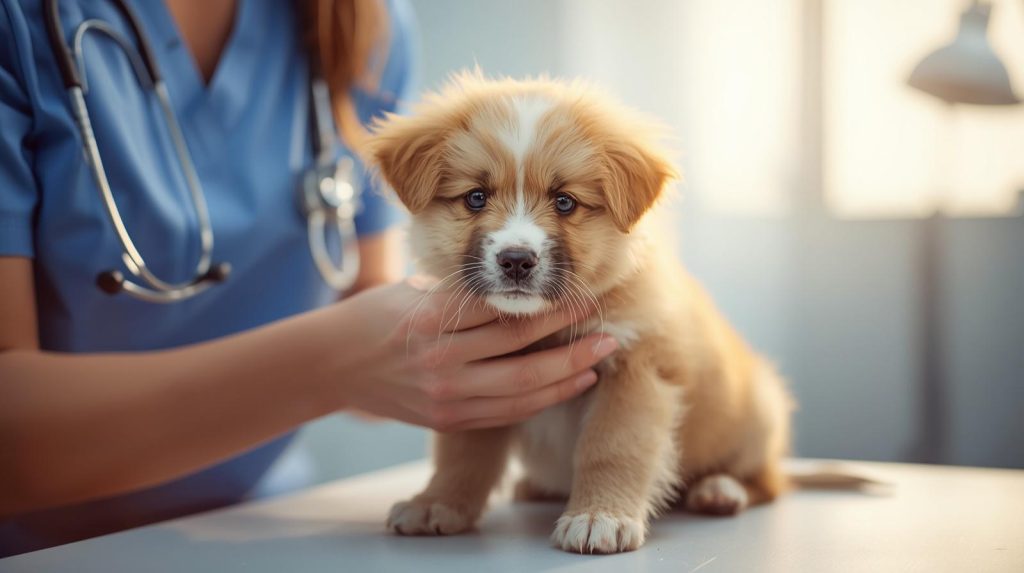

Delaying puppy vet care may seem like a minor decision, especially when your new pet appears healthy. However, this delay can expose your puppy to serious health risks that are often preventable.
Because puppies are highly vulnerable in their early weeks, timely veterinary attention plays a critical role. Without it, hidden illnesses may go unnoticed, and essential vaccinations may be missed.
Therefore, understanding the dangers of delaying puppy vet care helps you make informed decisions that protect your pet’s health and well-being from the start.
Why Early Veterinary Care Is Essential
Puppies grow rapidly, and their immune systems are still developing. As a result, they rely heavily on early medical care.
Veterinarians provide more than just vaccines. They assess overall health, detect potential issues, and guide owners on proper nutrition and care. Additionally, early visits help establish a baseline for future health monitoring.
Because of this, delaying puppy vet care increases the risk of missing early warning signs. Conditions like congenital defects or infections may worsen without timely intervention.
Moreover, early care builds a strong foundation for lifelong wellness.
Common Health Risks of Delaying Care
When veterinary visits are postponed, several health risks can emerge quickly. Puppies are especially susceptible to infections and parasites.
Infectious Diseases
Without vaccinations, puppies face serious threats such as:
- Parvovirus
- Distemper
- Canine hepatitis
These diseases can spread rapidly and may become life-threatening. Therefore, delaying puppy vet care significantly increases exposure risk.
Parasite Infestations
Puppies often carry parasites, even if they appear healthy. Common issues include:
- Worms
- Fleas
- Ticks
If left untreated, these parasites can cause malnutrition and anemia. Early detection prevents complications.
Developmental Problems
Some conditions are not visible at first. For example, joint issues or heart defects may only be identified during a professional exam.
Because of this, delaying puppy vet care can allow these problems to progress unnoticed.
The Importance of Vaccination Schedules
Vaccinations are a critical part of early care. They protect puppies from dangerous diseases during their most vulnerable stage.
Why Timing Matters
Vaccines are given in a series to build immunity. Missing or delaying doses weakens protection.
For instance, if vaccinations are postponed, your puppy remains exposed to viruses in the environment. This gap increases the risk of infection.
Core Vaccines for Puppies
Most veterinarians recommend:
- Distemper
- Parvovirus
- Adenovirus
- Rabies
Following the correct schedule ensures optimal protection. Therefore, delaying puppy vet care disrupts this timeline and reduces effectiveness.
Behavioral and Socialization Impacts
Health care is not just physical. Early vet visits also influence behavior and social development.
Early Social Exposure
Veterinary visits introduce puppies to new environments. This exposure helps reduce fear and anxiety later in life.
Guidance for Owners
Vets provide advice on:
- Training basics
- Feeding routines
- Socialization strategies
Without this guidance, owners may unknowingly develop poor habits. As a result, delaying puppy vet care can affect behavior long-term.
Financial Consequences of Waiting
Some owners delay vet visits to save money. However, this approach often leads to higher costs later.
Preventive Care vs. Emergency Treatment
Preventive care is usually affordable. In contrast, emergency treatments for advanced illnesses can be expensive.
For example, treating parvovirus requires intensive care and hospitalization. Early vaccination would have prevented this cost.
Long-Term Health Expenses
Untreated conditions may lead to chronic issues. These problems require ongoing treatment, which adds up over time.
Therefore, delaying puppy vet care can result in greater financial strain in the future.
How Early Checkups Support Growth
Puppies experience rapid growth in their first year. Regular vet visits ensure this growth stays on track.
Monitoring Weight and Nutrition
Veterinarians track weight gain and recommend proper diets. Balanced nutrition supports bone development and energy levels.
Detecting Growth Abnormalities
Early exams help identify issues like:
- Bone deformities
- Dental problems
- Growth delays
Because of this, delaying puppy vet care may allow these concerns to worsen before treatment begins.
Risks to Other Pets and Humans
Health risks do not affect only your puppy. They can also impact other animals and even people.
Spread of Disease
Unvaccinated puppies can carry contagious diseases. These illnesses may spread to other pets in your home or community.
Zoonotic Risks
Some parasites can transfer to humans. For example, certain worms pose a risk to children.
Therefore, delaying puppy vet care increases the chance of spreading infections beyond your pet.
Signs Your Puppy Needs Immediate Care
Even if you plan regular visits, emergencies can happen. Recognizing warning signs is essential.
Watch for:
- Lethargy or weakness
- Vomiting or diarrhea
- Loss of appetite
- Difficulty breathing
- Unusual behavior
If these symptoms appear, seek veterinary help immediately. Delaying puppy vet care in emergencies can be life-threatening.
How to Stay on Track with Puppy Care
Consistency is key when it comes to your puppy’s health. Creating a plan helps ensure nothing is missed.
Set a Veterinary Schedule
Work with your vet to establish:
- Vaccination timelines
- Routine checkups
- Preventive treatments
Keep Records Organized
Maintain a record of:
- Vaccinations
- Medications
- Health changes
Follow Professional Advice
Always follow your veterinarian’s recommendations. They tailor care based on your puppy’s needs.
By staying organized, you reduce the risk of delaying puppy vet care.
Building a Lifelong Relationship with Your Vet
Early visits help your puppy become comfortable with veterinary care. This familiarity reduces stress during future appointments.
Additionally, building trust with your vet ensures better communication. You can discuss concerns and receive guidance tailored to your pet.
Because of this, delaying puppy vet care may make future visits more difficult and stressful.
Conclusion: Protect Your Puppy from the Start
Delaying puppy vet care can lead to serious health, behavioral, and financial consequences. Although it may seem harmless at first, the risks quickly outweigh any short-term convenience.
By prioritizing early veterinary visits, you protect your puppy from preventable diseases and ensure proper development. Moreover, you gain valuable guidance that supports long-term well-being.
Ultimately, taking action early gives your puppy the best chance at a healthy, happy life. Do not wait until problems appear—proactive care makes all the difference.
FAQ
1. Why is early veterinary care important for puppies?
Early care helps detect health issues, provides vaccinations, and supports proper growth and development.
2. What happens if vaccinations are delayed?
Delaying vaccines leaves puppies vulnerable to serious diseases like parvovirus and distemper.
3. Can skipping early vet visits affect behavior?
Yes, lack of early exposure and guidance may lead to anxiety and behavioral problems later.
4. Are parasites common in young dogs?
Yes, many puppies carry parasites that require early treatment to prevent complications.
5. How often should puppies visit the vet?
Puppies usually need multiple visits during their first year for vaccines, checkups, and preventive care.