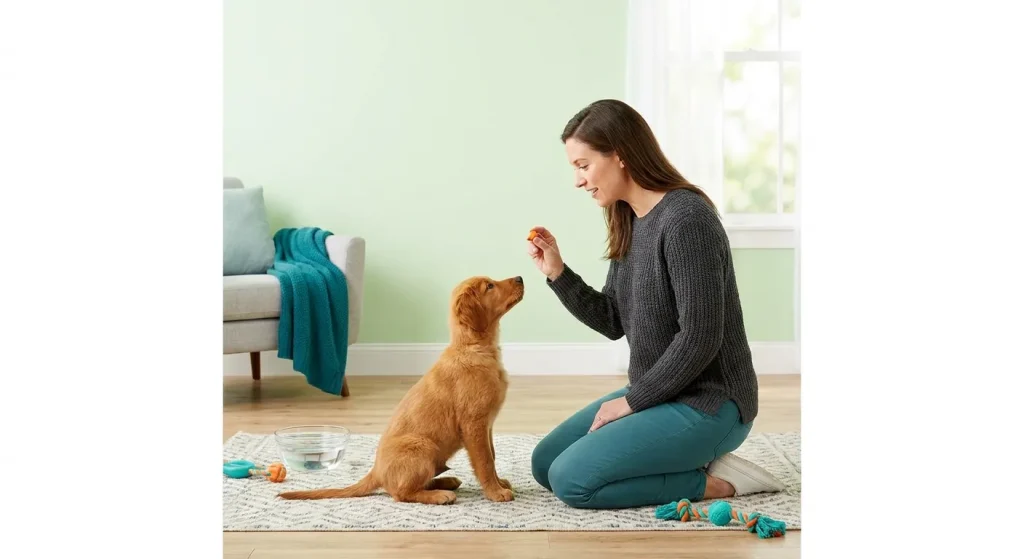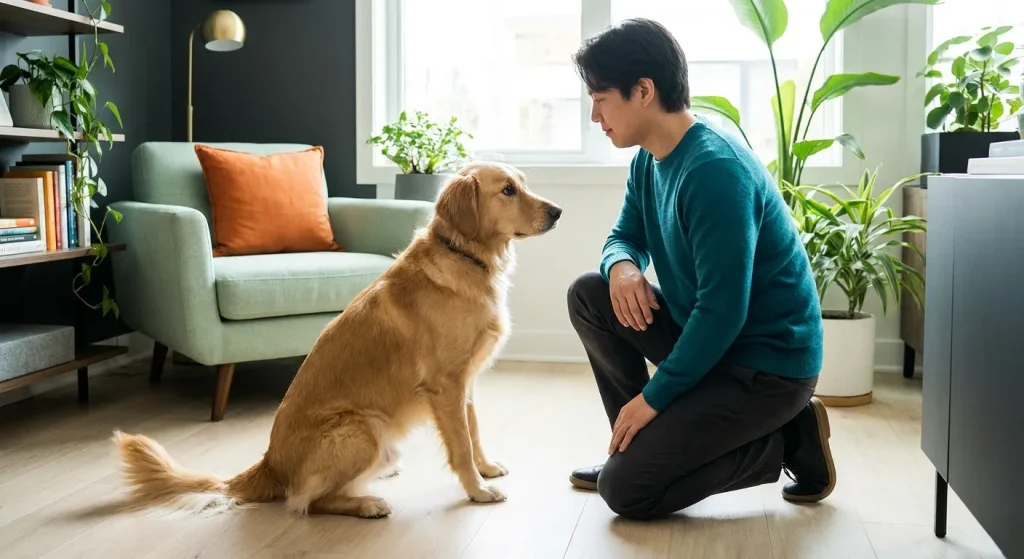
Dogs crave consistency—it’s what makes them feel safe and secure. When daily routines calm dog anxiety, they help your pet feel grounded, confident, and loved. Predictable structure tells your dog, “You’re safe, and you belong here.” Let’s explore how simple habits can transform your anxious dog into a relaxed, happy companion.
Why Daily Routines Calm Dog Anxiety
Dogs are natural pattern seekers. A steady rhythm to their day gives them a sense of control and stability. When feeding, walking, and bedtime follow predictable patterns, it signals that life is safe and manageable.
Imagine living in a world where every meal, walk, or nap came at random times. You’d be anxious too! That’s how your dog feels without a consistent structure. Routine helps lower cortisol levels—the stress hormone—and builds emotional security.
Establishing a Morning Routine to Calm Your Dog
A well-paced morning sets the emotional tone for the entire day. When your dog knows what’s coming next, their stress melts away.
1. Wake Up at a Consistent Time
Start your day at the same time every morning. Whether 6:30 or 8:00, your dog will anticipate your waking routine. This simple consistency teaches patience and predictability—two key factors in helping daily routines calm dog anxiety.
2. Morning Potty Break
Immediately take your dog outside. This clears both their bladder and their mind. Natural scents and fresh air engage their senses and reduce morning restlessness.
3. Regular Feeding Schedule
Feed your dog at the same times daily. Predictable mealtime rituals lower stress and improve digestion. Include calm cues like saying, “Breakfast time!” before placing their bowl down.
4. Short Morning Exercise
Exercise acts as an emotional release valve. Even a short walk or gentle backyard play session helps your anxious dog feel centered.
How Midday Routines Help Dogs Stay Calm
Midday routines maintain balance and prevent anxiety from creeping in during quiet hours.
1. Consistent Enrichment or Training
Keep their mind busy. Puzzle toys, scent games, or calm training sessions teach focus and reduce nervous pacing.
2. Midday Walk or Rest Time
If possible, give your dog a short midday walk or encourage a nap in their favorite spot. Dogs mirror your energy, so calm breaks during your day help them regulate theirs.
3. Positive Check-Ins
If you work from home, check in with your dog every few hours. Short reassurance moments strengthen the bond and help daily routines calm dog stress effectively.
Evening Routines That Calm an Anxious Dog
Evening is the perfect time to unwind together. Creating peaceful rituals before bedtime reassures your dog that all is well.
1. Predictable Walk Before Dinner
An early evening walk helps release excess energy and signals that it’s time to settle down. Stick to familiar routes so your dog associates them with comfort and safety.
2. Dinner at the Same Time
Feed your dog within a set 15-minute window every evening. Consistency in dinner time is one of the easiest ways daily routines calm dog anxiety.
3. Calm Connection After Dark
Avoid over-stimulation. Try gentle brushing, slow petting, or soothing music.
4. Bedtime Ritual
End with a final potty break and a consistent bedtime cue, like “Time for bed.” Dogs love rituals—they turn the unknown into security.
How Routine Reduces Triggers and Reactivity
Triggers like strangers, car rides, or noises can send an anxious dog into panic mode. Structure and gradual exposure through routine training can ease these fears.
Gradual Exposure
Introduce mild versions of their triggers daily. For example, let your dog sit in a parked car while offering treats. Consistent exposure reduces the startle reflex over time.
Controlled Socialization
Schedule short, calm introductions with friendly dogs or neighbors. Repetition builds confidence.
Consistent Commands
Use the same words for direction and reassurance. Familiar commands like “sit,” “stay,” or “calm” help create predictability—a key reason daily routines calm dog behavior.
How Consistency Builds Confidence and Trust
Consistency is the foundation of emotional balance. Every time you walk, feed, or comfort your dog at the same time, you reinforce trust. Anxiety fades as your dog learns that you are reliable.
Even tiny habits—like greeting your dog the same way when you return home—create familiarity. Over time, these routines help transform nervous energy into calm assurance.
Maintaining Routines During Life Changes
Even life’s disruptions—like travel, visitors, or new jobs—don’t have to derail your dog’s calm state.
1. Keep Key Anchors Consistent
Stick to core routines like feeding, walks, and bedtime, even if your location changes.
2. Bring Comfort Items
Their bed, blanket, or toy carries the scent of home and provides emotional security.
3. Use Calming Aids
Consider tools like pheromone diffusers or natural supplements to reinforce consistency when routines shift.
4. Stay Calm Yourself
Dogs mirror your energy. If you project calm confidence, your dog will, too.
Conclusion: Calm Comes Through Consistency
Daily routines don’t just manage time—they manage emotion. By sticking to regular feeding, walking, and resting schedules, you provide a powerful message of safety. Over time, your dog learns to expect peace, not chaos.
Remember: it’s not about perfection—it’s about consistency. With steady routines, patience, and love, your anxious dog will find the calm they deserve.
FAQ
1. How quickly do daily routines calm dog anxiety?
Many dogs show progress within one to two weeks. Consistency is key to lasting calm.
2. Can I change my dog’s schedule once it’s set?
Yes, but do it gradually. Small 15-minute adjustments work best.
3. Are routines helpful for separation anxiety?
Absolutely. Predictable departures and returns reduce fear of being alone.
4. Should I feed my dog at the exact same times daily?
Yes. Consistent feeding reinforces trust and stability.
5. Do older dogs benefit from daily routines too?
Yes. Senior dogs often find comfort and reduced anxiety when daily routines stay predictable.