
Welcoming a puppy into your home is an exciting experience, but it also comes with a lot of responsibility. Feeding your puppy correctly is one of the most important parts of supporting their development. Because puppies grow rapidly, their nutritional needs are very different from those of adult dogs. A complete puppy feeding guide helps you choose the right food, portion sizes, feeding schedule, and habits to keep your young dog healthy and thriving. With the right approach, your puppy grows strong bones, develops a resilient immune system, and builds steady energy for play and learning.
Understanding nutrition early prevents many health problems later in life. Puppies that receive the proper balance of protein, fat, vitamins, and minerals develop more consistently and show fewer issues with digestion, immunity, and weight control. Because feeding impacts your puppy’s long-term wellbeing, choosing correctly from the start matters. This complete puppy feeding guide gives you the clarity and confidence you need to support that healthy growth every day.
Why Puppies Need a Complete Puppy Feeding Guide
Puppies go through intense growth spurts that require higher levels of nutrients than adult dogs. Their bodies change quickly, and they need more calories per pound of body weight than mature dogs. They also rely on essential nutrients like DHA for brain development, calcium for steady bone growth, and quality protein for muscle formation.
Without proper nutrition, your puppy may experience:
• Stunted growth
• Weak bones
• Low energy
• Digestive problems
• Poor coat condition
• Increased illness risk
Because puppies cannot tell you what they need, it becomes your responsibility to feed them intentionally. A complete puppy feeding guide ensures that you understand each stage of development—from weaning to full maturity.
Choosing the Right Food for Your Puppy
Selecting the correct food is the foundation of any complete puppy feeding guide. Puppy-specific formulas are designed to support growth, offering more calories, richer nutrition, and balanced minerals.
Puppy Food vs. Adult Dog Food
Adult dog food cannot meet the intense dietary needs of a developing puppy. Feeding adult formulas to a puppy may cause deficiencies that slow growth or weaken immunity. Puppy food provides:
• Higher protein content
• Larger amounts of healthy fats
• More calcium and phosphorus
• Balanced vitamins for joint and brain development
• Adequate calories for rapid growth
Always select a formula labeled specifically for puppies.
Kibble, Wet Food, or Fresh Food?
Each type has advantages.
Kibble: Convenient, shelf-stable, and supportive of dental health.
Wet food: Palatable and hydrating, helpful for picky eaters.
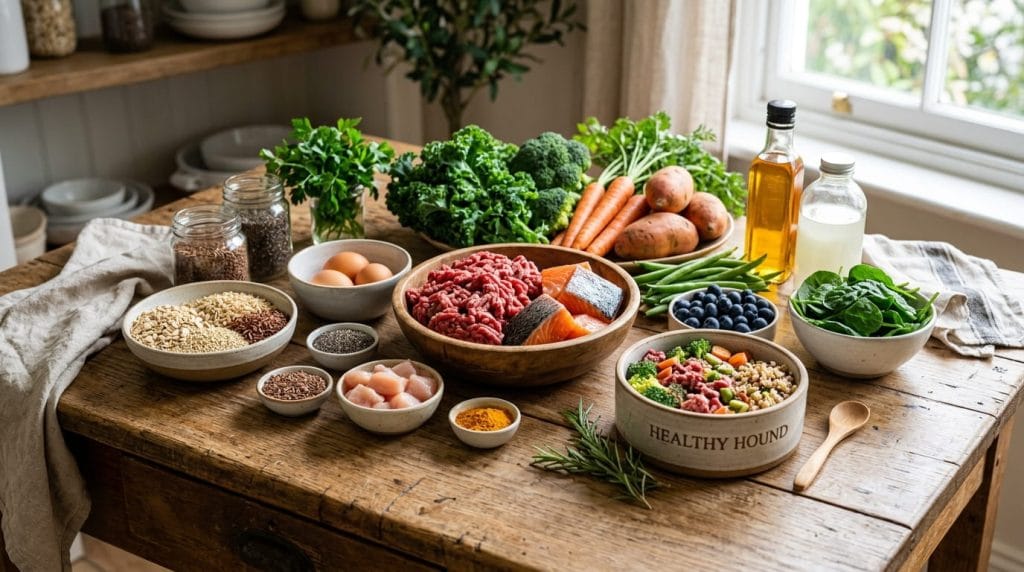
Fresh food: Minimally processed, nutrient-dense, and often easier to digest.
Many owners use a combination of types. Regardless of the format, choose a food that meets AAFCO (or regional equivalent) growth standards.
Breed Size Matters
Large-breed puppies require different nutrition than small-breed puppies. Because large breeds grow slowly and steadily, too much calcium or too many calories can cause joint and bone problems. Meanwhile, small breeds burn calories quickly, so they need calorie-dense food.
This complete puppy feeding guide emphasizes matching your puppy’s formula to their breed size. Always check the food label for breed-specific guidance.
How Much Should You Feed Your Puppy?
Feeding amounts depend on age, breed, activity level, and metabolism. Although food bags provide general guidelines, every puppy requires personalized care.
Age-Based Feeding Amounts
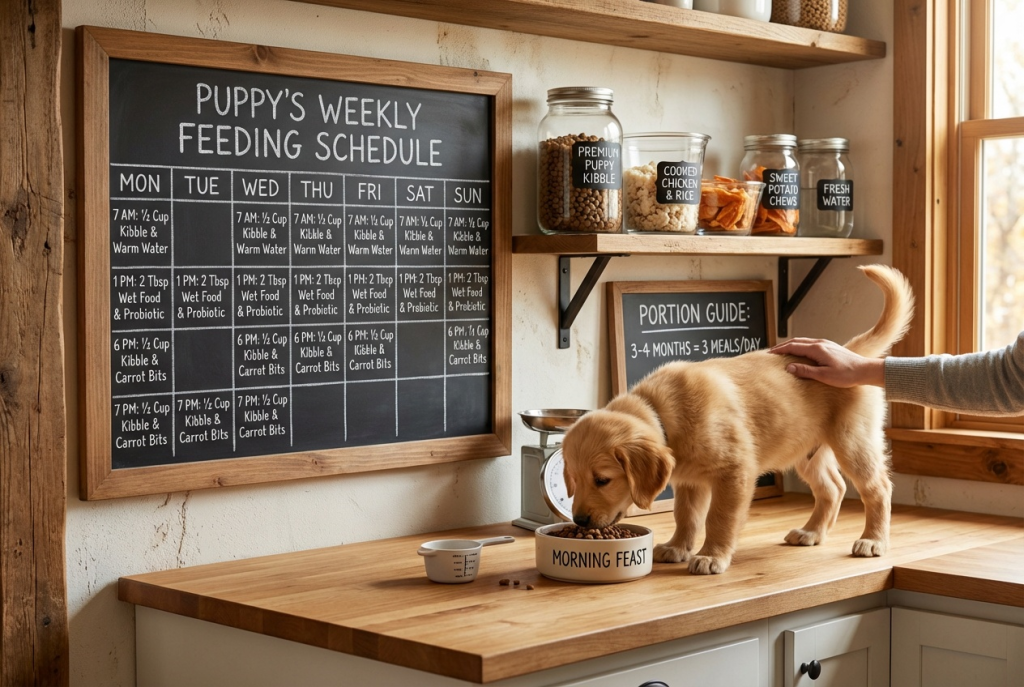
Young puppies need smaller, more frequent meals. As they grow, their portions increase while frequency decreases.
• 6–12 weeks: 4 meals per day
• 3–6 months: 3 meals per day
• 6–12 months: 2–3 meals per day
• After 12 months: transition toward adult feeding schedule
Small-breed puppies often stay on 3 meals longer, while large breeds may shift to 2 meals earlier.
Body Condition Monitoring
Instead of relying only on measuring cups, use body condition scoring. A properly fed puppy has:
• A visible waist
• Ribs that can be felt but not seen
• A straight back without bulges
This complete puppy feeding guide encourages you to assess body shape regularly. Overfeeding leads to joint problems, while underfeeding stunts development.
Establishing a Consistent Puppy Feeding Schedule
Structure helps puppies feel secure and supports predictable digestion. A feeding schedule also makes potty training easier because puppies eliminate shortly after meals.
Why Timing Matters
Consistent meal times help:
• Regulate energy
• Improve digestion
• Reduce begging
• Encourage healthy habits
• Prevent nighttime accidents
Morning meals fuel your puppy for play and training. Evening meals should be early enough to avoid late-night bathroom trips.
Avoid Free-Feeding
Although some owners keep bowls full all day, free-feeding makes portion control difficult. Puppies who eat continuously may become overweight or develop digestive discomfort. Scheduled feeding helps create a calm, predictable routine.
Understanding Puppy Nutrition Through Growth Stages
A complete puppy feeding guide must account for each developmental stage. Every stage brings new needs and adjustments.
Weaning Stage (4–8 Weeks)
At this point, puppies transition from mother’s milk to solid food. Offer softened kibble or puppy gruel. Feed small amounts often so the digestive system adapts gently.
Early Growth Stage (2–4 Months)
This is the fastest-growing phase. Puppies burn calories quickly and require balanced nutrition for bone and brain development. Choose nutrient-dense puppy food and maintain four meals per day.
Steady Growth Stage (4–12 Months)
Growth slows slightly but remains significant. Adjust meal portions as your puppy grows. Continue monitoring body condition closely and keep feeding three meals daily until advised otherwise.
Final Growth Stage (12–24 Months)
Large-breed dogs may continue developing until age two. Transition to adult food gradually and only when your dog has reached most of their adult size.
Hydration in Puppy Feeding
Water is a critical part of this complete puppy feeding guide. Puppies dehydrate easily because they burn energy rapidly and have small bodies.
Ensure:
• Fresh water stays available at all times
• The bowl remains clean
• Water intake increases after playtime
• Wet food isn’t used as a substitute for water
Hydration supports digestion, temperature regulation, and joint health.
Treats and Snacks: How Much Is Too Much?
Puppies love treats, but moderation matters. Treats should not exceed 10% of daily calories. Overuse can lead to weight gain, digestive problems, and reduced interest in regular meals.
Choose healthy treats such as:
• Small training bites
• Soft puppy treats
• Pieces of cooked chicken
• Dog-safe fruits and vegetables
Avoid treats that are hard, overly processed, or too large for puppy teeth.
Foods to Avoid in a Complete Puppy Feeding Guide
Certain foods are dangerous for puppies. Avoid:
• Chocolate
• Grapes and raisins
• Onion and garlic
• Alcohol
• Xylitol
• Cooked bones
• Raw dough
• High-salt snacks
• Macadamia nuts
These foods can cause poisoning, digestive issues, or choking hazards.
How to Transition to a New Puppy Food
Transition slowly to reduce digestive upset. Use a seven-day schedule:
• Days 1–2: 25% new, 75% old
• Days 3–4: 50% new, 50% old
• Days 5–6: 75% new, 25% old
• Day 7: 100% new food
Monitoring stool helps ensure a smooth transition.
Managing Digestive Issues During Puppy Feeding
Some puppies experience digestive discomfort. Common issues include:
• Loose stool
• Gas
• Occasional vomiting
• Reduced appetite
Often, these issues improve with adjustments to food quality, feeding frequency, or hydration levels. Severe or persistent symptoms require veterinary attention.
Recognizing Healthy Growth Signs
A well-fed puppy shows:
• Bright eyes
• Consistent energy
• Sleek coat
• Steady weight gain
• Healthy stool consistency
• Strong appetite
This complete puppy feeding guide helps maintain these markers consistently.
When to Ask Your Vet for Nutrition Guidance
Veterinarians offer personalized advice based on breed, weight, and health. Seek guidance when:
• Your puppy grows too fast or too slow
• Stool becomes consistently soft
• Weight fluctuates
• Appetite changes
• You plan to switch food types
• You notice unusual behavior
Vets help prevent long-term issues through early intervention.
Conclusion
This complete puppy feeding guide gives you everything you need to support healthy, balanced growth from the earliest weeks through adulthood. When you feed your puppy intentionally—choosing the right food, maintaining predictable schedules, and adjusting portions according to growth—you build a strong foundation for lifelong health. Proper nutrition strengthens bones, supports cognitive development, and fuels consistent energy for learning and play. With thoughtful feeding habits today, your puppy grows into a confident, healthy adult dog tomorrow.
FAQ
1. How often should I feed my puppy each day?
Young puppies need 3–4 daily meals, depending on age and breed size.
2. When should puppies switch to adult food?
Most puppies switch between 12–18 months, while large breeds may switch closer to age two.
3. Are treats safe for puppies?
Yes, but treats should stay under 10% of daily calories.
4. Can puppies eat adult dog food?
No. Adult food lacks the nutrients required for puppy development.
5. How do I know if I’m feeding the right amount?
Monitor body condition, weight, appetite, and energy. Adjust portions as needed.