
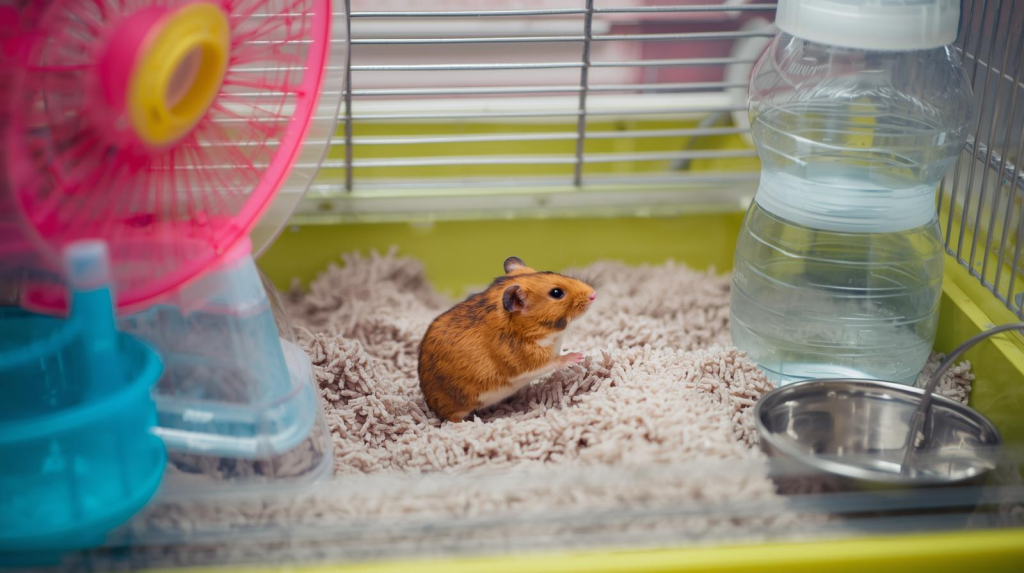

Keeping your hamster’s home clean is more than a chore—it’s an act of care. A tidy cage means a healthy, happy hamster, free from odors, bacteria, and stress. But here’s the catch: cleaning a hamster cage the wrong way can actually cause anxiety for your little friend. So, how do you clean a hamster cage properly while keeping things calm and efficient? Let’s dive into the stress-free process.
Why a Clean Hamster Cage Matters
A clean hamster cage isn’t just about looks—it’s essential for your pet’s well-being. Hamsters are naturally tidy animals, but when their cage gets too dirty, bacteria and ammonia build up, causing health problems like respiratory issues and skin irritation.
Think of it this way: would you enjoy living in a room that’s never cleaned? Your hamster feels the same. A fresh environment keeps their tiny world comfortable, safe, and pleasant to explore.
Signs It’s Time to Clean the Cage
- The bedding smells strongly of ammonia
- The food stash looks moldy or wet
- Your hamster’s fur looks dirty or greasy
- You notice droppings piling up in corners
If any of these signs appear, it’s time to give their home a good clean.
How Often Should You Clean a Hamster Cage
There’s a fine balance between keeping the cage clean and not stressing your hamster. Cleaning too often can remove their familiar scent, making them anxious. Cleaning too rarely can harm their health.
Weekly Cleaning Routine
Most hamster cages should be thoroughly cleaned once a week. This includes replacing bedding, scrubbing the base, and washing food and water dishes.
Daily Spot Cleaning
Every day, remove any soiled bedding, leftover food, or droppings. This keeps the cage fresh without disrupting your hamster’s scent markers too often.
Remember, routine builds comfort. When cleaning happens regularly but predictably, your hamster learns to adjust calmly.
Preparing to Clean a Hamster Cage Without Stress
Preparation is half the battle. Cleaning will go smoothly when you have everything ready and your hamster is safely out of the way.
Gather Your Supplies
You’ll need:
- A small pet-safe travel carrier or playpen
- Mild, unscented soap or pet-safe cleaner
- Paper towels or clean cloths
- Fresh bedding
- Gloves (optional but helpful)
- A scoop or small dustpan
Create a Safe Temporary Space
Before cleaning, gently place your hamster in a secure playpen or travel cage with a bit of old bedding. The familiar smell helps them stay calm while you work. Add a small toy or treat to distract them.
This step is crucial—rushing or startling your hamster during cleaning can create unnecessary stress.
Step-by-Step: How to Clean a Hamster Cage Properly
Cleaning a hamster cage is simple once you know the rhythm. Follow these steps to keep your hamster relaxed and the cage spotless.
1. Remove Your Hamster
Always handle your hamster gently. Scoop them up using a small cup or your hands and place them into the temporary space you prepared earlier.
2. Empty the Cage
Take out all accessories—food bowls, toys, wheels, tunnels, and hideouts. Discard soiled bedding and wipe away droppings. If any bedding is still clean and dry, you can save a handful to mix with the fresh batch later to preserve your hamster’s scent.
3. Wash and Disinfect
Use mild, unscented soap or a pet-safe cleaner mixed with warm water. Scrub the cage base, corners, and accessories. Avoid harsh chemicals like bleach, as even small residues can harm your hamster.
Rinse thoroughly and dry completely before refilling the cage.
4. Add Fresh Bedding
Spread a generous layer of fresh bedding, about 2–3 inches deep. Hamsters love to burrow, and this depth gives them enough material for tunneling. Mixing in a small amount of old bedding helps them feel “at home” again.
5. Replace Accessories
Put everything back where it was—or rearrange slightly for enrichment. Wash and refill food bowls and water bottles. Check for wear or damage on toys and tunnels, and replace anything that’s unsafe.
6. Return Your Hamster
Once the cage is dry and set up, gently place your hamster back inside. Let them explore and re-mark their territory. They’ll likely sniff around for a while, rebuilding their sense of security.
Reducing Hamster Stress During Cleaning
Hamsters are territorial and scent-oriented creatures. Changing their environment suddenly can make them nervous. Here’s how to make cleaning less stressful:
- Keep some used bedding to mix with the new one
- Avoid strong-smelling cleaners or perfumes
- Handle your hamster calmly and quietly
- Keep cleaning sessions consistent in timing
- Don’t over-clean; leave some familiar scents behind
Think of your hamster’s cage as their tiny world—you’re just helping them keep it fresh without making it feel unfamiliar.
Choosing the Best Cleaning Products for Hamsters
Not all cleaning products are safe for small pets. The right ones make a big difference.
Pet-Safe Cleaning Options
Look for cleaners labeled as pet-safe or formulated for small animals. Alternatively, you can use a simple homemade mix of vinegar and water (1:1 ratio). It’s natural, effective, and safe when rinsed properly.
What to Avoid
- Bleach or ammonia-based products
- Scented sprays or air fresheners
- Disinfectant wipes not meant for pets
A clean cage doesn’t need to smell like lavender—it should simply smell fresh and neutral.
Creating a Stress-Free Cleaning Routine
Consistency is key. Hamsters feel safer when they can predict what’s happening around them.
Try cleaning around the same time each week. Use calm movements and a gentle tone when transferring your hamster. If your hamster seems agitated afterward, leave them alone to settle for a few hours. Over time, they’ll associate cleaning with comfort rather than chaos.
To make cleaning even easier, design your cage layout with removable trays and washable accessories. This turns a stressful task into a quick, smooth routine.
Conclusion
Cleaning your hamster cage the right way isn’t just about hygiene—it’s about harmony. When you balance cleanliness with your hamster’s comfort, you create a stress-free, healthy environment where your little friend can thrive. With patience, preparation, and the right techniques, you’ll both come to appreciate the routine as a natural part of hamster care.
FAQ
1. How often should I clean my hamster cage?
Once a week is ideal for a full clean, with daily spot cleaning to remove droppings and wet bedding.
2. Can I use vinegar to clean my hamster cage?
Yes, a 1:1 vinegar and water mix is safe and effective if you rinse and dry the cage thoroughly afterward.
3. How can I keep my hamster calm while cleaning?
Place them in a secure, familiar playpen with some used bedding and a treat to keep them relaxed.
4. Is it bad to clean my hamster cage too often?
Yes, over-cleaning removes familiar scents and can cause stress. Stick to a consistent weekly routine.
5. What type of bedding should I use after cleaning?
Choose soft, unscented paper-based bedding. Avoid pine or cedar shavings, which can irritate your hamster’s lungs.