
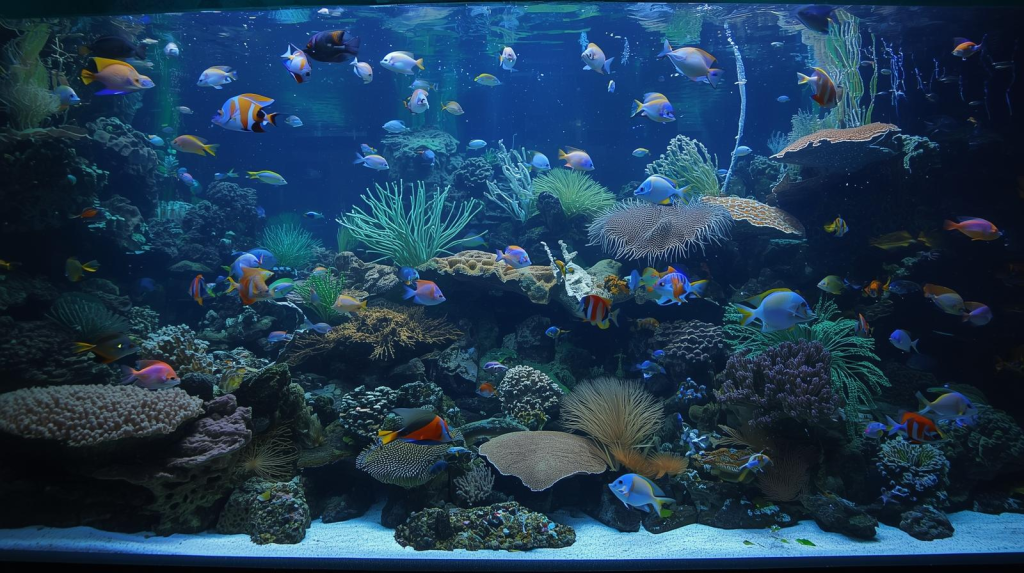

Keeping your aquarium clean is one of the most important parts of fishkeeping. Learning how to clean aquarium filters and gravel safely not only keeps the water crystal clear but also ensures your fish live in a balanced, healthy environment. Many new aquarists make the mistake of overcleaning, which can do more harm than good. Let’s go step-by-step through how to clean your filters and gravel without disrupting the delicate ecosystem inside your tank.
Why Cleaning Your Aquarium Matters
Every aquarium is a miniature ecosystem. Fish release waste, food breaks down, and algae grow naturally. Over time, all this contributes to the build-up of toxins like ammonia and nitrite. If left unchecked, these compounds can harm your fish and cloud the water.
Regular cleaning of your aquarium filters and gravel keeps these harmful substances in check. But there’s a balance to strike — clean too aggressively and you’ll destroy beneficial bacteria that keep the water chemistry stable. Think of your aquarium like a living city: too much cleaning wipes out the infrastructure that keeps everything running smoothly.
Understanding the Balance of a Healthy Tank
Before cleaning, it’s important to understand that your aquarium filter and gravel both harbor beneficial bacteria. These microscopic helpers break down fish waste and convert toxins into less harmful compounds.
A filter doesn’t just trap debris — it’s also home to colonies of bacteria vital for the nitrogen cycle. Meanwhile, your gravel acts as a natural filter bed, collecting organic waste that bacteria break down over time.
The goal is to clean just enough to remove visible waste while keeping those bacteria colonies alive and thriving.
Preparing to Clean Your Aquarium
Cleaning your aquarium safely starts with preparation. Rushing the process can cause stress to your fish or damage your filtration system.
Gather the Right Tools and Supplies
Before you start, gather everything you’ll need. Here’s a quick checklist to make cleaning easier and safer:
- A clean bucket used only for aquarium maintenance
- A gravel vacuum or siphon
- Dechlorinated water or conditioned tap water
- A soft brush or old toothbrush
- Aquarium-safe cleaning pads
- Water testing kit
Never use soap or detergents — even tiny residues can harm your fish. Instead, rely on plain water and aquarium-safe tools to get the job done.
When and How Often to Clean
Your cleaning frequency depends on your tank’s size, fish load, and filtration system. A general rule is:
- Filters: Clean every 2–4 weeks
- Gravel: Clean lightly during every partial water change (every 1–2 weeks)
If your water looks cloudy or your filter output slows down, it’s a sign that maintenance is due. However, don’t clean everything at once. Alternate between cleaning your filter and gravel to preserve beneficial bacteria.
How to Clean Aquarium Filters Safely
Cleaning filters correctly is essential for maintaining your aquarium’s biological balance.
Cleaning Sponge, Cartridge, and Biological Filters
Start by unplugging the filter and removing it from the tank. Using tank water (not tap water), gently rinse the filter media — whether it’s a sponge, cartridge, or ceramic ring. This prevents the chlorine in tap water from killing beneficial bacteria.
- Sponge filters: Squeeze them gently in a bucket of old tank water to remove debris.
- Cartridge filters: Rinse lightly or replace only when they’re breaking apart.
- Biological filters: Swish the media gently to remove sludge but don’t scrub it clean.
After cleaning, reassemble the filter and restart it once the tank water level is restored.
Avoiding Mistakes That Harm Beneficial Bacteria
A common mistake is rinsing filter media under running tap water. Chlorine and chloramine destroy beneficial bacteria almost instantly. Always use dechlorinated or tank water for cleaning.
Another issue is cleaning all filter components at once. Instead, clean one section at a time — mechanical media one week, biological media the next. This staggered approach ensures your aquarium’s ecosystem remains stable.
How to Clean Aquarium Gravel Without Stressing Fish
Gravel cleaning removes decaying food, waste, and algae that can pollute your water. Done right, it refreshes your tank without upsetting the fish.
Manual Cleaning vs. Gravel Vacuuming
If you have a small tank or sensitive fish, manual cleaning with a siphon is usually best. For larger tanks, a gravel vacuum makes the process faster and more thorough.
A gravel vacuum works by creating suction to lift debris from the gravel while leaving the gravel itself in place. This allows you to remove waste during a partial water change — two maintenance tasks completed at once.
Steps to Clean Gravel During Partial Water Changes
- Turn off heaters and filters to avoid damage.
- Insert the gravel vacuum into the tank, allowing it to fill with water.
- Start the siphon and plunge the vacuum into the gravel, moving it slowly.
- Let debris rise into the hose while gravel falls back down.
- Work in sections, cleaning about one-third of the gravel at a time.
Avoid cleaning all the gravel in one session — leaving some untouched areas preserves bacterial balance. After cleaning, refill the tank with conditioned water at the same temperature as before.
Aftercare and Maintenance Tips for Crystal Clear Water
Once your aquarium filters and gravel are clean, the next step is maintaining that clarity.
Monitoring Water Parameters and Fish Health
Regularly test your aquarium water for ammonia, nitrite, nitrate, and pH. Even small changes can stress fish. If your fish are gasping at the surface or acting sluggish, it may indicate poor water quality.
Adding a water conditioner after every change helps neutralize harmful chemicals and keeps your tank safe. Also, observe your fish closely for signs of stress, such as rapid gill movement or loss of color.
Finally, consider adding live plants — they act as natural filters and help stabilize the tank ecosystem.
Common Mistakes to Avoid When Cleaning Your Tank
Even experienced aquarists sometimes overdo cleaning. Avoid these common pitfalls:
- Using tap water directly to rinse filter media.
- Replacing all filter media at once, killing beneficial bacteria.
- Vacuuming all gravel in one go, disrupting bacterial colonies.
- Cleaning too often, which can unbalance the nitrogen cycle.
- Ignoring the filter output, which signals when maintenance is needed.
Taking a careful, balanced approach ensures your fish stay healthy and your aquarium water stays clear.
Conclusion
Learning how to clean aquarium filters and gravel safely is about balance — not perfection. The goal isn’t to make your tank spotless but to create a stable, healthy environment for your fish to thrive. With regular maintenance, the right techniques, and a little patience, your aquarium will reward you with sparkling water and happy, vibrant fish.
FAQ
1. How often should I clean aquarium filters and gravel?
Filters should be cleaned every 2–4 weeks, while gravel can be vacuumed lightly during every partial water change.
2. Can I use tap water to clean my aquarium filter?
No. Tap water contains chlorine that kills beneficial bacteria. Always use tank water or dechlorinated water instead.
3. Should I remove my fish before cleaning the gravel?
Usually not. Fish can stay in the tank as long as cleaning is gentle and partial. Avoid large disturbances.
4. What happens if I overclean my aquarium?
Overcleaning removes beneficial bacteria, leading to ammonia spikes and stressed fish. Always clean in moderation.
5. Can I clean filters and gravel on the same day?
It’s better to alternate — clean the filter one week and the gravel the next to maintain bacterial balance.