
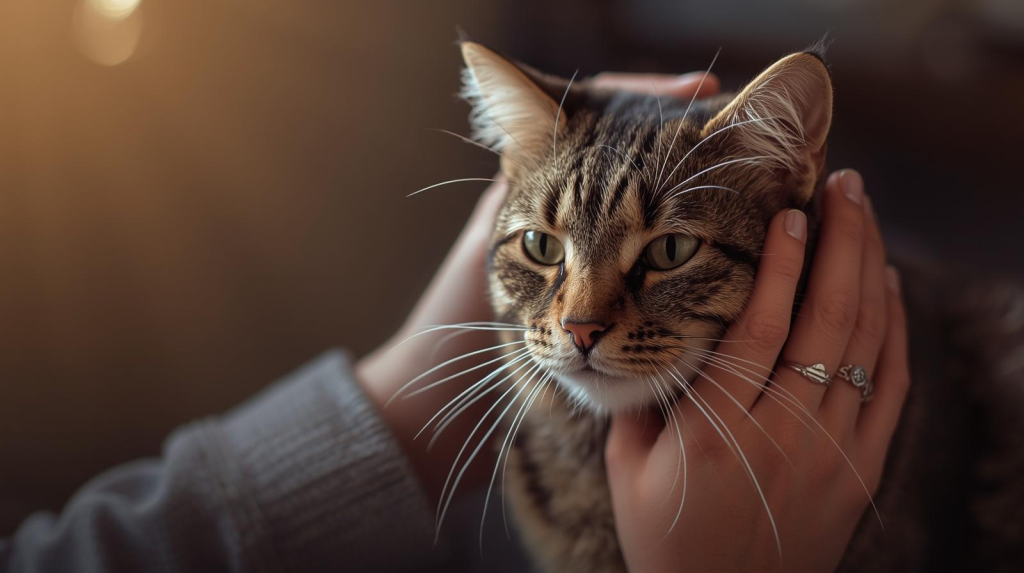

Forming a deep emotional bond with your cat is one of the most rewarding parts of pet ownership. Cats may be known for their independence, but beneath that self-assured exterior lies a creature capable of genuine affection and attachment. The secret? Learning how to communicate, respect boundaries, and nurture trust every single day.
Understanding the Cat Human Bond
The cat human bond is built on mutual respect and consistency. Unlike dogs, who naturally crave pack dynamics, cats form attachments in more subtle and individual ways. Your cat’s affection might show through head bumps, slow blinks, or simply choosing to nap near you. These quiet gestures signal comfort and connection.
Cats are emotional beings. They notice your routines, voice tone, and even your moods. When they feel safe and loved, they begin to see you as part of their social group. Strengthening this bond means becoming a source of security, calm, and positivity in your cat’s world.
Start with Trust and Patience
If there’s one word that defines the cat human bond, it’s trust. Cats need to know you’re safe before they open up emotionally. This takes time—especially if your cat is shy, anxious, or new to your home.
Start small. Sit quietly near your cat without touching. Let them come to you on their own terms. Avoid sudden movements or loud noises that might startle them. Speak softly, using their name often. Cats recognize familiar tones and associate them with feelings of safety.
Over time, your calm presence helps your cat associate you with comfort. Once they start approaching you voluntarily—whether for play, food, or curiosity—you’ll know that first layer of trust has been built.
Create Predictable Routines
Cats thrive on predictability. A strong human bond forms more easily when your cat feels secure in their daily environment. Feed them at the same times each day. Keep litter boxes, food dishes, and favorite resting spots consistent.
When your cat knows what to expect, anxiety decreases. They begin to view you as the reliable center of their world. This steady rhythm reinforces emotional stability and builds trust naturally.
Even small rituals can strengthen your connection. Morning greetings, gentle brushing sessions, or nightly playtime before bed all reinforce the cat human bond. These patterns tell your cat, “You can depend on me.”
Use Play to Build Connection
Playtime is one of the best ways to strengthen your cat human bond. Interactive play activates your cat’s natural instincts—stalking, pouncing, and chasing—while connecting those positive emotions directly to you.
Use wand toys, feather teasers, or laser pointers to engage your cat in active play. Let them “win” often by catching the toy. It satisfies their hunting drive and makes them feel successful. Afterward, reward your cat with gentle praise or a treat. This simple routine builds trust, fun, and affection all at once.
Cats who play regularly with their humans tend to be more social, confident, and affectionate. They begin to associate your presence with joy and excitement—a powerful foundation for any human bond.
Respect Their Space and Boundaries
One of the biggest mistakes cat owners make is forcing interaction. Unlike dogs, cats value independence. Trying to hold, pet, or cuddle when they’re not in the mood can damage trust. Instead, observe body language closely.
When your cat flicks its tail sharply, flattens its ears, or walks away, it’s asking for space. Respect that request. By honoring their boundaries, you communicate that you’re trustworthy—a key step in deepening the cat human bond.
In time, respecting boundaries actually encourages closeness. Cats who feel understood return affection more freely because they know it’s their choice, not yours.
Communicate with Gentle Cues
Cats are masters of subtle communication. Strengthening your cat human bond means learning their language and responding thoughtfully. Try slow blinking—a soft gaze followed by a gradual eye close. Many cats interpret this as “I trust you.” You’ll often see them return the gesture.
Use your voice gently. Speak in soft, melodic tones. Cats recognize familiar voices and associate them with emotional states. If your tone is calm and reassuring, your cat feels secure.
Touch also communicates volumes. Start with brief, gentle strokes around the head or under the chin. Avoid sensitive areas like the belly until your cat clearly invites it. Over time, these touches reinforce positive connection and affection.
Nurture Affection Through Routine Care
Caring for your cat is about more than feeding and grooming—it’s about emotional investment. Daily care routines are opportunities to bond. Brush your cat regularly to reduce shedding and increase comfort. Many cats come to love grooming time as a moment of shared peace.
During feeding, talk softly. Let your cat hear and recognize your voice in positive contexts. Use this time to connect—say their name, give small treats, or stroke their fur gently. Cats quickly associate these moments with warmth and trust.
If your cat enjoys lap time, create a calm setting. Avoid distractions, and let them choose when to sit with you. These quiet moments of closeness often strengthen the cat human bond more than anything else.
Recognize and Reward Affection
Cats express affection in ways that differ from ours, but they’re no less meaningful. Purring, kneading, rubbing against your leg, or bringing you a toy are all signs of trust and love. Acknowledge these gestures with gentle praise or a kind word. Cats respond positively to calm acknowledgment.
When your cat shows affection, reward it—verbally or with touch. Consistent positive reinforcement teaches your cat that love and trust are reciprocated. Over time, this builds emotional depth into your relationship.
Build a Safe and Enriching Environment
A secure environment nurtures emotional bonding. Cats need both mental stimulation and physical comfort to feel at ease. Provide scratching posts, climbing trees, and cozy sleeping spots. These features let your cat express natural behaviors while feeling safe at home.
Environmental enrichment also prevents boredom and stress. Rotating toys, creating window perches, or hiding treats for exploration keeps your cat mentally sharp and emotionally satisfied. When your cat feels fulfilled, they’re more relaxed and affectionate toward you.
A strong cat human bond depends as much on environment as emotion. When your home becomes your cat’s safe haven, you naturally become part of that sanctuary too.
Use Positive Reinforcement
Cats respond best to kindness and patience—not punishment. Negative reactions can break trust quickly. Instead, reward good behavior with treats, play, or verbal praise. This approach teaches your cat that cooperation brings comfort and safety.
If your cat misbehaves, redirect instead of scolding. For example, if they scratch furniture, move them to a scratching post and praise when they use it. Over time, your cat learns that you’re a guide, not a threat. This positive structure strengthens your mutual trust and affection.
Be Present and Attentive
Your cat notices when you’re engaged. Spend quality time with them daily—even just ten minutes of focused interaction can make a difference. Put away distractions and be fully present. Watch how they move, listen to their purrs, and respond to their needs with empathy.
Cats appreciate subtle attention. They might curl beside you while you read or sleep at your feet during work. These quiet moments of companionship deepen your emotional bond, showing your cat that you value their presence.
Understanding Cat Personalities
Not every cat bonds in the same way. Some are social butterflies who follow you everywhere. Others are independent spirits who prefer quiet companionship. Respect your cat’s personality. Forcing closeness with a reserved cat may create stress instead of affection.
Observe what your cat enjoys most—whether it’s play, brushing, or sitting quietly nearby. Cater your interactions to their comfort zone. When your cat feels understood, they respond with greater trust and emotional warmth.
Deepening the Bond Over Time
The cat human bond doesn’t form overnight. It grows stronger with every positive interaction. Over months and years, your cat will come to associate you with comfort, care, and joy. That’s when real love blossoms—when your cat chooses to trust you fully, knowing you’ve earned it.
Celebrate small milestones: the first time your cat purrs on your lap, the first time they greet you at the door, or the day they start sleeping beside you. These moments are the heart of your bond—a reflection of mutual affection and trust that words can’t fully capture.
Conclusion
Building a strong cat human bond is about consistency, respect, and love. Your cat doesn’t just need food or shelter—they crave understanding and trust. By honoring their boundaries, engaging in playful connection, and creating a calm environment, you build more than a relationship—you build a lifelong friendship rooted in mutual respect.
Cherish the quiet moments, the slow blinks, and the gentle purrs. They’re your cat’s way of saying, “You’re my person.”
FAQ
1. How long does it take to form a strong bond with a cat?
It can take weeks to months, depending on your cat’s personality and past experiences. Consistency, patience, and respect speed up the process.
2. What are signs that my cat trusts me?
Slow blinking, purring, kneading, and choosing to sleep near you are clear signs of trust and affection.
3. Can older cats form strong bonds with humans?
Absolutely. Age doesn’t prevent bonding. Older cats often form deep attachments once they feel secure and cared for.
4. How can I rebuild trust if my cat seems afraid of me?
Give them space, speak softly, and avoid forced contact. Use treats and calm behavior to reestablish safety and comfort.
5. Why does my cat follow me around the house?
That’s a sign of affection and curiosity. It means your cat enjoys your presence and feels secure being near you.