
Every dog deserves a place where stress fades away. If your furry friend struggles with anxiety, creating a calming space can transform their mood and well-being. Whether your dog fears thunderstorms, new visitors, or separation, a secure and soothing environment can make a world of difference.
Let’s explore how to design a calming space for your anxious dog—one that encourages trust, rest, and relaxation.
Understanding Why Dogs Feel Anxious
Before you build a calming space, it helps to understand what causes anxiety in dogs. Anxiety often stems from fear, uncertainty, or lack of control. Common triggers include loud noises, unfamiliar environments, separation from owners, or past trauma.
You might notice your dog pacing, whining, hiding, or even shaking. These are clear signs your pet needs reassurance and consistency. Dogs, much like humans, crave predictability when they feel unsafe. A designated calming space helps anchor them to something familiar and secure.
Choosing the Right Location for Calm
The first step is selecting where this special area should be. Choose a quiet, low-traffic part of your home—somewhere your dog can retreat without being disturbed. Avoid areas near windows or doors where outside sounds or sights might increase anxiety.
Bedrooms, laundry rooms, or cozy corners in the living room often work well. The goal is to make your dog feel protected, not isolated. Think of it as their personal den—a place where peace outweighs noise.
If you live in a small apartment, you can still create calm by designating a specific spot using a playpen or room divider. The key is consistency—your dog should know this is their safe zone every time they need comfort.
Creating the Perfect Comfort Zone
Comfort is at the heart of every calming space. Start with the basics: a soft bed, a few blankets, and maybe one of your worn shirts for scent familiarity. Dogs find reassurance in their owner’s smell—it reminds them they’re not alone.
Consider adding a crate if your dog already views it as a safe place. Leave the door open to allow freedom of movement. Covering the crate partially with a blanket can also reduce visual stimulation and create a cave-like feel that dogs naturally love.
Add familiar toys and chew items, but don’t overcrowd the space. Too much clutter can overwhelm an anxious dog. Less is often more when designing an environment meant for relaxation.
Controlling Sound and Light for Serenity
Noise and lighting play huge roles in your dog’s emotional comfort. Soothing background sounds can mask external noises that cause stress. Try gentle instrumental music, white noise machines, or calming dog playlists available online.
Avoid bright, harsh lighting in this area. Soft, dimmed light helps your dog feel safe and relaxed. Natural light during the day is ideal, but at night, a warm, low lamp can maintain a peaceful atmosphere.
If your dog reacts strongly to thunder or fireworks, soundproofing can help. Thick curtains, rugs, and furniture placement can reduce noise levels and create a cocoon-like feel.
Incorporating Calming Scents and Tools
Smell has a powerful effect on a dog’s emotions. Certain scents, like lavender and chamomile, are known to promote relaxation. You can use pet-safe essential oil diffusers or sprays—but make sure they’re specifically made for dogs, as some essential oils can be toxic.
Another great option is an anxiety wrap or weighted vest. These gently hug your dog’s body, providing comfort similar to being held. Pair this with soft music or gentle words of reassurance for a deeper calming effect.
You might also consider pheromone diffusers that mimic natural calming signals. These can make your dog feel more at ease in their safe space.
Establishing a Relaxing Routine
Even the best calming space won’t work if it’s used inconsistently. Dogs thrive on routine, especially anxious ones. Incorporate their safe space into daily life—after walks, during storms, or when guests arrive.
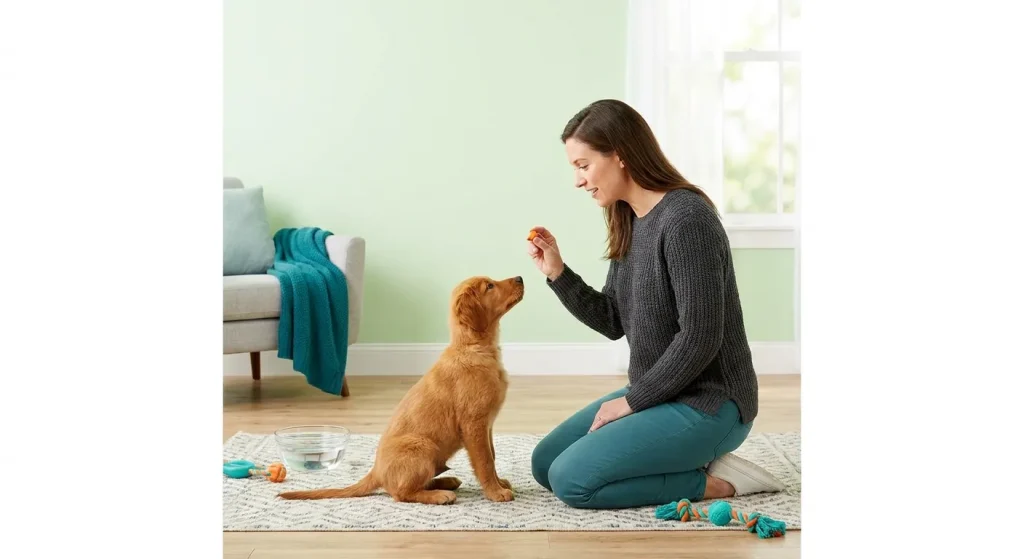
Use positive reinforcement. Encourage your dog to enter the space voluntarily by rewarding calm behavior with gentle praise or treats. Over time, your dog will associate the area with peace instead of fear.
Consistency builds trust. If your dog knows that quiet time in their calming zone always feels good, they’ll start seeking it out naturally whenever anxiety hits.
Supporting Calm Through Connection
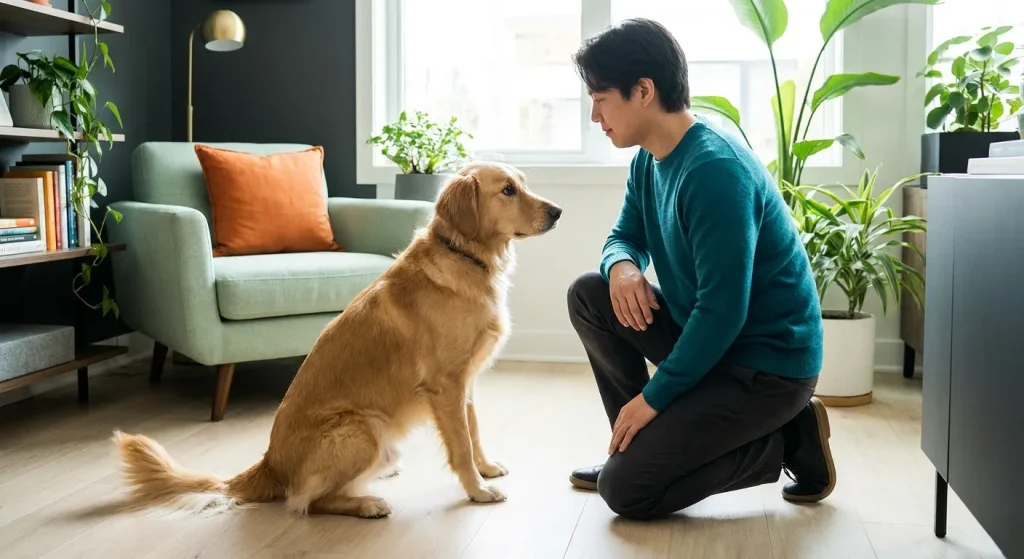
Your presence plays an important role in helping your dog relax. Sometimes, just sitting near their calming space can reassure them. Soft speech, gentle petting, or slow breathing exercises can help your dog mirror your calm energy.
Avoid forcing contact, though. Give your dog the choice to approach or retreat. Respecting their boundaries strengthens trust. Remember, your calmness becomes contagious—your energy sets the tone for how your dog feels.
If anxiety persists or worsens, consult your vet or a certified animal behaviorist. They can recommend behavioral therapies or safe supplements to complement your calming space efforts.
Maintaining the Space Over Time
Like any part of your home, your dog’s calming area will evolve. Keep it clean, fresh, and inviting. Wash bedding regularly and check for wear on toys or mats.
You can also make small seasonal adjustments. For example, in summer, ensure good airflow to prevent overheating. In winter, add an extra blanket or heating pad for warmth.
Most importantly, maintain the emotional purpose of the space—it should always feel like a sanctuary, not a punishment zone. Never use it for time-outs or scolding. It’s a retreat, not a corner for correction.
Conclusion
Building a calming space for your anxious dog isn’t about luxury—it’s about emotional security. It’s the difference between panic and peace, between trembling and trust. With the right location, comfort, sensory balance, and routine, your dog can find the serenity they deserve.
When your dog finally curls up, exhales deeply, and drifts to sleep in their cozy corner, you’ll know you’ve done something extraordinary. You’ve built them not just a space—but a sense of safety.
FAQ
1. How can I tell if my dog is anxious?
Look for signs like trembling, pacing, whining, hiding, or destructive behavior. These indicate stress or fear.
2. Where is the best place to set up a calming space?
Choose a quiet, low-traffic area like a bedroom or laundry room. Avoid noisy zones or areas near windows.
3. Can music really calm an anxious dog?
Yes. Soft instrumental or classical music helps mask loud noises and promotes relaxation in many dogs.
4. Should I leave my dog alone in their calming space?
Yes, but only if they feel comfortable. Give them the choice to enter or leave freely. Never force isolation.
5. What scents help calm dogs naturally?
Lavender, chamomile, and dog-safe pheromone sprays can create a soothing atmosphere when used properly.