
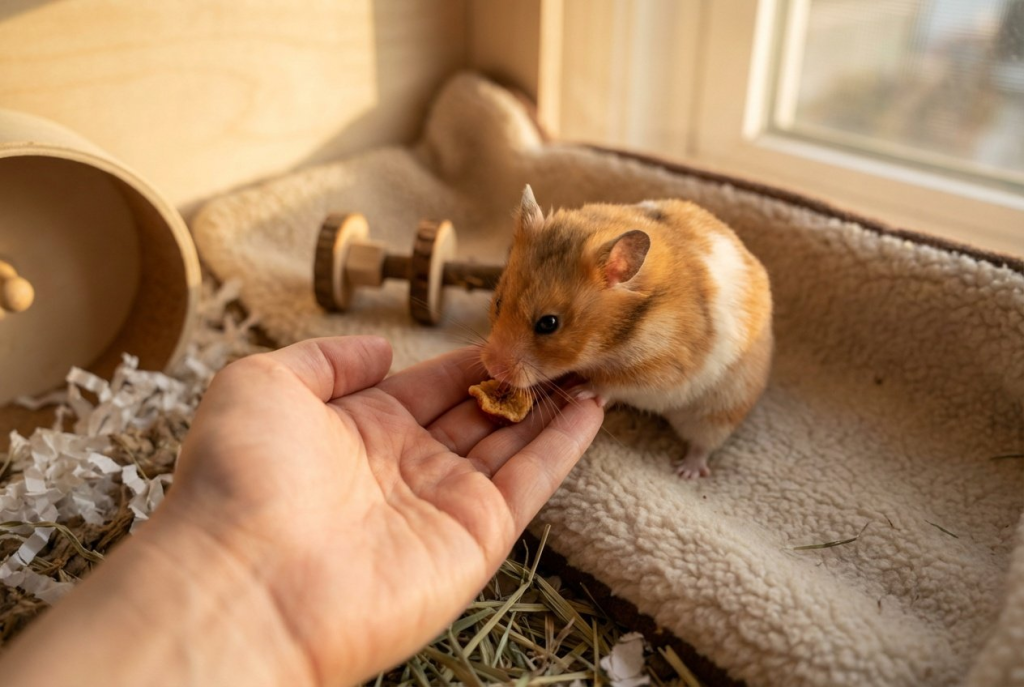

Forming a connection with a tiny, fast-moving pet may seem challenging at first. Hamsters and gerbils are prey animals by nature, which means they often start out cautious, alert, and unsure. Because of this instinct, building trust requires more care and patience than it might with a dog or cat. However, when you learn how to bond with your hamster, those small, hesitant steps eventually turn into affectionate behaviors, gentle interactions, and a stronger sense of companionship.
Hamsters and gerbils can learn to trust you deeply. They may greet you at the enclosure door, take treats from your hand, or even relax near you during playtime. These moments feel rewarding, and they become possible when you understand how your pet thinks. Unlike larger animals, hamsters and gerbils rely on subtle cues. They listen for soft sounds, watch for slow movements, and respond to predictable routines. Every small action you take influences their comfort level.
In this guide, you’ll explore how to bond with your hamster or gerbil in safe, confidence-building ways. You’ll learn how to approach them, how to read their body language, and how to create an environment where trust grows naturally. When you take your time and stay gentle, even the shyest hamster or gerbil begins to feel secure.
Why Learning to Bond with Your Hamster Matters
Before you try any bonding steps, it helps to understand why trust matters so much. Hamsters and gerbils depend on their instincts for survival. Even in a home environment, those instincts stay strong. Quick movements, unfamiliar smells, or loud noises can startle them instantly. Because of this, learning how to bond with your hamster becomes essential.
A strong bond leads to:
- More confident interactions
- Reduced stress and anxiety
- Easier handling
- Improved health through lower fear levels
- A more engaging relationship
When your hamster or gerbil trusts you, they approach you willingly instead of hiding. They allow handling with less discomfort. They may explore your hands or climb gently onto your palm. These behaviors show confidence, and confidence grows slowly through consistent, positive experiences.
Bonding also improves safety. A scared hamster is more likely to jump, run, or accidentally fall. However, a bonded hamster stays calmer and more controlled in your hands.
Create a Calm, Safe Environment First
A comfortable environment is the foundation of any effort to bond with your hamster or gerbil. Your pet must feel secure in their enclosure before they can feel brave enough to interact with you. Because hamsters and gerbils are sensitive, their environment influences every part of their behavior.
Start by ensuring:
- A large enough enclosure with plenty of space
- Deep bedding for burrowing
- Comfortable hiding houses
- A stable, quiet location
- Clean water and fresh food
- A predictable day-night cycle
When their habitat feels safe, your pet can relax. Relaxation makes bonding easier. If your hamster or gerbil is always on high alert, they won’t feel ready to connect with you. Creating stability sets the stage for trust.
Additionally, avoid sudden cage cleanings or rearranging everything at once. Gradual changes help your pet feel secure.
Use Your Voice to Build Recognition
Your voice becomes an essential bonding tool. Hamsters and gerbils may not understand words, but they recognize tone and rhythm. Speaking softly around their enclosure helps them learn that your presence is safe.
When you want to bond with your hamster, try:
- Talking to them during feeding
- Using a gentle, calm tone
- Repeating their name
- Speaking before reaching into the cage
This teaches them to associate your voice with predictable, positive experiences. Over time, your hamster or gerbil may come closer when they hear you.
Because voice recognition takes time, consistency matters. The more you speak calmly near them, the more familiar you become.
Let Your Pet Smell You Before Interacting
Scent is another powerful bonding tool. Hamsters and gerbils rely on scent to identify safety or potential danger. Because of this, you should allow them to smell your hands before beginning any interaction.
To strengthen your bond:
- Wash your hands before handling
- Avoid strong scents like lotions or perfumes
- Hold your hand still near the enclosure
- Allow your pet to approach at their own pace
If your hamster or gerbil sniffs, pauses, or steps back, do not chase them. Let them retreat without pressure. Trust grows when your pet learns you won’t force contact.
Offer Treats to Build Positive Associations
Treats play a big role when you’re learning how to bond with your hamster. Positive associations teach your pet that coming closer leads to something enjoyable. However, treats should be used carefully and not overfed.
Use tiny rewards like:
- Small fruit pieces
- Sunflower seeds
- Millet
- Dried herbs
- Mealworms (for some species)
Hold the treat in your open hand. Let your hamster or gerbil come to you without reaching toward them. This helps them remain in control. Over time, they may begin to take treats directly from your fingertips.
Once they trust your hand, you can slowly encourage them to step onto your palm. This step takes time but feels deeply rewarding.
Practice Slow, Gentle Movements
Quick or unpredictable movements startle small pets instantly. To bond with your hamster, you must move with intention. Always approach slowly, especially when reaching into the enclosure.
Keep in mind:
- Move your hand from the side, never from above
- Keep your fingers relaxed and open
- Avoid loud footsteps
- Lift objects slowly around your pet
Hamsters and gerbils feel safest when they can predict your actions. Consistency builds comfort. Comfort builds trust. Trust strengthens your bond.
Respect Your Pet’s Boundaries
A key part of bonding is knowing when to step back. Hamsters and gerbils need time to adjust. If they freeze, flatten their body, run to a hiding spot, or squeak softly, they’re telling you they’re overwhelmed.
Respecting these signals helps you bond with your hamster more effectively. Forcing interaction only increases fear.
Instead:
- Pause the session
- Speak gently
- Leave the area quieter
- Try again later
As your pet learns their boundaries are respected, they feel safer exploring interactions.
Start Handling Slowly and Carefully
Once your hamster or gerbil approaches you comfortably, you can begin gentle handling sessions. Handling helps you bond but must be done correctly. Sudden grabs can cause severe stress.
When handling for the first time:
- Scoop, don’t grab
- Keep your hands low to the ground
- Let them walk onto your palm
- Support their entire body
- Avoid squeezing
Begin with short sessions lasting around one minute. As your pet grows more confident, gradually increase the time. Regular, peaceful handling deepens your bond.
Use Playtime to Strengthen Your Relationship
Playtime outside the enclosure offers another chance to bond with your hamster or gerbil. A safe playpen or enclosed area allows your pet to explore freely while staying supervised.
During playtime:
- Sit on the floor
- Let your pet explore around you
- Place small tunnels or toys nearby
- Allow them to climb onto you if they choose
This hands-off approach encourages natural bonding. When your pet chooses to approach you, the trust becomes genuine and stronger.
Learn to Read Hamster and Gerbil Body Language
Understanding body language helps you avoid misunderstandings. Each species communicates differently, but both express stress, curiosity, and excitement through subtle movements.
A curious hamster may:
- Stand upright
- Sniff repeatedly
- Explore with slow steps
A stressed gerbil may:
- Tremble
- Flick its tail
- Hide urgently
Observing these behaviors helps you adjust your bonding approach. When you respond to their signals, your pet feels understood and respected. This encourages deeper trust.
Build a Predictable Routine
Routine is comforting for small pets. A predictable schedule reassures them and helps them trust you more quickly. If you want to bond with your hamster, consistency is essential.
Build a stable routine by:
- Feeding at similar times
- Speaking to your pet daily
- Offering treats at regular intervals
- Scheduling short bonding sessions consistently
The more predictable your interactions become, the easier bonding feels for your pet.
Create a Low-Stress Bonding Atmosphere
Reduce background noise during bonding. Loud TVs, barking dogs, or sudden household activity can disrupt progress. Calm surroundings help both you and your pet stay relaxed.
You can use:
- Dim lighting
- Soft voices
- Gentle background music
- Slow breathing to stay calm yourself
Small pets sense tension. When you stay relaxed, they respond with more confidence.
Be Patient—Bonding Takes Time
Patience remains the most important step when you want to bond with your hamster. Each pet learns at their own pace. Some warm up in days. Others require weeks or months.
Instead of focusing on speed, focus on progress. Every small milestone counts:
- Taking a treat
- Approaching your hand
- Sniffing your fingers
- Sitting calmly during handling
These moments show your pet is growing braver. Celebrate them and continue moving at a comfortable pace.
Conclusion
When you understand how to bond with your hamster, you create a relationship built on trust, patience, and gentle communication. Hamsters and gerbils can form strong emotional connections when given time and positive experiences. By speaking softly, offering treats, respecting boundaries, and creating a calm environment, you help your pet feel safe enough to explore your presence. Over time, the bond becomes natural and rewarding for both of you. With consistency and kindness, even the most cautious hamster or gerbil learns to relax in your hands and enjoy your company.
FAQ
1. How long does it take to bond with a hamster or gerbil?
It varies widely. Some pets bond within days, while others need several weeks.
2. What treats work best for bonding?
Small seeds, fruit pieces, mealworms, and millet are excellent bonding treats.
3. Why does my hamster run away from my hand?
They may still feel unsure. Move slower, speak softly, and let them control the pace.
4. Can bonded hamsters enjoy being held?
Many do, especially when handling is gentle and predictable.
5. Should I wake my hamster for bonding sessions?
No. Always bond during the hours when they are naturally awake and active.