
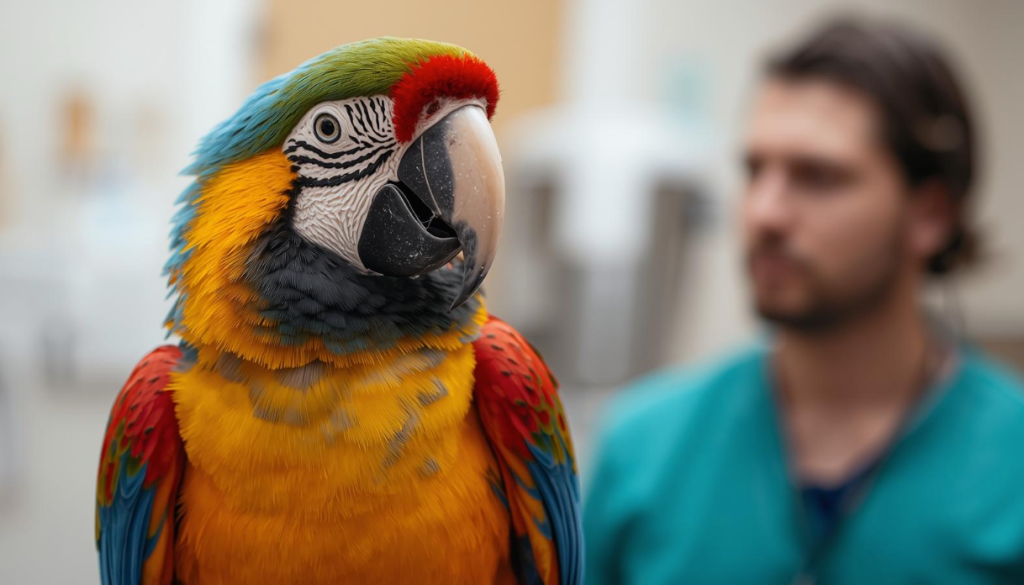

If you share your home with a parrot or pet bird, you’ve probably wondered how often bird vet visits are truly necessary. Birds don’t limp, whine, or slow down the way dogs do. Instead, they stay quiet. They stay composed. Sometimes, they stay sick without showing it.
That silence can be dangerous.
Birds evolved to hide weakness. In the wild, illness meant becoming prey. Even in a safe home, that instinct remains strong. By the time a bird looks sick, the condition is often advanced. That’s exactly why regular bird vet visits matter more than many owners realize.
Think of veterinary care as preventive maintenance. You don’t wait for smoke before checking the engine. Likewise, you shouldn’t wait for visible illness before seeing an avian vet. Proactive care protects your bird’s health, behavior, and lifespan.
So how often should parrots and birds see the vet? The answer depends on age, species, lifestyle, and health history. However, general guidelines apply to most companion birds.
Why Regular Bird Vet Visits Are Essential
Birds age faster than humans. One year can equal several human years, depending on species. That means changes happen quickly.
Regular bird vet visits allow veterinarians to establish a baseline. Weight, behavior, feather condition, and blood values are recorded. Over time, subtle changes become visible through comparison, not guesswork.
Many serious conditions begin silently. Liver disease, kidney issues, nutritional deficiencies, and infections rarely show early signs. Without routine exams, these problems remain hidden.
Additionally, birds benefit from professional observation. Owners know their birds well, yet trained eyes catch details others miss. Early detection improves treatment success and reduces stress for both bird and owner.
Preventive care saves lives.
How Often Should Healthy Adult Birds See the Vet?
For most healthy adult birds, annual bird vet visits are recommended. Once a year may sound infrequent, yet for birds, that interval is significant.
An annual exam includes a physical assessment, weight check, feather and skin evaluation, and behavioral discussion. Blood work may be performed to assess organ function. Fecal testing often screens for parasites or bacterial imbalances.
These visits help confirm that everything is normal. They also catch early warning signs long before symptoms appear.
Skipping annual checkups increases the risk of late diagnoses. By the time illness becomes obvious, treatment options may be limited.
One visit per year creates a safety net.
Bird Vet Visits for Young Birds and Chicks
Young birds need closer monitoring.
Newly acquired birds should see an avian vet within the first few weeks. This initial visit establishes health status and screens for contagious diseases. It also provides guidance on diet, housing, and socialization.
For chicks or recently weaned birds, bird vet visits may occur more frequently. Growth, feather development, and nutrition must be monitored carefully during this stage.
Early veterinary care builds a strong foundation. It also helps owners avoid common mistakes that lead to long-term issues.
Healthy beginnings shape healthy futures.
Senior Birds Require More Frequent Vet Care
As birds age, health risks increase.
Senior birds often benefit from bird vet visits every six months. Aging brings higher risk of arthritis, organ decline, hormonal changes, and mobility issues.
Because older birds hide discomfort well, subtle changes may go unnoticed at home. Veterinary exams detect early decline and allow adjustments to diet, supplements, and environment.
More frequent monitoring improves comfort and extends quality of life. Aging doesn’t have to mean suffering.
Senior care deserves extra attention.
Species Matters: Not All Birds Are the Same
Different bird species have different health profiles.
Small birds like budgies and finches have faster metabolisms. Illness progresses rapidly. Regular bird vet visits are especially important for these species.
Larger parrots, such as macaws and African greys, live longer but face species-specific issues. For example, African greys are prone to calcium deficiencies. Amazons often struggle with obesity.
An avian vet tailors care based on species. General veterinarians may lack this specialized knowledge.
Species-specific care improves outcomes.
Lifestyle Factors That Affect Vet Visit Frequency
Your bird’s lifestyle influences how often bird vet visits are needed.
Birds exposed to other birds, such as those in breeding environments or bird shows, face higher disease risk. More frequent checkups may be recommended.
Diet also matters. Birds on seed-heavy diets face nutritional imbalances. Regular monitoring helps prevent deficiency-related illness.
Environmental factors play a role too. Exposure to smoke, aerosols, or poor air quality increases respiratory risk.
Lifestyle awareness guides appropriate veterinary schedules.
Signs That Mean an Immediate Vet Visit Is Needed
While routine care is vital, emergencies happen.
Any sudden behavior change warrants attention. Reduced appetite, fluffed feathers, lethargy, or changes in droppings signal potential trouble.
Breathing difficulty is always urgent. Tail bobbing, open-mouth breathing, or wheezing require immediate care.
Feather plucking, sudden aggression, or balance issues also deserve prompt evaluation.
When in doubt, err on the side of caution. Birds decline quickly once symptoms appear.
Timely action saves lives.
The Role of Preventive Testing in Bird Vet Visits
Testing isn’t just for sick birds.
Routine blood work establishes normal ranges for your individual bird. Over time, changes become easier to detect.
Fecal exams screen for parasites and bacterial imbalance. Even indoor birds benefit from periodic testing.
Imaging may be recommended for certain species or ages. Radiographs reveal internal structures and early abnormalities.
Preventive testing transforms vet visits from reactive to proactive.
Knowledge becomes protection.
Nutrition Counseling During Vet Visits
Diet shapes health more than most owners realize.
Many birds suffer from malnutrition despite appearing healthy. Seed-only diets lack essential vitamins and minerals. Over time, deficiency leads to illness.
During bird vet visits, nutrition is evaluated carefully. Vets recommend appropriate pellets, fresh foods, and supplements.
Adjustments are made based on species, age, and health status.
Balanced nutrition supports immunity, energy, and longevity.
Behavioral Insights Gained at the Vet
Behavior reflects health.
During bird vet visits, veterinarians assess posture, vocalization, and interaction. Changes in behavior often reveal underlying issues.
Hormonal behavior, aggression, or anxiety may stem from environmental or medical causes. Addressing root problems improves wellbeing.
Behavioral discussions help owners understand their birds better.
Healthy minds matter as much as healthy bodies.
Why Avian Vets Are Essential
Not all vets treat birds.
Avian veterinarians receive specialized training. They understand bird anatomy, physiology, and behavior. They use appropriate equipment and techniques.
Birds require gentle handling and precise dosing. Mistakes can be fatal.
Choosing an avian vet ensures accurate diagnosis and safe treatment.
Expert care makes a difference.
Stress Reduction During Bird Vet Visits
Vet visits can be stressful. However, preparation helps.
Use secure carriers. Cover carriers lightly to reduce visual stress. Maintain calm energy.
Regular visits reduce fear through familiarity. Birds learn that vet trips aren’t always emergencies.
Stress management protects both emotional and physical health.
Calm visits lead to better outcomes.
Cost Versus Value of Regular Vet Care
Some owners avoid bird vet visits due to cost concerns.
Preventive care often costs less than emergency treatment. Early detection reduces expensive interventions later.
More importantly, regular care prevents suffering. Comfort and longevity carry value beyond money.
Investment in health pays dividends.
Building a Long-Term Relationship With Your Vet
Consistency matters.
Seeing the same avian vet builds familiarity. They learn your bird’s personality, history, and normal behavior.
Trust grows. Communication improves. Care becomes personalized.
A strong vet relationship supports lifelong health.
Conclusion
So, how often should parrots and birds see the vet? For most birds, annual bird vet visits are essential. Young birds may need early checkups. Senior birds often benefit from twice-yearly care. Lifestyle and species also influence frequency.
Birds hide illness remarkably well. Waiting for symptoms often means waiting too long. Regular veterinary care catches problems early, supports emotional wellbeing, and extends lifespan.
Your bird depends on you to notice what they cannot show. Routine vet visits ensure their silent needs never go unheard.
FAQ
1. Do indoor birds really need regular vet visits?
Yes, indoor birds still develop illness silently and benefit greatly from preventive care.
2. How often should parrots see an avian vet?
Most healthy parrots should see an avian vet at least once per year.
3. Are bird vet visits stressful for birds?
They can be, but regular visits and proper preparation reduce stress significantly.
4. What happens during a routine bird vet visit?
The visit includes a physical exam, weight check, behavioral assessment, and often blood or fecal tests.
5. Can a regular veterinarian treat birds?
Birds should be seen by avian veterinarians, as they have specialized training and equipment.