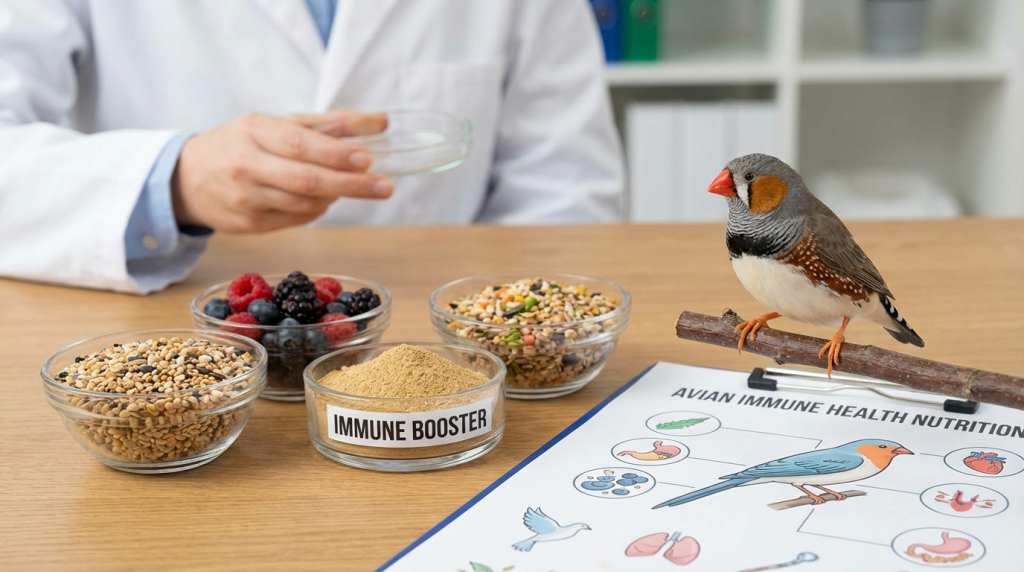

Your bird depends on you for more than companionship and care. Every meal you offer shapes how well their body can defend itself. While toys and clean cages matter, nutrition quietly works behind the scenes, strengthening the immune system day after day.
Bird immune health nutrition is not about expensive supplements or complicated formulas. Instead, it’s about balance, variety, and understanding what your bird truly needs. When nutrition is right, feathers shine brighter, energy improves, and illness becomes less frequent.
Food is not just fuel. It’s the foundation of resilience.
Why Bird Immune Health Nutrition Matters So Much
A bird’s immune system protects against bacteria, viruses, fungi, and parasites. When nutrition falls short, those defenses weaken. As a result, infections take hold faster and recovery slows.
Unlike wild birds, pet birds rely entirely on human-provided diets. That responsibility carries weight. Each nutrient supports a specific immune function. When even one is missing, the system struggles.
Strong immunity begins in the food bowl.
How Nutrition Supports the Avian Immune System
The immune system is complex. However, nutrition influences it in simple, predictable ways.
Proteins build immune cells. Vitamins regulate immune responses. Minerals support enzyme activity. Fats maintain healthy cell membranes. When these elements work together, immunity becomes efficient and responsive.
Bird immune health nutrition provides the raw materials the body needs to protect itself effectively.
The Role of Protein in Bird Immune Health Nutrition
Protein fuels growth, repair, and immune defense.
Why Protein Quality Matters
Not all protein sources offer the same benefits. Birds need amino acids to create antibodies and immune cells. Poor-quality protein lacks balance and limits effectiveness.
Seeds alone rarely provide sufficient amino acids. Because of that, reliance on seed-heavy diets often leads to weakened immunity.
Balanced protein supports strength from the inside out.
Healthy Protein Sources for Birds
Good options include:
- Pellets formulated for your bird species
- Cooked legumes such as lentils or chickpeas
- Small amounts of cooked egg
- Sprouted seeds
Variety ensures broader amino acid coverage.
Vitamins That Power Immune Function
Vitamins act like messengers. They guide immune responses and protect cells from damage.
Vitamin A and Immune Defense
Vitamin A maintains healthy skin and mucous membranes. These barriers block pathogens before they enter the body.
Deficiency often leads to respiratory infections and poor feather condition. Many birds lacking vitamin A show chronic illness signs.
Foods rich in vitamin A include carrots, sweet potatoes, and leafy greens.
Vitamin E and Antioxidant Protection
Vitamin E protects immune cells from oxidative stress. It also supports antibody production.
Birds consuming adequate vitamin E often recover faster from illness.
Nuts, seeds, and certain vegetables provide natural sources when balanced carefully.
Minerals and Bird Immune Health Nutrition
Minerals may be small, but their impact is significant.
Zinc and Iron Balance
Zinc supports wound healing and immune signaling. Iron plays a role in oxygen transport and energy.
However, balance is essential. Excess iron can cause serious health issues in some bird species.
Species-appropriate diets help maintain safe mineral levels.
Calcium’s Supporting Role
Calcium supports bone health and nerve function. It also assists immune cell activation indirectly.
Without enough calcium, stress increases. Stress weakens immunity.
Dark leafy greens and fortified pellets offer reliable sources.
Healthy Fats and Immune Resilience
Fats are often misunderstood. However, they are essential.
Why Birds Need Dietary Fats
Healthy fats maintain cell membranes. Strong membranes resist infection better.
Omega fatty acids also reduce inflammation. Controlled inflammation helps the immune system respond without overreacting.
Sources of Beneficial Fats
Good fat sources include:
- Flaxseed
- Chia seed
- Walnuts (in moderation)
- High-quality pellets
Fat balance matters. Excess leads to obesity, which strains immunity.
The Hidden Danger of Seed-Only Diets
Seeds appeal to birds. They’re tasty and familiar. Unfortunately, they are nutritionally incomplete.
Seed-heavy diets often lack vitamin A, calcium, and balanced protein. Over time, immune function declines.
Bird immune health nutrition improves dramatically when seeds become a supplement rather than a staple.
Gradual dietary transitions protect digestive health and reduce stress.
Pellets as the Foundation of Immune Nutrition
Pellets provide consistent nutrition. They are designed to meet species-specific needs.
Why Pellets Support Immunity
Pellets include balanced vitamins, minerals, and protein. That balance supports steady immune function.
While pellets alone are not enough, they create a strong nutritional base.
Fresh foods build on that foundation.
Fresh Foods That Strengthen Bird Immune Health Nutrition
Vegetables That Boost Immunity
Vegetables should make up a large portion of fresh offerings.
Top immune-supporting options include:
- Bell peppers
- Broccoli
- Kale
- Squash
- Green beans
Color variety increases nutrient diversity.
Fruits as Occasional Immune Support
Fruits offer antioxidants and hydration. However, sugar content limits frequency.
Berries, apples, and papaya provide benefits without excess sugar when served occasionally.
Moderation protects metabolic health.
Hydration and Immune System Support
Water is often overlooked. Yet hydration affects every bodily system.
Dehydration thickens mucus membranes. That change makes infection easier.
Fresh water should be available at all times. Bowls must be cleaned daily to prevent bacterial growth.
Clean water supports immune efficiency.
Gut Health and Bird Immune Health Nutrition
A large portion of the immune system resides in the gut.
Why Digestive Health Matters
Healthy gut bacteria support nutrient absorption. They also prevent harmful pathogens from gaining a foothold.
Poor diets disrupt gut balance. That disruption weakens immunity.
Supporting Gut Health Naturally
Fiber-rich vegetables and varied diets encourage healthy digestion.
In some cases, veterinarians recommend probiotics after illness or antibiotics.
Balanced nutrition maintains gut resilience naturally.
Stress, Nutrition, and Immune Suppression
Stress weakens immune responses quickly.
Changes in environment, noise, or routine elevate stress hormones. Those hormones interfere with immune cell function.
Proper nutrition buffers stress effects. Well-fed bodies recover faster from emotional challenges.
Bird immune health nutrition acts as a stabilizer during change.
Life Stage Nutrition and Immune Needs
Immune needs change over time.
Young Birds and Developing Immunity
Young birds require higher protein and nutrient density. Their immune systems are still learning.
Deficiencies at this stage have long-term effects.
Adult Birds and Maintenance Nutrition
Adults benefit from balanced maintenance diets. Stability supports consistent immunity.
Senior Birds and Immune Support
Older birds may absorb nutrients less efficiently. Adjustments may be needed.
Senior-friendly diets focus on digestibility and antioxidant support.
Common Nutritional Mistakes That Harm Immunity
Even loving owners make mistakes.
Overfeeding Treats
Treats create emotional bonds. However, excess treats displace balanced foods.
Nutritional gaps appear quietly.
Ignoring Species-Specific Needs
Different birds need different diets. What works for one species may harm another.
Research and veterinary guidance prevent mistakes.
How Illness Reveals Nutritional Weaknesses
Frequent illness often signals dietary imbalance.
Poor feather quality, slow healing, and lethargy point toward immune strain.
Adjusting nutrition often leads to noticeable improvement within weeks.
Food speaks loudly through health.
Supplements: When Are They Necessary?
Supplements can help, but they are not substitutes.
Veterinarians may recommend supplements during illness, recovery, or breeding.
Unnecessary supplementation risks toxicity.
Whole foods remain the safest primary source.
Building a Daily Feeding Routine for Immune Strength
Consistency reinforces health.
A typical immune-supportive routine includes:
- Pellets available daily
- Fresh vegetables offered each morning
- Fruits limited to a few times weekly
- Clean water refreshed daily
Routine reduces stress and supports digestion.
Monitoring Health Through Diet Changes
Pay attention to small changes.
Improved energy, brighter eyes, and better feather condition signal progress.
Adjustments should be gradual. Sudden changes cause stress.
Observation guides refinement.
Working With an Avian Veterinarian
Professional guidance matters.
Avian veterinarians understand species-specific immune needs. They help tailor diets based on age, health, and lifestyle.
Nutrition works best when paired with regular health checks.
Conclusion: Nutrition Is Your Bird’s First Line of Defense
Bird immune health nutrition shapes vitality every day. Each meal either strengthens defenses or weakens them quietly.
By offering balanced, varied, and species-appropriate foods, you give your bird the tools to thrive. Illness becomes less frequent. Recovery becomes faster. Energy returns.
Food is not just care. It is protection, resilience, and love served daily.
FAQ
1. Can diet really improve a bird’s immune system?
Yes, proper nutrition provides the building blocks needed for strong immune responses and disease resistance.
2. Are pellets better than seeds for immune health?
Pellets offer balanced nutrition, while seeds alone often lack essential vitamins and minerals.
3. How often should fresh vegetables be offered?
Fresh vegetables should be offered daily to support immune function and overall health.
4. Do birds need supplements for immune support?
Most birds meet their needs through balanced diets. Supplements are used only when recommended by a veterinarian.
5. Can poor nutrition make birds sick more often?
Yes, nutritional deficiencies weaken immune defenses and increase susceptibility to illness.