
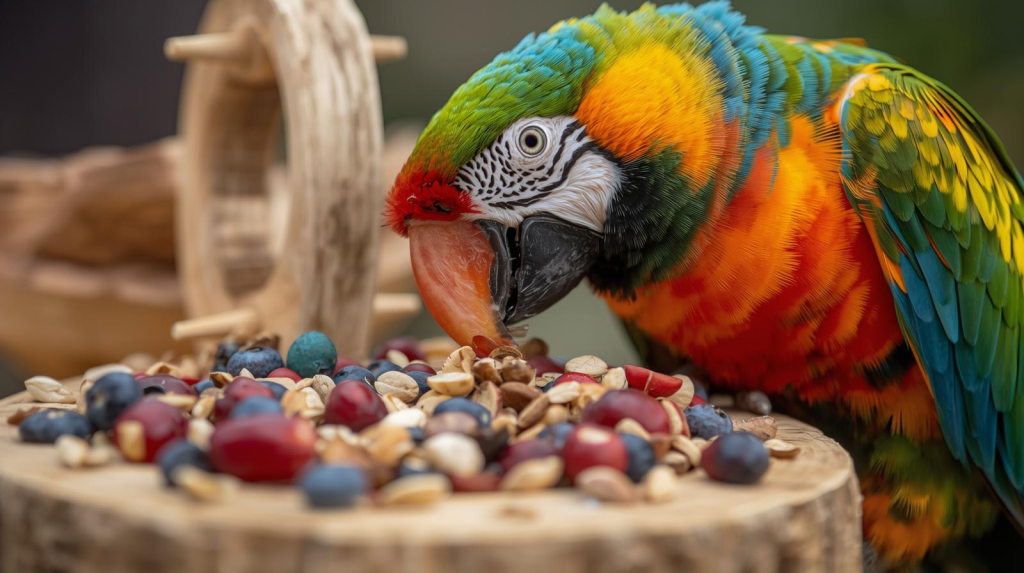

Pet birds are intelligent, energetic animals that thrive when both their bodies and minds stay active. In the wild, birds fly long distances, search for food, and interact constantly with their environment. However, life in captivity can reduce those natural opportunities for movement.
Because of this, bird exercise enrichment becomes essential for maintaining your bird’s health and happiness. Without enough stimulation, birds may develop boredom, stress, or destructive behaviors.
Fortunately, enrichment activities help recreate the challenges birds experience in nature. These activities encourage movement, exploration, and problem-solving. As a result, birds stay physically fit and mentally satisfied.
By using creative enrichment strategies, you can provide daily opportunities for exercise. Over time, your bird will develop stronger muscles, improved coordination, and greater emotional well-being.
Why Exercise Matters for Pet Birds
Exercise plays a major role in maintaining a bird’s physical and mental health. In nature, birds rarely remain still. Instead, they constantly fly, climb, forage, and interact with their surroundings.
When pet birds lack movement, several health problems may appear.
These can include:
• Obesity
• Muscle weakness
• Feather plucking
• Behavioral frustration
• Reduced lifespan
For this reason, bird exercise enrichment should become part of every bird owner’s daily routine.
Movement strengthens wings, improves balance, and supports cardiovascular health. At the same time, mental stimulation prevents boredom and anxiety.
Birds that receive regular enrichment tend to show more curiosity and playful behavior. Additionally, they often form stronger bonds with their caregivers.
Creating a stimulating environment helps replicate the complexity of the wild. Consequently, birds feel more confident and engaged in their home.
Understanding Natural Bird Behavior
Before designing enrichment activities, it helps to understand how birds behave naturally. Most bird species spend much of their day moving between perches, searching for food, and exploring new areas.
Because of these instincts, bird exercise enrichment should encourage natural movement patterns.
Typical wild behaviors include:
• Flying between branches
• Climbing and hanging upside down
• Tearing apart food sources
• Foraging for hidden treats
• Investigating new objects
Captive birds still possess these instincts. However, they need opportunities to express them safely.
When enrichment activities mimic natural behaviors, birds quickly become interested. As a result, they engage with their environment more actively.
Encouraging these instincts improves both physical health and emotional balance.
Create a Cage That Encourages Movement
The design of your bird’s cage greatly influences how much exercise occurs daily. A well-arranged cage encourages movement and exploration.
Therefore, bird exercise enrichment should begin with thoughtful cage setup.
First, include perches of varying sizes and textures. Natural wood branches help strengthen foot muscles while promoting climbing.
Place perches at different heights throughout the cage. This arrangement encourages birds to move frequently between locations.
Additionally, avoid overcrowding the cage with toys. Too many objects can limit space for movement.
Instead, rotate toys regularly. This method keeps the environment interesting while maintaining room for activity.
Also consider adding rope perches, ladders, or swings. These features create climbing challenges that support physical exercise.
When the cage environment changes periodically, birds remain curious and active.
Encourage Safe Out-of-Cage Exploration
While cage enrichment is helpful, birds also benefit from supervised freedom outside the cage. Flying or climbing in a safe room allows natural movement that cannot happen in confined spaces.
For this reason, bird exercise enrichment should include regular out-of-cage time.
Before allowing free exploration, bird-proof the environment carefully.
Remove hazards such as:
• Ceiling fans
• Open windows
• Toxic plants
• Electrical wires
• Small objects that may be swallowed
Once the room becomes safe, encourage your bird to move between play stands, perches, or furniture.
Training your bird to fly short distances between locations can become a fun daily activity.
Additionally, climbing structures provide opportunities for exercise when flight is limited.
These activities support both strength and coordination.
Use Toys That Promote Physical Activity
Interactive toys play a major role in encouraging movement. However, toys should challenge birds rather than simply occupy space.
Well-designed toys support bird exercise enrichment by stimulating both body and mind.
Examples of effective enrichment toys include:
• Climbing ropes and nets
• Hanging chew toys
• Foraging puzzle toys
• Swings and balance perches
• Shreddable materials
Birds enjoy tearing, climbing, and manipulating objects. Therefore, toys that allow these behaviors keep them engaged longer.
Rotate toys weekly to maintain interest.
When toys remain unchanged for long periods, birds may lose curiosity.
By introducing new textures and challenges, enrichment continues to feel exciting.
Introduce Foraging Activities
Foraging represents one of the most powerful enrichment methods for pet birds. In the wild, birds spend large portions of the day searching for food.
Therefore, bird exercise enrichment often includes hiding food or treats within toys or containers.
Foraging activities encourage birds to move, think, and explore.
Simple methods include:
• Placing treats inside paper cups
• Wrapping food in shredded paper
• Hiding seeds in puzzle toys
• Scattering healthy snacks around play areas
These activities mimic natural feeding behavior.
Instead of eating quickly from a bowl, birds must search and solve problems.
Consequently, they stay mentally stimulated while moving around their environment.
Encourage Flight Training
Flight provides one of the best forms of exercise for birds capable of flying. Even short flights strengthen wing muscles and improve cardiovascular health.
Because of this, bird exercise enrichment often involves gentle flight training sessions.
Start by encouraging short flights between two safe perches.
Offer treats or praise when your bird reaches the target.
Gradually increase the distance as confidence grows.
Some birds require time to rebuild flight strength, especially if they previously lacked space for movement.
Patience and positive reinforcement are essential during training.
Even birds that cannot fly due to clipped wings can participate in climbing or hopping exercises.
Movement of any kind helps maintain physical health.
Provide Climbing Opportunities
Climbing serves as another excellent form of bird exercise. Many species naturally climb branches, vines, and tree trunks.
Therefore, climbing structures are an important part of bird exercise enrichment.
Popular climbing features include:
• Rope ladders
• Natural branches
• Hanging nets
• Play gyms
• Multi-level stands
Birds enjoy moving between levels and exploring new angles.
Climbing activities strengthen leg muscles and improve coordination.
Additionally, climbing helps birds burn energy safely when flight space is limited.
Combining climbing structures with toys creates even more engaging environments.
Use Training as Enrichment
Training sessions provide mental stimulation while encouraging movement. Teaching simple behaviors strengthens your bond with your bird.
Moreover, training supports bird exercise enrichment by motivating birds to move actively.
Basic training ideas include:
• Target training
• Step-up practice
• Recall flights
• Object retrieval
• Turning or spinning on command
Short sessions work best.
Five to ten minutes of focused interaction can provide meaningful enrichment.
Positive reinforcement ensures the experience remains enjoyable.
Over time, birds often begin anticipating training sessions eagerly.
Rotate Enrichment to Maintain Interest
Birds quickly become accustomed to their surroundings. Therefore, repeating the same activities daily may reduce engagement.
To keep bird exercise enrichment effective, rotate toys and challenges regularly.
Consider creating several toy sets that you switch every few days.
This approach makes the environment feel new again.
Additionally, rearranging perches or play stands encourages exploration.
Even small changes can renew curiosity.
When birds encounter new challenges, they remain mentally and physically active.
Recognize Signs of Healthy Activity
Bird owners should monitor behavior to ensure enrichment activities remain effective.
Healthy birds typically show several signs of good physical activity.
When bird exercise enrichment works well, birds often display:
• Playful curiosity
• Frequent movement between perches
• Engagement with toys
• Bright eyes and smooth feathers
• Balanced energy levels
Conversely, lack of stimulation may lead to boredom or frustration.
Common warning signs include excessive screaming, feather plucking, or lethargy.
If these behaviors appear, increasing enrichment opportunities may help restore balance.
Build a Daily Enrichment Routine
Consistency helps birds feel secure while encouraging regular activity.
A structured routine ensures bird exercise enrichment occurs every day.
A healthy routine may include:
Morning flight or climbing session
Midday foraging activity
Afternoon toy interaction
Evening training session
Even brief activities can make a difference.
Regular engagement strengthens both physical health and emotional well-being.
Over time, birds begin anticipating these daily interactions.
This anticipation keeps them excited and mentally stimulated.
Conclusion
Providing regular bird exercise enrichment is one of the most important responsibilities of bird ownership. Active birds remain healthier, happier, and more mentally balanced.
By encouraging natural behaviors such as climbing, flying, and foraging, you recreate the stimulation birds experience in the wild.
Additionally, enrichment activities prevent boredom and destructive habits.
Simple changes like rotating toys, creating climbing structures, and offering training sessions can dramatically improve your bird’s quality of life.
With patience and creativity, you can transform your bird’s environment into a dynamic playground.
Ultimately, enrichment strengthens the bond between you and your bird while supporting a long, healthy life.
FAQ
1. How much daily activity do pet birds need?
Most birds benefit from several hours of movement and stimulation each day, including play, climbing, and supervised exploration.
2. What are the best toys for active birds?
Climbing ropes, shreddable toys, swings, and foraging puzzles encourage movement while stimulating curiosity.
3. Can birds exercise if they cannot fly?
Yes. Birds can climb, hop, and explore play gyms or ladders, which still provide valuable physical activity.
4. How often should enrichment toys be rotated?
Rotating toys every few days or weekly keeps the environment interesting and prevents boredom.
5. Why do birds become destructive without stimulation?
Without mental and physical challenges, birds may develop stress behaviors such as feather plucking or excessive screaming.