
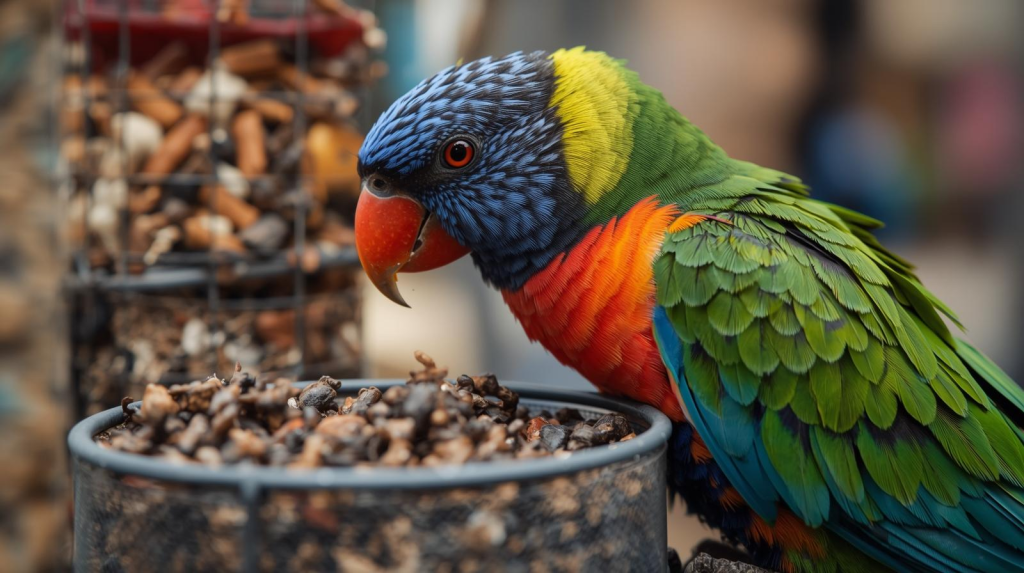

Feeding birds properly is one of the most important responsibilities for bird owners. Unfortunately, many well-meaning caretakers unknowingly make bird diet mistakes that can affect long-term health. While birds may appear healthy for a time, poor nutrition often leads to problems such as weak immunity, feather issues, or low energy.
Unlike wild birds that naturally forage for diverse foods, pet birds rely entirely on their owners for balanced nutrition. Because of this, even small feeding errors can gradually cause nutritional deficiencies.
Proper bird diets require variety, high-quality ingredients, and appropriate portion sizes. Additionally, different bird species have unique nutritional requirements.
By understanding the most common feeding mistakes, bird owners can prevent serious health issues. With a few adjustments to daily feeding habits, birds can enjoy stronger health, brighter feathers, and improved vitality.
Relying Too Heavily on Seed Diets
One of the most frequent bird diet mistakes involves feeding birds mostly seeds. While many birds enjoy seeds, they do not provide complete nutrition.
Seeds contain high levels of fat but lack many essential vitamins and minerals. Over time, a seed-only diet may cause obesity, vitamin deficiencies, and poor feather condition.
Instead of relying on seeds alone, birds benefit from a more balanced feeding plan. Pellets, fresh vegetables, and fruits provide essential nutrients that seeds cannot supply.
Many veterinarians recommend that seeds make up only a small portion of a bird’s overall diet.
Offering variety helps birds receive proper nutrition while still enjoying occasional seed treats.
Not Providing Enough Fresh Foods
Another common issue among bird diet mistakes is the lack of fresh fruits and vegetables. Many birds thrive when they receive a wide variety of plant-based foods.
Fresh produce provides vitamins, antioxidants, and natural fiber that support digestion and immune health.
Examples of healthy options include:
• Leafy greens
• Carrots
• Bell peppers
• Broccoli
• Apples (without seeds)
However, introducing fresh foods gradually helps birds adjust to new flavors.
Some birds may hesitate at first, but patience usually encourages curiosity.
Providing fresh foods daily supports long-term health and prevents nutritional deficiencies.
Offering Too Many Sugary Fruits
While fruits provide valuable nutrients, excessive fruit consumption can become one of the hidden bird diet mistakes many owners overlook.
Fruits naturally contain sugar, which birds should consume in moderation.
Too much sugar may contribute to weight gain or digestive imbalance.
Instead, fruits should complement vegetables and other nutritious foods.
Vegetables generally contain fewer sugars while offering higher nutrient density.
Balancing fruit intake with vegetables helps maintain stable nutrition.
Birds enjoy sweet flavors, but moderation ensures their diet remains healthy.
Ignoring Species-Specific Dietary Needs
Different bird species require different feeding approaches. Ignoring these differences is one of the more serious bird diet mistakes owners can make.
Parrots, finches, cockatiels, and other birds each have unique dietary requirements.
For example:
• Parrots require varied diets with pellets, vegetables, and fruits
• Finches often eat specialized seed blends and greens
• Lories require nectar-based diets
Feeding the wrong diet can result in nutrient deficiencies or digestive problems.
Researching the dietary needs of a specific species helps ensure proper nutrition.
Consulting an avian veterinarian can also provide valuable guidance.
Understanding species-specific diets helps prevent avoidable health issues.
Overfeeding Treats and Human Foods
Birds often show interest in human food, but feeding table scraps can create nutritional imbalances.
Among the most overlooked bird diet mistakes is offering too many treats.
Some human foods contain excess salt, sugar, or unhealthy fats.
Additionally, certain foods are toxic to birds, including:
• Chocolate
• Avocado
• Caffeine
• Alcohol
Even safe foods should only be offered in small portions.
Treats should complement a balanced diet rather than replace essential nutrients.
Maintaining proper feeding boundaries protects birds from accidental harm.
Lack of Dietary Variety
Birds in the wild consume diverse foods such as seeds, fruits, insects, and plants. However, limited diets are another common example of bird diet mistakes.
Feeding the same foods every day can lead to nutritional gaps.
Variety ensures birds receive a wide range of vitamins and minerals.
Additionally, diverse foods stimulate a bird’s natural curiosity and foraging instincts.
Rotating healthy food options keeps meals interesting and nutritionally balanced.
Introducing new foods slowly helps birds accept dietary variety.
A diverse diet supports both physical health and mental enrichment.
Poor Portion Control
Overfeeding can be just as harmful as underfeeding. Birds require relatively small food portions due to their size.
However, improper portion sizes represent another frequent bird diet mistakes.
When birds receive too much food, they may consume more calories than necessary.
This often leads to obesity and related health problems.
Monitoring food intake helps maintain a healthy body condition.
Many bird owners benefit from measuring portions instead of filling food bowls freely.
Providing appropriate serving sizes supports long-term health.
Neglecting Calcium and Mineral Needs
Calcium is essential for bone strength, nerve function, and egg production in birds.
Unfortunately, calcium deficiency is one of the hidden bird diet mistakes that may go unnoticed.
Birds that lack sufficient calcium may develop weak bones or reproductive problems.
Providing mineral sources helps prevent these issues.
Common calcium sources include:
• Cuttlebone
• Mineral blocks
• Calcium-rich vegetables
Balanced diets also support healthy mineral intake.
Ensuring birds receive adequate calcium strengthens skeletal health.
Not Providing Clean, Fresh Water
Water plays a crucial role in bird health. However, many owners overlook the importance of clean drinking water.
Failing to provide fresh water daily may contribute to bird diet mistakes that affect hydration and digestion.
Birds often contaminate water dishes with food or droppings.
Because of this, water should be changed frequently.
Clean water supports digestion and temperature regulation.
Providing multiple water sources may also encourage proper hydration.
Simple water maintenance helps prevent illness.
Feeding Only Commercial Pellets
Pellets often provide balanced nutrition. However, relying solely on pellets may still become one of the bird diet mistakes owners make.
Birds benefit from variety, even when pellets form the foundation of their diet.
Pellets supply vitamins and minerals, yet fresh foods provide additional nutrients and enrichment.
Combining pellets with vegetables, fruits, and occasional seeds creates balanced nutrition.
Birds also enjoy the stimulation of exploring different textures and flavors.
Providing varied foods supports both health and mental engagement.
Failing to Encourage Natural Foraging Behavior
In the wild, birds spend much of their time searching for food. Without opportunities to forage, captive birds may become bored.
Ignoring this natural behavior is another overlooked form of bird diet mistakes.
Foraging activities stimulate mental engagement and physical activity.
Owners can encourage foraging by:
• Hiding food in toys
• Offering puzzle feeders
• Placing vegetables in different areas
These strategies encourage birds to explore and remain active.
Mental stimulation helps prevent boredom-related behaviors.
Foraging also promotes healthy eating habits.
Conclusion
Avoiding bird diet mistakes plays a crucial role in maintaining the health and happiness of pet birds. Balanced diets that include seeds, pellets, fresh produce, and appropriate treats support strong immunity and vibrant feathers.
Providing variety, proper portions, and species-appropriate foods ensures birds receive essential nutrients. Additionally, maintaining fresh water and encouraging natural foraging behaviors improves both physical and mental well-being.
Bird owners who understand common feeding errors can make informed decisions that support long-term health.
With thoughtful care and balanced nutrition, pet birds can thrive and enjoy long, healthy lives.
FAQ
1. What is the healthiest diet for pet birds?
Most birds benefit from a balanced combination of pellets, fresh vegetables, fruits, and limited seeds.
2. Can birds eat fruit every day?
Yes, but fruits should be offered in moderation because they contain natural sugars.
3. Why should seeds not be the main diet for birds?
Seeds lack many essential vitamins and minerals needed for long-term health.
4. Are pellets better than seeds for birds?
Pellets often provide more balanced nutrition, although variety still improves overall diet quality.
5. How can I encourage my bird to try new foods?
Introducing new foods gradually and offering them alongside familiar items often increases acceptance.