
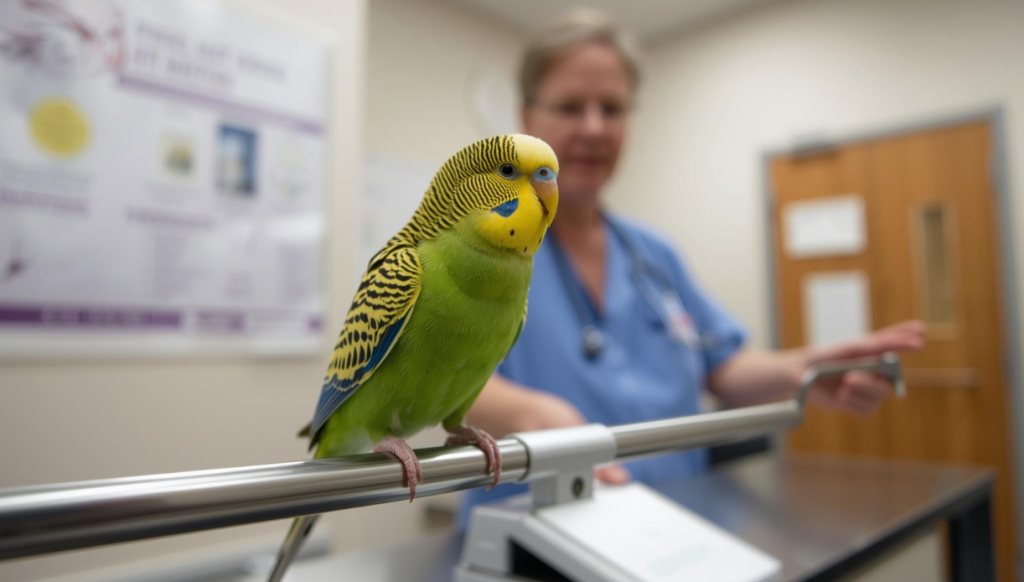
Taking your bird to the vet can feel stressful, especially when they seem perfectly healthy. After all, they’re eating well, vocalizing, and acting normal. So why schedule a bird annual vet exam at all?
The short answer is simple. Birds hide illness incredibly well. By the time symptoms appear, problems are often advanced. Annual exams exist to catch issues before they become emergencies.
Think of the bird annual vet exam as preventive maintenance rather than damage control. Just like servicing a car before warning lights flash, routine exams keep small problems from turning into major ones. When you know what to expect, the experience becomes far less intimidating for both you and your bird.
Why a Bird Annual Vet Exam Is So Important
Birds evolved to conceal weakness. In the wild, showing illness attracts predators. That instinct doesn’t disappear in captivity.
Because of this, outward signs of illness often appear late. Weight loss, organ disease, or infections can progress silently for months. A bird annual vet exam helps uncover these hidden issues early.
Additionally, birds age faster than humans. One year can equal several human years, depending on species. Skipping annual care means missing critical changes.
Preventive exams protect lifespan, comfort, and quality of life.
Preparing for Your Bird’s Annual Vet Exam
Preparation begins before you leave home.
Schedule the appointment with an avian veterinarian, not a general vet. Avian specialists understand bird anatomy, behavior, and stress management.
The night before, ensure your bird gets proper rest. Avoid major changes to routine. On the day of the visit, transport your bird in a secure carrier lined with a towel for comfort.
Bring notes about diet, behavior, and any changes you’ve noticed. Small details often matter more than you think.
Preparation reduces stress and improves exam accuracy.
What Happens When You Arrive at the Clinic
The clinic environment matters.
Most avian clinics prioritize quiet waiting areas. Loud noises increase stress quickly. Staff may take your bird directly to a treatment room to minimize waiting time.
Before the exam begins, you’ll usually discuss history. This conversation covers diet, housing, sleep, behavior, and previous medical concerns.
These details guide the rest of the bird annual vet exam.
Initial Visual Assessment
Before touching your bird, the veterinarian observes.
They assess posture, alertness, breathing, and feather condition from a distance. Subtle signs often reveal more than hands-on exams.
Is your bird perching evenly? Are eyes bright? Is breathing relaxed?
This initial assessment sets a baseline for physical handling.
Physical Examination Explained
The physical exam is gentle but thorough.
The vet carefully restrains your bird using proper technique to minimize stress. Each body part is checked systematically.
The beak is examined for overgrowth or deformity. Eyes and nostrils are checked for discharge. Ears are inspected when visible. Feathers and skin are evaluated for parasites or damage.
Wings, legs, and joints are assessed for mobility and pain. The abdomen is palpated gently to detect organ enlargement or masses.
This hands-on exam forms the core of the bird annual vet exam.
Weight Measurement and Body Condition Scoring
Weight tells an important story.
Birds are weighed on a gram scale during every annual exam. Even small changes can signal illness.
Body condition scoring evaluates muscle mass and fat distribution. A bird can appear normal while losing muscle internally.
Tracking weight over time helps detect trends early. That’s why consistent annual exams matter.
Beak, Nail, and Foot Health Checks
Beak and nail health affect daily comfort.
Overgrown beaks interfere with eating. Long nails cause balance issues. Foot pads are checked for pressure sores or infections.
If trimming is needed, it may be done during the visit. Proper maintenance prevents long-term problems.
Comfort supports natural behavior.
Listening to the Heart and Lungs
Bird hearts and lungs are delicate.
Using specialized equipment, the vet listens for abnormal sounds. Changes in rhythm or airflow may indicate infection or heart disease.
Respiratory issues often develop silently. Early detection improves outcomes significantly.
Listening reveals what eyes cannot see.
Discussion of Diet and Nutrition
Diet review is a key part of the bird annual vet exam.
The vet evaluates what your bird eats daily. Seed-heavy diets raise concerns immediately. Pellet-based diets with fresh vegetables are often recommended.
Nutritional deficiencies cause many preventable illnesses. Adjustments may be suggested based on species, age, and health.
Nutrition fuels every system in the body.
Behavioral Assessment During the Exam
Behavior reflects health.
The vet may ask about vocalization changes, aggression, lethargy, or feather plucking. These behaviors often indicate medical or environmental issues.
Behavioral patterns help connect physical findings to daily life.
Understanding behavior improves diagnosis accuracy.
Blood Work: When and Why It’s Recommended
Blood tests provide insight beneath the surface.
Not every bird needs blood work annually. However, baseline blood panels are often recommended, especially for new or aging birds.
Blood work evaluates liver, kidney, and immune function. It detects issues long before symptoms appear.
For senior birds, annual or biannual blood work becomes more important.
Testing turns prevention into precision.
Fecal Testing and Parasite Screening
Parasites aren’t limited to outdoor birds.
Fecal exams detect intestinal parasites, bacterial imbalances, and yeast overgrowth. These issues often cause subtle symptoms or none at all.
Routine screening prevents discomfort and disease spread.
Clean results provide peace of mind.
Imaging and Additional Diagnostics
Imaging isn’t routine for every bird annual vet exam. However, it may be recommended when concerns arise.
X-rays reveal internal structures, bone health, and organ size. Ultrasound may assess soft tissue abnormalities.
These tools provide clarity when physical exams raise questions.
Advanced diagnostics guide effective treatment.
Vaccinations: Are They Necessary?
Vaccination needs vary.
Unlike dogs and cats, birds have limited routine vaccines. However, some birds benefit from disease-specific vaccinations depending on exposure risk and location.
The vet discusses risks and benefits based on your bird’s lifestyle.
Personalized care prevents unnecessary intervention.
Stress Management During the Visit
Stress management matters.
Avian vets use gentle handling and efficient exams to reduce anxiety. Exams are kept brief when possible.
You may be asked to assist calmly if your bird responds better to familiar presence.
Reducing stress protects immune function.
What Happens After the Exam
After the exam, findings are discussed.
The vet explains observations, test results, and recommendations. This may include diet changes, supplements, or environmental adjustments.
If treatment is needed, options are discussed clearly.
You leave with a plan, not just information.
Common Findings During Bird Annual Vet Exams
Many findings are mild but important.
Early nutritional deficiencies, slight weight changes, or minor infections are common. These issues respond well to early treatment.
Catching them early prevents suffering later.
Prevention proves its value here.
How Often Birds Should Have Annual Exams
Most birds benefit from yearly exams.
Senior birds or those with chronic conditions may need exams every six months.
Young or newly acquired birds often require initial baseline exams.
Consistency supports long-term tracking.
Cost Expectations and Value
Costs vary by location and services.
While exams involve expense, preventive care costs far less than emergency treatment.
More importantly, routine care protects quality of life.
Value extends beyond money.
Building a Long-Term Relationship With Your Avian Vet
Consistency builds trust.
Seeing the same vet allows deeper understanding of your bird’s history and personality.
Trust improves care quality and communication.
Partnership supports lifelong health.
Signs You Should Schedule an Exam Early
Annual exams are standard, but certain signs warrant earlier visits.
Changes in appetite, droppings, behavior, or breathing should never be ignored.
Early action saves lives.
Helping Your Bird Recover After the Visit
After the exam, allow rest.
Return your bird to a quiet environment. Offer favorite foods and minimize handling.
Most birds recover quickly from the stress of travel and examination.
Comfort accelerates recovery.
Why Skipping Annual Exams Is Risky
Skipping exams delays detection.
Birds do not warn loudly. Waiting for symptoms often means waiting too long.
Annual exams exist because prevention works.
Conclusion
A bird annual vet exam is one of the most important responsibilities of bird ownership. These exams uncover hidden illness, guide nutrition, and support long-term wellness. Although birds may seem healthy, silent problems often develop unnoticed.
By committing to annual veterinary care, you choose prevention over crisis. You extend lifespan, improve comfort, and strengthen the bond with your bird. Knowing what to expect turns the experience from stressful to empowering. Prevention isn’t optional. It’s essential.
FAQ
1. Do healthy birds really need annual vet exams?
Yes, birds hide illness well, and annual exams detect problems before symptoms appear.
2. How long does a bird annual vet exam take?
Most exams last between 30 and 60 minutes, depending on testing needs.
3. Will my bird need blood work every year?
Not always, but baseline and senior birds often benefit from regular blood testing.
4. Is the exam stressful for birds?
Avian vets minimize stress through gentle handling and efficient procedures.
5. What should I bring to a bird annual vet exam?
Bring diet details, behavior notes, and a secure carrier to ensure a smooth visit.