
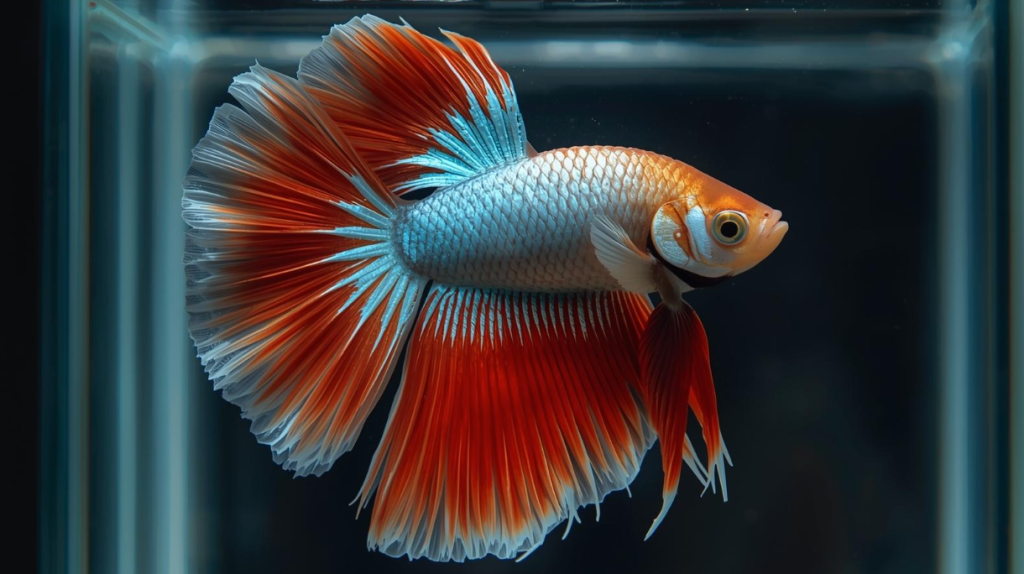

Betta fish are often sold as “easy pets.” You see them in tiny cups at stores, calm and colorful, which makes it easy to believe they don’t need much. However, that impression couldn’t be further from the truth. Betta fish care is simple, yet it must be done correctly.
When cared for properly, bettas live longer, display richer colors, and show curious, engaging behavior. On the other hand, poor care leads to stress, illness, and shortened lifespan. The difference lies in understanding their natural needs.
This guide breaks down betta fish care in a clear, realistic way. You’ll learn how to create the right environment, feed properly, prevent disease, and build a routine that keeps your betta thriving.
Understanding Betta Fish Behavior and Needs
Betta fish are intelligent and responsive.
In the wild, bettas live in warm, shallow waters with slow movement. Because of this, they prefer calm environments with stable conditions. They also breathe air using a labyrinth organ, which allows them to survive in low-oxygen water.
That adaptation does not mean they enjoy poor conditions. Instead, it means they require clean, warm water just like other tropical fish.
Understanding this balance is the foundation of proper betta fish care.
Choosing the Right Tank for Betta Fish Care
Tank size matters more than most people realize.
Although bettas can survive in small containers, survival is not the same as thriving. A minimum of five gallons is recommended for healthy betta fish care. Larger tanks offer more stable water parameters and reduce stress.
Additionally, space allows your betta to swim, explore, and display natural behavior. Think of the tank as a living space, not just a container.
More room equals better health.
Why Bowls Are Not Ideal for Bettas
Bowls create problems.
They are difficult to heat, hard to filter, and prone to rapid water quality changes. As a result, bettas in bowls often suffer from stress, fin rot, and shortened lifespans.
While bowls may look attractive, they compromise proper betta fish care.
Stability always beats appearance.
Water Temperature and Heating Essentials
Temperature is critical.
Bettas thrive in water between 76°F and 82°F. Below this range, their immune system weakens. Above it, metabolism accelerates too quickly.
A reliable aquarium heater is essential, even in warm climates. Water temperature fluctuates more than room temperature.
Consistent warmth keeps bettas active and healthy.
Filtration and Gentle Water Flow
Clean water supports life.
A gentle filter removes waste and stabilizes water chemistry. However, strong currents exhaust bettas because of their long fins.
Choose a low-flow filter or adjust output. Calm water mirrors their natural habitat.
Filtration improves betta fish care dramatically when done gently.
Water Quality and Cycling the Tank
Clean water isn’t just clear water.
Ammonia, nitrites, and nitrates build up quickly in uncycled tanks. These toxins burn gills and stress internal organs.
Before adding a betta, the tank should be cycled. This process establishes beneficial bacteria that break down waste.
Proper cycling prevents invisible dangers.
How Often to Change Water
Maintenance keeps conditions stable.
In a filtered tank, partial water changes of 20 to 30 percent should be done weekly. Smaller tanks require more frequent changes.
Use a water conditioner to remove chlorine and chloramine.
Consistency protects health.
Decor, Plants, and Enrichment
Environment shapes behavior.
Bettas enjoy plants, hiding spots, and soft décor. Live or silk plants work best, as plastic can tear fins.
Provide areas to rest near the surface. Bettas like lounging spots.
Enrichment reduces boredom and stress.
Lighting and Day-Night Cycles
Light affects rhythm.
Bettas need a regular day-night cycle. Excessive lighting causes stress, while darkness encourages rest.
Use aquarium lights for 8 to 10 hours daily. Turn them off at night.
Balance supports natural behavior.
Feeding Betta Fish Properly
Diet plays a major role in betta fish care.
Bettas are carnivores. High-quality betta pellets should form the foundation of their diet. Frozen or live foods like bloodworms and brine shrimp provide variety.
Feed small portions once or twice daily. Overfeeding causes bloating and water pollution.
Less food often means better health.
Signs of Overfeeding and Underfeeding
Observation matters.
An overfed betta may appear bloated or lethargic. Uneaten food clouds water quickly. Meanwhile, underfed bettas lose color and energy.
Adjust feeding based on behavior and appearance.
Your fish tells you what it needs.
Common Betta Fish Health Issues
Prevention beats treatment.
Common issues include fin rot, ich, swim bladder disorder, and fungal infections. Most problems stem from poor water quality or stress.
Clean water and proper diet reduce risk significantly.
Healthy environments prevent disease.
Recognizing Stress in Bettas
Stress shows itself subtly.
Clamped fins, dull color, hiding, or lethargy signal discomfort. Aggression toward reflections may increase under stress.
Identifying stress early allows quick correction.
Response time matters.
Tank Mates and Social Considerations
Bettas are territorial.
Male bettas should never be housed together. However, some peaceful tank mates may coexist in larger tanks.
Snails or shrimp are often safe options. Research compatibility carefully.
Social stress undermines betta fish care.
Male vs Female Betta Care Differences
Care is similar, behavior differs.
Females are generally less aggressive and can sometimes live in groups called sororities. However, sororities require experience and careful management.
Males are best kept alone.
Respect temperament.
Handling and Interaction
Minimal handling is best.
Bettas recognize owners and respond to movement. Interaction through feeding and observation builds trust.
Avoid removing bettas from water unnecessarily.
Gentle care builds confidence.
Cleaning the Tank Safely
Cleaning must be done correctly.
Never use soap or chemicals. Rinse decorations with tank water during changes.
Avoid complete water changes unless medically necessary.
Balance preserves beneficial bacteria.
Using Medication When Needed
Medication requires caution.
Always identify the problem before treating. Overmedication harms beneficial bacteria and stresses fish.
Follow instructions carefully and complete treatment courses.
Precision prevents complications.
How Long Betta Fish Live with Proper Care
Longevity reflects care quality.
With proper betta fish care, bettas live three to five years, sometimes longer. Poor conditions shorten lifespan dramatically.
Care directly influences time together.
Creating a Daily Betta Care Routine
Routine creates stability.
Daily checks include feeding, observing behavior, and ensuring equipment works. Weekly tasks involve water changes and cleaning.
Simple habits prevent big problems.
Consistency builds success.
Common Betta Fish Care Myths
Myths cause harm.
Bettas do not thrive in bowls. They do need heaters. They do not eat plant roots.
Correct information improves outcomes.
Education protects fish.
Why Betta Fish Make Great Pets
When cared for properly, bettas shine.
They display personality, recognize owners, and add beauty to any space. Their care is manageable and rewarding.
Good care unlocks their full potential.
Conclusion
Betta fish care is not complicated, but it is specific. Warm, clean water, adequate space, proper diet, and gentle handling form the foundation of a healthy betta’s life. When these needs are met, bettas reward their owners with vibrant color, active behavior, and surprising personality.
Keeping a betta healthy is about consistency, not perfection. By understanding their natural needs and respecting their limits, you create an environment where your betta doesn’t just survive, but truly thrives.
FAQ
1. How big should a betta tank be?
A minimum of five gallons is recommended for healthy betta fish care.
2. Do betta fish need a heater?
Yes, bettas require stable water temperatures between 76°F and 82°F.
3. How often should I feed my betta?
Feed small portions once or twice daily to avoid overfeeding.
4. Can betta fish live with other fish?
Some peaceful tank mates may work in larger tanks, but compatibility must be researched.
5. How can I tell if my betta is stressed?
Clamped fins, dull color, hiding, or lethargy are common stress signs.