
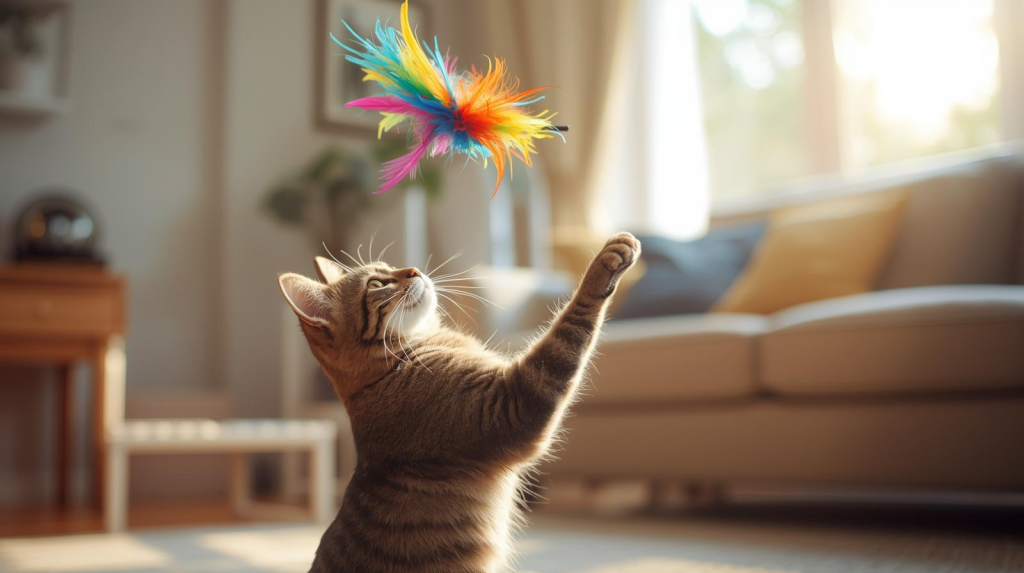

Cats may have a reputation for being independent, but deep down, they crave interaction, stimulation, and companionship. One of the most effective ways to nurture that connection is through play. The best games for cats aren’t just about entertainment—they’re about communication, trust, and shared joy.
Let’s explore the most engaging games that help strengthen your bond while keeping your feline friend active, happy, and mentally sharp.
Why Playing with Your Cat Matters
Play isn’t just fun—it’s a vital part of your cat’s well-being. Interactive games mimic the natural hunting instincts your cat depends on. When you play together, you’re speaking your cat’s language, using motion, timing, and touch to build emotional closeness.
Regular play sessions:
- Prevent boredom and destructive behavior.
- Encourage physical fitness.
- Reduce anxiety and aggression.
- Deepen your relationship through shared activity.
It’s not just a toy—it’s trust in motion.
Interactive Wand Toys: The Hunt in Action
Nothing captivates a cat’s attention quite like a wand toy. The swish, flutter, and unpredictable movement mimic prey. When you control the wand, you become part of the hunt—a partner in the chase.
Move it like a real animal. Let it hide behind furniture, dart around corners, and pause before “escaping.” This rhythm taps into your cat’s instincts and keeps them engaged.
Popular wand toy options include:
- Feather teasers – Great for agile jumps and quick paw strikes.
- Ribbon wands – Ideal for smooth, flowing motion and quieter play.
- Bug or mouse attachments – Perfect for cats who love stalking ground prey.
Always let your cat “catch” the toy at the end. That final pounce rewards their effort and builds satisfaction—an important trust-building moment.
Chase and Fetch Games: Yes, Cats Can Fetch!
You might think only dogs enjoy fetch, but many cats adore this game too. Use lightweight toys like crinkle balls, small plush mice, or even balled-up paper.
Start by tossing the toy a short distance. If your cat brings it back, praise them gently and toss again. Some cats will play for minutes, others only once—but either way, it reinforces positive engagement.
For extra fun:
- Try rolling the toy across the floor to engage your cat’s hunting drive.
- Use different textures and sounds to see which ones they love most.
- Keep sessions short but frequent for maximum bonding impact.
Hide-and-Seek: Building Curiosity and Trust
Hide-and-seek might sound simple, but it taps into your cat’s natural love for exploration. Hide behind furniture or peek from around corners, then call your cat or make a soft noise.
When your cat finds you, reward them with a treat or a gentle pet. This playful back-and-forth reinforces trust and curiosity.
You can also hide their favorite toys or treats around the house. Watching your cat sniff, search, and “hunt” them adds excitement to their day and keeps their senses sharp.
Pro tip: rotate the hiding spots daily to keep the game new and stimulating.
Puzzle Feeders and Food Games: Brain and Body Bonding
Food-based games are perfect for mental enrichment. Cats love a challenge, especially when it involves their favorite reward—treats.
Puzzle feeders make your cat “work” for food by nudging, pawing, or solving small tasks to release treats. This not only slows eating but also keeps their brain engaged.
Other food-based bonding ideas:
- Hide small treats under cups or in boxes.
- Use a treat-dispensing ball that releases snacks as it rolls.
- Create a “treasure hunt” by scattering kibble in safe play areas.
These games make mealtime more meaningful and build positive associations with you as the provider of fun and food.
Laser Pointer Games: Chase Without the Claws
Laser games are wildly popular for a reason—cats love the unpredictable dart of the light. It simulates prey movement and keeps even the laziest cat sprinting around the room.
However, use this game responsibly. Since the laser can’t be caught, end each session with a tangible toy or treat your cat can “catch.” This closure prevents frustration and helps maintain trust.
Tips for better bonding with lasers:
- Move the light slowly at first to mimic real prey.
- Avoid shining it directly in your cat’s eyes.
- Use positive verbal cues as your cat chases to strengthen your communication.
DIY Games for Cats: Creativity and Connection
You don’t need fancy toys to create fun. Household items can become playgrounds for your cat’s imagination.
Try these simple DIY games:
- Cardboard box maze: Cut holes in boxes for your cat to explore and peek through.
- Paper bag tunnels: Crinkly textures and dark spaces spark curiosity.
- Sock toys: Stuff a clean sock with catnip and tie the end for instant fun.
- Ping pong balls in the bathtub: The smooth surface adds unpredictability to the chase.
DIY playtime encourages creativity and builds a bond rooted in shared discovery. It’s less about the toy and more about the interaction.
Nighttime Games: Calm Play Before Sleep
Evening play can be a peaceful way to wind down together. Use slower, softer motions that relax rather than excite. A gentle feather toy, slow wand movements, or quiet petting sessions help release excess energy before bedtime.
Ending the day with calm play tells your cat they’re safe, loved, and ready to rest beside you. Over time, this ritual strengthens emotional connection and reduces nighttime restlessness.
Reading Your Cat’s Signals During Play
Bonding through games means paying attention. Each cat communicates differently—some prefer vigorous play, while others enjoy slow, stealthy sessions.
Watch for signs of excitement, overstimulation, or fatigue. If your cat’s tail flicks rapidly or ears flatten, it’s time for a break. Respecting these cues shows your cat that you understand and care for their comfort, deepening trust.
Balanced play teaches mutual respect. You lead, they follow, and together, you build harmony through motion.
Conclusion: Strengthening Bonds Through Play
Playing with your cat isn’t just entertainment—it’s a language of love. Whether it’s a chase across the living room, a puzzle challenge, or a cozy hide-and-seek session, each moment builds a bridge of trust and affection.
By discovering the best games for cats, you’re not just keeping your feline active—you’re nurturing a lifelong bond built on joy, curiosity, and companionship.
FAQ
1. How long should I play with my cat each day?
Aim for two play sessions of 10–15 minutes each day. Consistency is key to keeping your cat happy and bonded.
2. What if my cat doesn’t seem interested in playing?
Try different toys, motions, or times of day. Some cats prefer quieter games or solo exploration first before joining interactive play.
3. Are laser pointer games safe for cats?
Yes, but never shine the light in their eyes and always end with a toy or treat they can “catch” for closure.
4. Can older cats enjoy these games too?
Absolutely! Gentle movements, puzzle feeders, and slow wand play keep older cats active without stressing their joints.
5. How do I know if I’m bonding successfully with my cat?
Watch for signs like purring, following you around, or bringing you toys. These behaviors show affection and trust built through shared play.