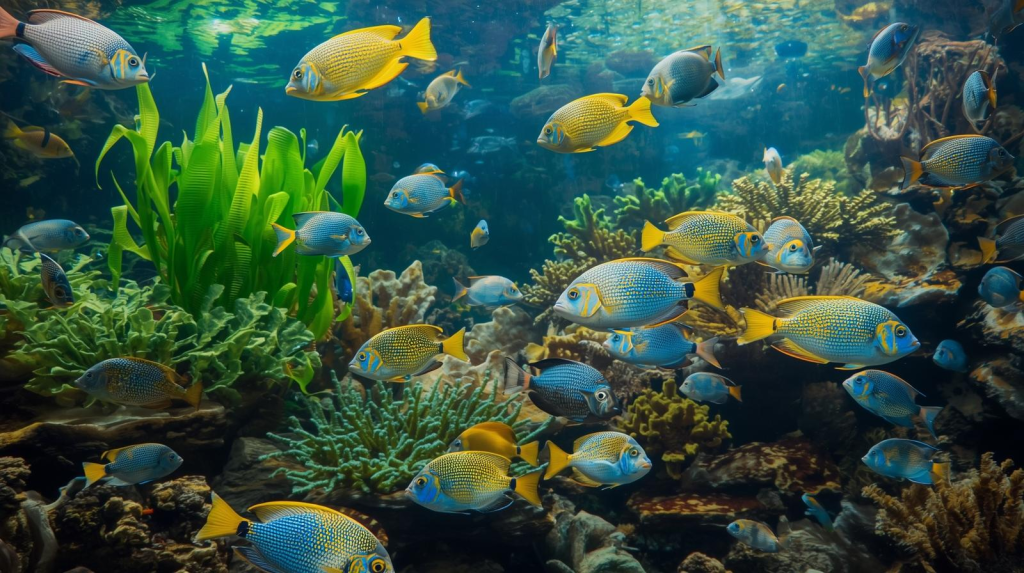

Feeding your tropical freshwater fish the right diet is more than just tossing flakes into the tank—it’s about nurturing vibrant color, strong immunity, and active behavior. The best food for tropical freshwater fish provides balanced nutrition that mimics what they’d eat in the wild. From flakes and pellets to frozen treats and live foods, knowing what to feed and how often makes a world of difference.
Whether you’re caring for guppies, angelfish, or neon tetras, this guide will show you how to choose the best food for tropical freshwater fish to keep them thriving and your aquarium glowing with life.
Understanding the Nutritional Needs of Tropical Freshwater Fish
Tropical fish may be small, but their nutritional needs are complex. In their natural habitats, they eat a mix of plant matter, algae, and small aquatic creatures. Recreating this balance in captivity is key to their long-term health.
Fish require three main nutrient groups:
- Proteins for growth, tissue repair, and energy
- Fats for buoyancy and energy reserves
- Carbohydrates and fiber for digestive support and energy balance
Adding essential vitamins (like A, D, and C) and minerals also supports immunity and fin health. High-quality tropical fish food should provide a well-rounded blend of these nutrients, ensuring your pets look as good as they feel.
Types of Tropical Fish Food and When to Use Them
Not all fish eat the same way, and understanding feeding behavior helps you choose the best tropical fish food for each species. Some fish feed at the surface, while others prefer mid-water or bottom feeding. Choosing the right form of food ensures every fish gets its share.
1. Flake Food
Flake food is the most common choice for community tanks. It floats on the surface, making it perfect for top-feeders like guppies, mollies, and tetras.
Look for flakes rich in natural color enhancers such as spirulina and astaxanthin—these bring out brilliant reds and blues in tropical fish. Avoid cheap brands with excessive fillers or artificial dyes, which can cloud the water and cause digestive issues.
2. Pellet Food
Pellets sink slowly, catering to mid and bottom feeders such as cichlids or catfish. They also contain more concentrated nutrients than flakes.
Micro-pellets work best for small species, while larger sinking pellets suit cichlids and loaches. Always check that the pellets match the mouth size of your fish—too large, and they’ll go uneaten.
3. Freeze-Dried Food
Freeze-dried options like bloodworms, daphnia, and brine shrimp offer excellent variety. They maintain nutrients while eliminating harmful parasites. However, freeze-dried foods should complement, not replace, a staple diet.
Soak them in aquarium water before feeding to prevent bloating, especially for delicate fish like bettas.
4. Frozen Food
Frozen food is a step closer to what fish eat in the wild. It’s nutrient-dense and well-preserved, with minimal processing. Brine shrimp, mysis shrimp, and bloodworms are favorites among tropical species.
Feed these once or twice a week as a protein boost to enhance growth and coloration.
5. Live Food
For serious aquarists, live foods such as mosquito larvae, daphnia, and brine shrimp provide the highest nutritional value. They also encourage natural hunting instincts and movement.
However, sourcing live food from reputable suppliers is vital to avoid introducing bacteria or parasites into your tank.
Best Commercial Food Brands for Tropical Freshwater Fish
When looking for the best food for tropical freshwater fish, brand quality matters. Here are some trusted names that consistently deliver balanced and safe nutrition.
TetraMin Tropical Flakes
A long-time favorite among aquarists, TetraMin offers nutrient-rich flakes fortified with vitamins and minerals. It’s gentle on water quality and helps enhance color naturally.
Hikari Micro Pellets
Perfect for community tanks, Hikari’s micro pellets are easy to digest and sink slowly, ensuring all fish get a fair share. The brand is known for its scientifically balanced formulas.
Omega One Freshwater Flakes
Omega One stands out for using whole salmon and kelp instead of fish meal, providing rich proteins and omega-3 fatty acids. The result? Vibrant colors and better disease resistance.
Fluval Bug Bites
Made from black soldier fly larvae, this innovative formula mimics the insect-based diet of many tropical fish. It’s sustainable, protein-rich, and highly digestible.
New Life Spectrum Pellets
For premium care, New Life Spectrum offers pellets with a balance of marine proteins, algae, and natural color enhancers. It’s suitable for a wide range of tropical species.
Adding variety is key. Rotate between brands and types to give your fish a diverse diet that keeps them interested and nourished.
Homemade and Natural Fish Food Options
If you prefer more control over ingredients, you can make homemade tropical fish food using natural sources. Blending vegetables like spinach, peas, and carrots with protein sources like shrimp or egg yolk creates a nutrient-packed paste.
Freeze small portions and thaw before feeding. Homemade food helps reduce additives and gives you peace of mind about quality. Still, balance it with commercial foods to cover all essential micronutrients.
Feeding Tips to Keep Your Aquarium Healthy
Even the best food for tropical freshwater fish can cause problems if overfed. Here’s how to feed wisely:
- Feed small portions that your fish can finish in 2–3 minutes.
- Feed twice daily rather than one large meal to maintain metabolism.
- Remove uneaten food to prevent ammonia buildup and cloudy water.
- Observe behavior—if fish ignore food, adjust the type or feeding time.
- Vary the diet weekly by adding frozen or live food to maintain interest and nutrition.
A clean, well-fed tank is a happy tank. Remember, overfeeding causes more deaths than starvation in aquariums.
Enhancing Color and Energy with Supplements
If your fish seem dull or sluggish, adding color-boosting and vitamin-rich foods can make a huge difference. Ingredients like spirulina, paprika, and astaxanthin intensify coloration naturally, while garlic extract enhances immunity.
You can also use vitamin-enriched pellets or liquid supplements designed for tropical fish. Just follow the dosage carefully—too much of a good thing can stress their digestive systems.
Common Feeding Mistakes to Avoid
Many beginners unintentionally harm their fish with improper feeding habits. Here are the most common pitfalls to watch out for:
- Overfeeding: Causes water pollution and stress.
- Using only one type of food: Leads to nutrient deficiencies.
- Feeding at irregular times: Disrupts digestion and routine.
- Ignoring species differences: Not all fish eat the same way—some need surface food, others bottom feeders.
- Neglecting food freshness: Always check expiration dates; old food loses nutrients quickly.
A mindful feeding routine keeps your tropical fish lively, colorful, and free from disease.
Sustainability and Eco-Friendly Fish Food Choices
If you’re eco-conscious, sustainable fish food options like Fluval Bug Bites and Omega One are excellent. They use responsibly sourced ingredients that reduce environmental impact. Supporting brands that avoid overfishing or use insect protein helps protect aquatic ecosystems while giving your fish optimal nutrition.
Even simple actions like recycling food containers or buying in bulk can make your aquarium hobby more sustainable.
Conclusion
Choosing the best food for tropical freshwater fish is about balance—providing complete nutrition, encouraging natural feeding behavior, and keeping your aquarium clean. Whether you go with premium commercial brands or craft your own mix, aim for variety and moderation.
Feed with care, watch your fish thrive, and you’ll enjoy a tank full of life, color, and vitality. A healthy diet is the cornerstone of every beautiful aquarium.
FAQ
1. How often should I feed tropical freshwater fish?
Feed them twice a day in small portions they can finish within 2–3 minutes.
2. Can I mix different types of fish food?
Yes, combining flakes, pellets, and frozen foods gives a balanced diet and keeps feeding interesting.
3. What’s the best food for tropical fish color enhancement?
Foods with spirulina, astaxanthin, or krill meal are excellent for boosting natural coloration.
4. Should I feed my fish live food regularly?
Live food can be offered occasionally as a treat. Overuse may introduce parasites if not sourced carefully.
5. Why do my fish ignore new food?
Fish may take time to adjust to new food. Try mixing it with their usual feed for a smoother transition.