
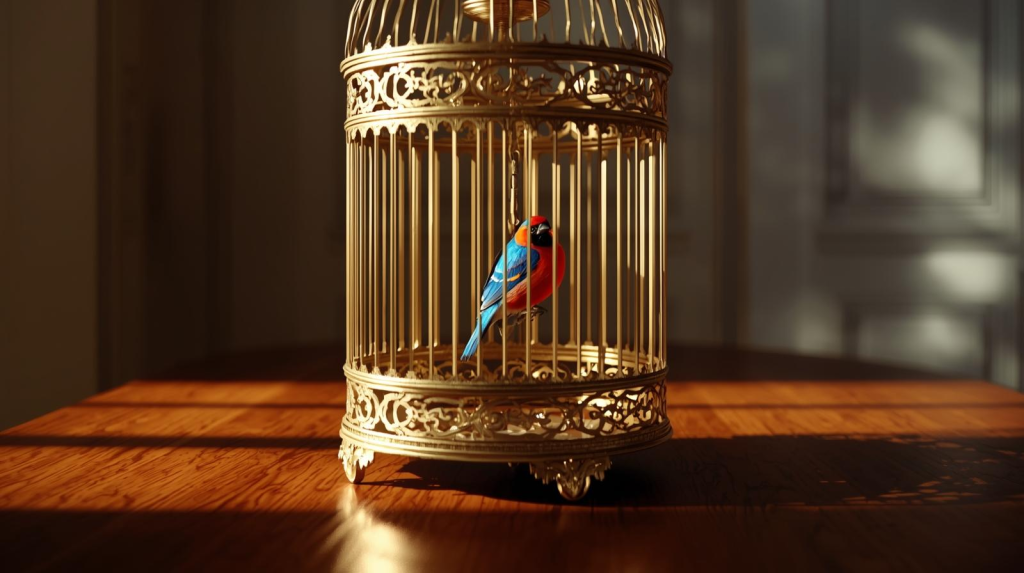

Understanding Why Cage Placement Matters
Choosing the best cage placement for your bird isn’t just about convenience—it’s about their well-being. Birds are highly sensitive creatures that respond to their surroundings. A cage placed in the wrong spot can cause anxiety, aggression, or even physical health issues.
When you think about it, your bird’s cage is more than a home—it’s their entire world. Just as you wouldn’t want your bed beside a blaring TV or under harsh lights, your feathered friend deserves a location that feels safe, stable, and soothing.
So, where should you place it? Let’s explore how environment, light, temperature, and family activity affect your bird’s peace of mind.
Ideal Room for Bird Cage Placement
The best cage placement starts with choosing the right room. Birds thrive on routine, comfort, and moderate activity. You’ll want a space that keeps them engaged—but not overwhelmed.
Avoid kitchens, garages, or bathrooms. These areas often contain fumes, smoke, and humidity that can harm your bird’s delicate respiratory system. Instead, choose a well-lit, quiet room where your bird can still see and interact with you throughout the day.
A living room or family room works well as long as the traffic isn’t too chaotic. Birds are social by nature, but constant movement or noise can make them uneasy.
Imagine your bird like a houseguest: they enjoy being part of the action but also need space to relax.
Light and Temperature: Finding the Perfect Balance
Lighting and temperature are vital when determining the best cage placement. Birds depend on natural light cycles to regulate sleep and hormones.
Place the cage in a bright area but away from direct sunlight. Direct rays can overheat the cage quickly, leaving your bird stressed or dehydrated. If your bird loves sunshine, allow filtered morning light instead.
Temperature control matters just as much. Avoid areas near windows, vents, or drafts. Birds are sensitive to sudden temperature changes. Keep the environment stable—ideally between 65°F and 80°F.
Think of your bird’s comfort like your own. If you’d be uncomfortable sitting in that spot for hours, it’s not right for them either.
Height and Position: Security from the Bird’s View
Birds instinctively feel safer when they’re elevated. Placing their cage too low can make them feel vulnerable, especially to people or pets walking by. The best cage placement usually positions the cage at your chest or eye level.
This height gives them confidence while allowing you to interact comfortably. Avoid hanging cages too high, as it can make cleaning and interaction difficult.
Also, avoid placing the cage in the center of a room. Birds prefer a sense of shelter and stability. Position it against a wall or in a corner, where they can see the room but also retreat to a “safe side” when nervous.
Imagine standing in a crowded place with no walls around—you’d feel exposed. Your bird feels the same way when surrounded by open space.
Avoiding Noise and Disturbances
Noise is one of the biggest stress triggers for birds. Constant exposure to loud sounds can cause anxiety and feather plucking. When choosing the best cage placement, think about how quiet or noisy your chosen room gets throughout the day.
Keep the cage away from TVs, loudspeakers, and doorways. Birds also startle easily at sudden movements, so avoid areas with heavy foot traffic or slamming doors.
If you live near a busy street, avoid placing the cage by a window facing it. Instead, position it where your bird can see peaceful outdoor scenery—like trees or a garden. This visual stimulation keeps them calm and curious rather than tense and reactive.
Social Connection Without Overstimulation
Birds crave companionship but can get overwhelmed by constant attention. The best cage placement balances social contact and quiet time.
Place the cage where your bird can see and hear you but still have moments of peace. Birds enjoy observing your routine—it makes them feel like part of the flock.
However, avoid the center of parties or gatherings. Too many new faces or loud laughter can trigger stress behaviors. If possible, choose a room where your bird can hear you talking but also enjoy moments of solitude when the day winds down.
It’s like having a cozy corner in a lively café—you’re connected, but still in your comfort zone.
Avoiding Windows and Mirrors
It may seem nice to give your bird a “room with a view,” but direct window placement often backfires. Sudden movements, passing cars, or birds outside can frighten your pet.
Place the cage near a window but not directly against it. This allows your bird to enjoy daylight and occasional glimpses of the outdoors without constant stimulation.
Mirrors are another hidden stressor. Birds may mistake their reflection for another bird and either become aggressive or overly attached. Keep reflective surfaces out of their direct line of sight.
The best cage placement provides visual variety without confusion or confrontation.
Nighttime Routine and Sleep Environment
Birds need consistent, uninterrupted sleep—typically 10 to 12 hours per night. The best cage placement supports this rhythm by minimizing nighttime disruptions.
Choose a quiet, dimly lit area for sleeping hours. If your bird’s cage is in a living room where lights stay on late, consider moving them to a darker room at night or using a cage cover.
Avoid placing the cage near nightlights or electronics that emit light. Even small glows can disturb sleep patterns and raise stress levels.
Just as humans sleep better in darkness, your bird relies on darkness to rest and recover.
Final Tips for Stress-Free Bird Living
To create lasting comfort, observe your bird’s reactions. If they appear restless, vocalize excessively, or fluff their feathers often, the cage placement might not be right.
Over time, you’ll notice where your bird seems happiest—chirping, playing, and perching comfortably. Adjust lighting, temperature, and positioning as needed.
A well-placed cage supports not just their physical health but their emotional well-being too.
After all, when your bird feels safe, you’ll notice it immediately—their feathers smooth out, their songs brighten, and their trust grows stronger every day.
Conclusion
Finding the best cage placement to reduce bird stress is an art of balance. You’re creating a sanctuary that meets your bird’s natural instincts for light, safety, and social connection.
Keep the cage in a calm, stable, and well-lit space away from direct sunlight and noise. Elevate it slightly, offer a partial wall behind it, and observe how your bird responds.
When you tune into their comfort, you’re not just placing a cage—you’re building a home where your bird can thrive, sing, and feel truly at peace.
FAQ
1. Where is the best place to put my bird’s cage?
The best place is a quiet, well-lit room where your bird can see you but isn’t surrounded by constant movement or noise.
2. Can I place my bird’s cage near a window?
Yes, but not directly against it. Indirect sunlight and gentle outdoor views are fine, but avoid sudden activity or drafts.
3. How high should a bird cage be placed?
Eye level is ideal. It helps your bird feel safe and makes daily interaction easier for you.
4. Should I cover my bird’s cage at night?
If the room stays bright or noisy at night, a cage cover can help your bird sleep better by creating a sense of security.
5. Why is my bird stressed even with a good cage placement?
Stress can come from multiple factors like noise, temperature changes, or loneliness. Reevaluate the environment and their daily routine for balance.