
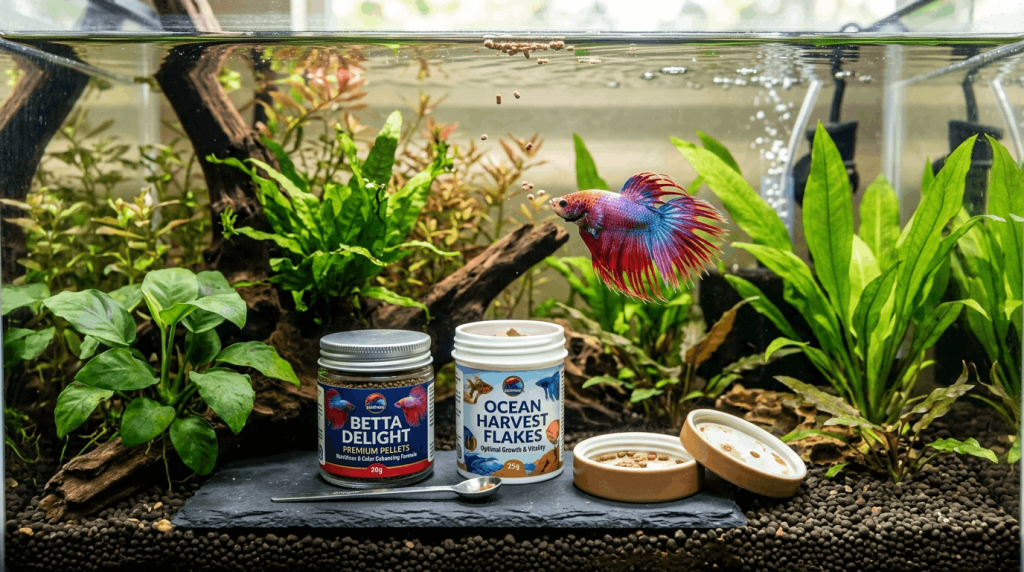

Keeping a betta fish healthy starts with proper nutrition. Many owners focus on tank decorations and water quality, yet food often determines whether a betta thrives or struggles. The best betta fish food supports strong immunity, brighter color, healthy digestion, and better energy levels. It also reduces the risk of bloating, constipation, and common health problems that shorten a betta’s lifespan.
Bettas are carnivorous fish with unique dietary needs. Unlike community fish that eat plant-heavy flakes, bettas require protein-rich meals that mimic their natural feeding habits. Therefore, choosing poor-quality food can quickly affect their appearance and behavior. Some fish become sluggish, while others lose color or stop eating altogether. Fortunately, a balanced feeding routine can transform a betta’s health in a surprisingly short time.
Many owners buy the first container labeled for bettas without checking the ingredients. However, ingredient quality matters more than attractive packaging. The best betta fish food contains real protein sources, limited fillers, and nutrients designed for tropical carnivorous fish. Once you understand what to look for, feeding your fish becomes much easier and far more effective.
Why Nutrition Matters for Betta Fish
Betta fish may appear hardy, but they are sensitive to poor nutrition. In the wild, bettas eat insect larvae, tiny crustaceans, and protein-rich prey. Their digestive systems are designed for meat-based foods rather than excessive grains or plant fillers. As a result, cheap foods with poor ingredients can create digestive stress and weaken immunity over time.
A healthy diet helps maintain stable energy levels throughout the day. Bettas that receive proper nutrition usually swim actively, explore their environment, and respond eagerly during feeding time. In contrast, fish fed low-quality diets often appear lethargic or withdrawn. Their fins may also lose vibrancy, and their immune systems can become weaker.
The best betta fish food also helps maintain healthy fins and scales. Protein supports tissue repair, while vitamins improve skin quality and resistance to infection. Additionally, balanced nutrition encourages better metabolism, reducing the risk of obesity and bloating. Since bettas have small stomachs, every bite should provide meaningful nutritional value.
Poor diets can also pollute aquarium water faster. Foods filled with unnecessary fillers often create more waste, leading to cloudy water and rising ammonia levels. Therefore, choosing better ingredients benefits both the fish and the tank environment.
Ingredients to Look for in Quality Betta Food
Understanding ingredient labels is essential when choosing the best betta fish food. High-quality products usually list whole protein sources first. Ingredients such as fish meal, shrimp meal, salmon, krill, or black soldier fly larvae provide excellent nutrition for carnivorous fish.
Protein should remain the primary focus. Most healthy betta diets contain around 35% to 45% protein. This range supports muscle maintenance, growth, and overall vitality. Additionally, natural color enhancers like krill and spirulina can improve the brightness of red, blue, and metallic betta varieties.
Healthy fats are equally important. Omega fatty acids support brain function, skin condition, and immune health. Meanwhile, vitamins such as vitamin C and vitamin E help reduce stress and improve recovery from illness.
Avoid foods that rely heavily on wheat, soy, corn, or artificial dyes. These fillers add little nutritional value and may cause digestive issues. While some plant material is acceptable, it should never dominate the ingredient list for carnivorous fish.
Pellet size also matters. Bettas have small mouths, so oversized pellets may cause difficulty during feeding. Small floating pellets usually work best because they mimic surface feeding behavior found in nature.
Pellets vs Flakes for Betta Fish
Many beginners wonder whether pellets or flakes are better. In most cases, pellets are the superior option. The best betta fish food commonly comes in pellet form because pellets maintain consistent nutrition and reduce waste in the aquarium.
Flakes often break apart quickly, which can dirty the water and make portion control difficult. Additionally, some bettas ignore flakes entirely because they prefer surface-feeding foods that resemble insects. Pellets stay intact longer and allow owners to measure feeding amounts more accurately.
Floating pellets are especially beneficial because bettas naturally feed near the water surface. Watching how your fish responds during feeding also becomes easier. If pellets remain uneaten after a few minutes, the portion may be too large.
However, flakes are not always harmful. High-quality betta flakes can still work as occasional variety foods. They simply require closer attention to prevent overfeeding and water contamination.
Freeze-dried and frozen foods can also complement pellet-based diets. Bloodworms, daphnia, and brine shrimp provide enrichment and dietary variety. Nevertheless, these treats should not replace balanced staple foods.
How Often Should You Feed a Betta Fish?
Feeding schedules greatly influence long-term health. Even the best betta fish food can create problems when portions become excessive. Bettas have tiny stomachs roughly the size of their eye. Therefore, overfeeding remains one of the most common mistakes among fish owners.
Most adult bettas thrive on two small meals daily. Typically, two to four pellets per feeding session are enough. However, activity levels, age, and water temperature may slightly change feeding needs.
Young bettas usually require more frequent meals because they grow rapidly. Older fish, on the other hand, may benefit from lighter portions to reduce digestive strain. Observing your fish closely helps determine the ideal balance.
Many experienced owners also include one fasting day each week. This approach allows the digestive system to clear naturally and reduces the risk of constipation or bloating. Since bettas are opportunistic eaters, they may continue begging even when full. Owners should avoid interpreting begging behavior as hunger.
Consistency matters as well. Feeding at similar times daily helps establish stable routines and reduces stress.
Common Feeding Mistakes That Harm Betta Health
Even caring owners sometimes develop habits that negatively affect their fish. One major mistake involves feeding excessive amounts. Uneaten food quickly decomposes, polluting the water and increasing harmful toxins.
Another problem involves relying on only one food source. While the best betta fish food provides balanced nutrition, occasional dietary variety still supports enrichment and broader nutrient intake. Rotating between pellets, frozen foods, and occasional treats helps create a healthier feeding routine.
Some owners also purchase food designed for general tropical fish instead of species-specific betta diets. Unfortunately, these foods may contain too many fillers and insufficient protein for carnivorous fish.
Ignoring expiration dates can also create health problems. Fish food gradually loses nutritional value after opening. Ideally, containers should remain sealed tightly and replaced regularly to preserve freshness.
Overfeeding freeze-dried foods is another common issue. These foods expand when wet and may contribute to bloating if served excessively. Therefore, moderation is essential.
Signs Your Betta Fish Has a Healthy Diet
Healthy bettas display several positive physical and behavioral signs. Bright coloration is one of the most noticeable indicators. Fish receiving the best betta fish food often develop deeper blues, reds, and iridescent shades.
Strong appetite is another good sign. Healthy bettas usually swim eagerly toward feeding areas and show curiosity during meals. Additionally, smooth swimming patterns and alert behavior indicate proper energy levels.
Fin condition also reflects dietary quality. Bettas with balanced nutrition generally maintain fuller, healthier fins with fewer tears or deterioration. Their scales often appear smoother and more vibrant as well.
Waste production can reveal important information too. Excessive waste or bloating may signal overfeeding or poor-quality ingredients. In contrast, normal digestion produces consistent waste without swelling around the abdomen.
Good nutrition also supports better disease resistance. While no food prevents all illness, healthy diets strengthen immune function and improve recovery potential.
Best Types of Supplemental Foods for Bettas
Supplemental foods provide variety and enrichment beyond standard pellets. Frozen bloodworms remain one of the most popular choices because bettas naturally enjoy insect-based prey. However, these should stay occasional treats rather than daily meals.
Brine shrimp offer another excellent option. They contain beneficial protein and encourage natural hunting instincts. Daphnia is especially useful for digestive support because it contains natural fiber that may help reduce constipation.
Live foods can stimulate mental engagement as well. Some owners occasionally feed mosquito larvae or blackworms. Nevertheless, live foods should come from trusted sources to avoid introducing parasites or harmful bacteria.
The best betta fish food routines combine balanced staple pellets with carefully chosen supplemental treats. This combination creates nutritional balance while keeping feeding time interesting for the fish.
Variety also helps prevent picky eating habits. Bettas exposed to multiple safe food options often adapt more easily during dietary transitions.
How Water Quality Affects Feeding Success
Nutrition and water quality work together closely. Even the best betta fish food cannot compensate for poor aquarium conditions. Dirty water increases stress levels, weakens immunity, and reduces appetite.
Ammonia buildup from uneaten food creates especially dangerous conditions. Therefore, portion control remains critical. Small feedings help maintain cleaner tanks and healthier fish overall.
Temperature also influences digestion. Bettas digest food more effectively in properly heated tanks between 76 and 82 degrees Fahrenheit. Cooler water slows metabolism and may increase digestive issues.
Filtration helps maintain stability, yet strong currents should be avoided because bettas prefer calmer water. Stress from excessive water movement can reduce appetite and energy levels.
Regular water changes further improve feeding success. Clean environments encourage stronger appetites, healthier digestion, and more stable behavior patterns.
Choosing the Right Food for Different Betta Ages
Betta nutritional needs change throughout life stages. Young bettas require higher protein intake to support rapid growth and muscle development. Therefore, nutrient-dense pellets designed for juveniles can be beneficial during early stages.
Adult bettas generally need balanced maintenance diets with moderate portions. The best betta fish food for adults focuses on immune support, color enhancement, and digestive stability.
Senior bettas often become less active and may develop slower metabolisms. Softer foods or slightly reduced portions may help aging fish maintain healthy weight and comfort.
Sick or recovering bettas sometimes benefit from highly digestible foods like frozen brine shrimp or daphnia. These gentle foods can encourage appetite without overloading digestion.
Monitoring behavior during each life stage helps owners adjust feeding strategies appropriately.
Creating a Healthy Feeding Routine Long Term
Consistency creates lasting health benefits for betta fish. Feeding routines should remain simple, predictable, and balanced. While many owners chase trendy products, long-term success usually depends on stable habits rather than constant changes.
The best betta fish food becomes even more effective when paired with proper tank maintenance, stable temperatures, and low stress environments. Small daily habits often produce the greatest results over time.
Observation remains one of the most valuable tools for fish owners. Appetite changes, swimming patterns, and body condition provide important clues about overall health. When owners pay close attention, problems can often be corrected early.
Healthy feeding routines also strengthen the connection between owner and fish. Bettas quickly recognize feeding times and may even respond to familiar movement near the tank. This interaction makes proper care more rewarding and enjoyable.
Ultimately, better nutrition leads to longer lifespans, stronger immunity, brighter colors, and more active behavior. Investing in high-quality food may seem minor at first, yet it significantly improves a betta’s quality of life.
Conclusion
Choosing the best betta fish food is one of the most important decisions any betta owner can make. Proper nutrition affects everything from color and energy to immunity and lifespan. Although many products claim to support fish health, ingredient quality and feeding habits determine real results.
Balanced diets rich in protein help bettas stay active, alert, and resistant to illness. Meanwhile, controlled portions reduce water pollution and digestive stress. Adding occasional treats like brine shrimp or daphnia can also improve enrichment and overall satisfaction during feeding time.
Healthy bettas reward proper care with vibrant color, curious personalities, and graceful movement. Therefore, taking the time to choose nutritious foods and establish consistent feeding routines creates long-term benefits that both owners and fish can enjoy for years.
FAQ
1. How many times should I feed my betta each day?
Most adult bettas do best with two small meals daily. Small portions help prevent bloating and maintain stable digestion.
2. Are bloodworms healthy for betta fish?
Bloodworms work well as occasional treats. However, they should not replace balanced daily nutrition from high-quality pellets.
3. Why is my betta fish refusing food suddenly?
Stress, poor water quality, illness, or incorrect temperatures may reduce appetite. Check tank conditions before changing foods.
4. Can bettas eat tropical fish flakes?
Some tropical flakes are safe, but species-specific diets usually provide better nutrition for carnivorous betta fish.
5. What foods improve betta fish color naturally?
Protein-rich foods with krill, shrimp, and natural color enhancers often support brighter and healthier coloration.