
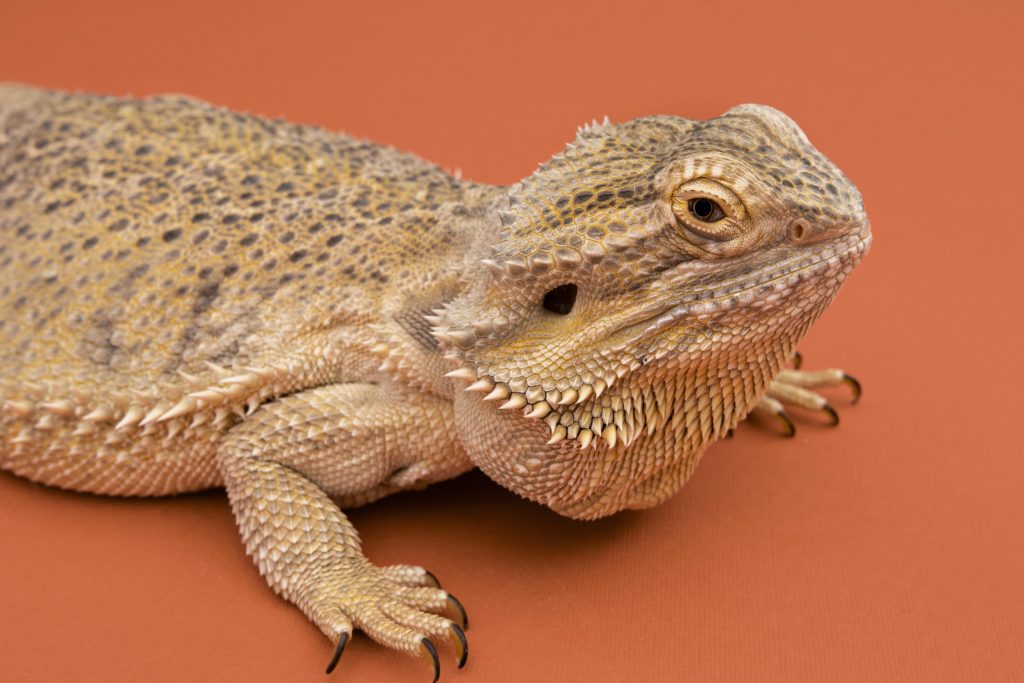

If you own a bearded dragon, you may have wondered—can these fascinating reptiles share a tank peacefully? The idea of keeping two dragons together sounds appealing, especially if you want them to have company. But while it may seem harmless, cohabitation among bearded dragons is a complex topic that can quickly turn from friendly to dangerous.
In this guide, we’ll dive deep into the pros and cons of bearded dragons living together, explore the risks, and help you make an informed decision about whether your scaly friends should share a space.
Understanding Bearded Dragon Behavior
Before deciding if your bearded dragons can live together, it’s essential to understand their natural instincts. In the wild, bearded dragons are solitary creatures. They don’t live in packs or family groups. Each dragon has its own territory and will fiercely defend it.
These reptiles may bask near each other occasionally, but that doesn’t mean they enjoy sharing space. In captivity, when forced into close quarters, competition for heat, food, and dominance can lead to stress or even injury.
Bearded dragons establish hierarchy through body language—head bobbing, arm waving, and beard flaring. While these gestures might seem amusing, they’re signals of dominance or submission, not friendship.
Pros of Bearded Dragons Living Together
Let’s start with the positive side. Under specific and carefully controlled circumstances, bearded dragons living together can show some potential benefits—though rare.
1. Observation of Social Interaction
Watching two bearded dragons interact can be fascinating. You’ll witness their communication behaviors, like arm waving or color changes, up close. It provides a learning opportunity for owners curious about reptile social dynamics.
2. Breeding Opportunities
For experienced breeders, keeping a male and female together may be necessary—but only temporarily. Controlled cohabitation helps facilitate mating and ensures reproductive success when done responsibly. However, it should always occur under close supervision.
3. Space Efficiency for Hatchlings
In the case of very young hatchlings from the same clutch, temporary cohabitation might be acceptable. They are less territorial at a young age and can sometimes share space safely for a few weeks before separation becomes necessary.
While these benefits sound promising, they come with major caveats. Let’s look at the other side of the story.
Cons of Bearded Dragons Living Together
For most owners, the disadvantages far outweigh the positives. Bearded dragons living together is risky, stressful, and often harmful over time.
1. Aggression and Fighting
Dominance battles are common when two dragons share a tank. Males are particularly territorial, but even females can become aggressive. Fights can result in injuries such as tail nips, limb bites, and severe stress.
Even if no physical harm occurs immediately, constant dominance displays—like one dragon climbing on the other—can lead to psychological distress and health decline.
2. Unequal Access to Food and Heat
One dragon often becomes dominant, taking all the best basking spots and most of the food. The submissive one may appear thinner, weaker, and more lethargic over time. This imbalance can cause malnutrition and stunted growth.
3. Increased Stress Levels
Chronic stress is one of the biggest dangers of cohabitation. Stress in bearded dragons can suppress appetite, weaken the immune system, and lead to illness. A constantly intimidated dragon may spend most of its time hiding, rarely basking or eating properly.
4. Risk of Injury or Death
Even brief fights can result in severe wounds, particularly to the tail or limbs. In some cases, one dragon can fatally injure another. Remember, their jaws are strong, and a moment of aggression can turn tragic quickly.
5. Breeding-Related Issues
Keeping males and females together can result in unwanted breeding. Overbreeding can severely harm the female, leading to exhaustion and egg-binding. For this reason, breeding should always be planned and managed professionally.
6. Spread of Disease or Parasites
When two dragons share a habitat, illness can spread fast. Parasites, bacteria, or fungal infections can transfer easily through contact, water, or feces. Isolating dragons helps control health risks and simplifies treatment when needed.
When Can Bearded Dragons Live Together Safely?
While it’s usually best to house them separately, a few exceptions exist for short-term or controlled situations.
1. Hatchlings from the Same Clutch
Baby dragons under two months old can sometimes share a space temporarily. However, they must be of similar size and monitored closely for signs of bullying or growth differences.
2. Breeding Purposes
As mentioned earlier, experienced breeders sometimes keep a male and female together briefly to facilitate mating. Once breeding is complete, they should be separated immediately to prevent stress or harm.
3. Temporary Quarantine or Observation
In special cases, like medical observation or transport, two dragons might share an enclosure briefly. Still, this should be done only under expert supervision and never as a long-term arrangement.
Even in these rare cases, close observation is vital. Once signs of aggression or dominance appear, immediate separation is necessary to prevent injury or stress.
How to Spot Trouble When Bearded Dragons Live Together
If you’ve chosen to try cohabitation temporarily, learn to recognize early warning signs that things aren’t going well.
1. Dominant Behavior
Look for one dragon always sitting higher, climbing onto the other, or occupying the best basking area. These are clear signs of dominance.
2. Loss of Appetite
If one dragon stops eating or hides during feeding time, it’s likely being bullied or stressed.
3. Physical Injuries
Any scratches, missing scales, or bite marks mean it’s time to separate them immediately. Small wounds can escalate quickly due to infection.
4. Uneven Growth
If one dragon grows noticeably faster, it may be monopolizing food and heat, leaving the other deprived.
Recognizing these signs early can save both dragons from severe stress and harm.
Best Practices for Housing Bearded Dragons
Since cohabitation carries many risks, the best practice is to house bearded dragons separately. Each dragon should have its own tank, heat source, and feeding area.
A single adult bearded dragon requires a minimum of a 75-gallon tank, but larger is better. This gives them space to move, bask, and explore comfortably without feeling confined.
Ensure each habitat has:
- A basking area with proper UVB lighting
- Hiding spots for privacy
- A clean substrate
- Consistent temperature gradients
- Daily feeding routines
Providing separate enclosures not only keeps them safe but also allows you to monitor their health and behavior more accurately.
Should You Ever Keep Bearded Dragons Together?
In most cases, the answer is no. Bearded dragons thrive in solitude. They are territorial by nature and do not need companionship like mammals do. What may look like “friendship” is usually one dragon asserting dominance over another.
While temporary cohabitation can work under professional guidance, long-term living arrangements are not recommended. You’ll create a calmer, healthier, and more secure environment by giving each dragon its own space.
Remember, your bearded dragon won’t get lonely. Instead, it will feel safer and more confident when it doesn’t have to compete for territory or attention.
Conclusion
Keeping bearded dragons together may sound like a fun idea, but it’s usually a recipe for stress, injury, and imbalance. These reptiles are happiest and healthiest when living alone in well-designed enclosures that meet their individual needs.
If you truly care about your dragons’ well-being, choose separation over cohabitation. By respecting their solitary instincts, you’ll ensure both dragons thrive physically and emotionally for years to come.
FAQ
1. Can two female bearded dragons live together?
While it’s slightly safer than housing males together, females can still fight or dominate each other. Separate tanks are still best.
2. Can male and female bearded dragons share a tank?
Only temporarily for breeding purposes and under close supervision. Long-term cohabitation can cause stress and injury.
3. Will my bearded dragon get lonely if housed alone?
No. Bearded dragons are solitary by nature and prefer their own space. They don’t need companions to feel happy.
4. How do I know if my bearded dragons are fighting?
Signs include biting, chasing, tail whipping, or one dragon always sitting on top of the other. Separate them immediately if this happens.
5. Can baby bearded dragons live together?
Very young hatchlings from the same clutch can share space briefly, but they should be separated as they grow to prevent aggression and competition.