
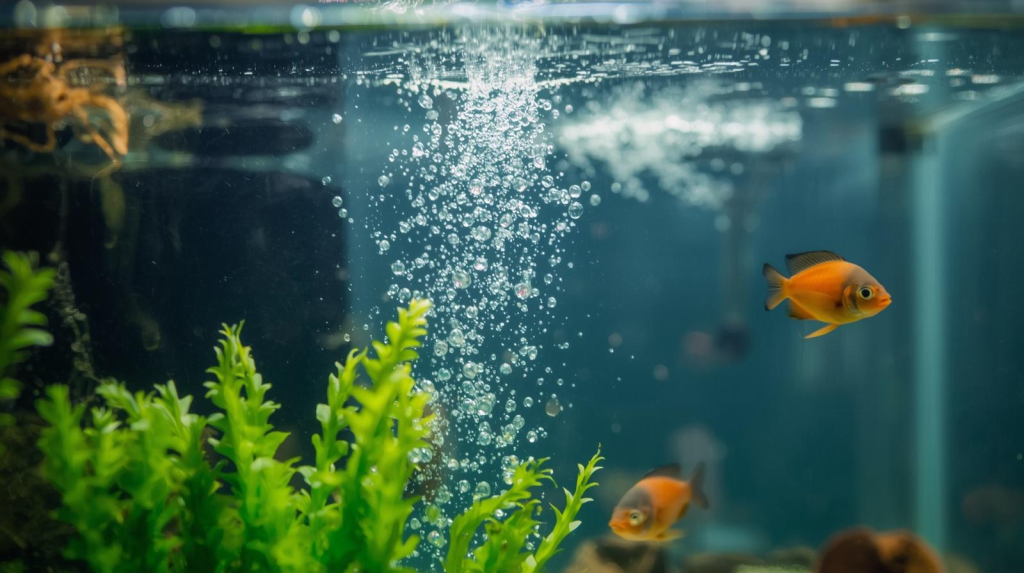

Maintaining a clean aquarium is essential for the long-term health of fish. While aquariums create beautiful living displays, they are also delicate ecosystems that require proper care. Regular maintenance helps remove waste, control bacteria, and maintain balanced water conditions. Because of this, aquarium cleaning for fish health should be part of every fish owner’s routine.
Fish produce waste that gradually accumulates in the tank. Uneaten food, plant debris, and organic matter also contribute to declining water quality. Without proper cleaning, these substances can increase harmful toxins.
Healthy aquariums rely on consistent care rather than occasional deep cleaning. Small routine maintenance tasks help maintain stable conditions for fish.
When aquarium owners understand proper cleaning techniques, they protect both water quality and fish well-being. A balanced environment allows fish to thrive, display vibrant colors, and remain active.
Why Clean Aquariums Matter for Fish Well-Being
Aquariums may appear clean even when harmful substances build up in the water. Invisible toxins such as ammonia and nitrite can accumulate quickly in poorly maintained tanks.
Because of this risk, aquarium cleaning for fish health plays a crucial role in maintaining a safe environment.
Fish release ammonia through waste and respiration. In high levels, ammonia becomes toxic and may harm fish gills and internal organs.
Beneficial bacteria normally convert ammonia into less harmful compounds. However, waste buildup can overwhelm this natural filtration process.
Routine cleaning removes debris and reduces toxin levels.
Healthy tanks also support stable oxygen levels and balanced bacteria populations.
Clean water helps fish remain energetic, stress-free, and resistant to disease.
Understanding the Aquarium Nitrogen Cycle
Before cleaning an aquarium, it helps to understand the nitrogen cycle. This natural process maintains water balance by converting harmful waste into safer compounds.
Proper aquarium cleaning for fish health works alongside this biological system rather than disrupting it.
The nitrogen cycle involves three main stages.
First, fish waste produces ammonia.
Next, beneficial bacteria convert ammonia into nitrite.
Finally, another type of bacteria converts nitrite into nitrate.
While nitrate is less toxic, it still accumulates over time.
Partial water changes help remove nitrate and maintain healthy levels.
Understanding this cycle prevents overcleaning, which could harm beneficial bacteria.
Balanced cleaning preserves the biological filtration that keeps fish safe.
How Often Aquariums Should Be Cleaned
Cleaning schedules depend on aquarium size, fish population, and filtration systems. However, consistent routines remain essential for aquarium cleaning for fish health.
Most aquariums benefit from weekly or biweekly maintenance.
Common tasks include:
• Partial water changes
• Removing uneaten food
• Cleaning algae from glass
• Vacuuming gravel
These tasks prevent waste buildup while maintaining stable water conditions.
Large aquariums may require less frequent cleaning due to greater water volume.
Smaller tanks often require more attention because waste accumulates faster.
Consistent maintenance prevents sudden changes that may stress fish.
Performing Safe Partial Water Changes
Water changes represent one of the most important steps in aquarium cleaning for fish health. Rather than replacing all water, partial water changes maintain stable conditions.
Most aquariums benefit from replacing about 20 to 30 percent of the water during cleaning.
Partial changes remove accumulated nitrates and replenish essential minerals.
Fresh water should always be treated with a dechlorinator before entering the aquarium.
Chlorine and chloramine found in tap water may harm fish and beneficial bacteria.
Matching water temperature also prevents stress.
Gradual water replacement helps maintain stable chemistry within the tank.
Cleaning Gravel and Substrate
Gravel often traps uneaten food, fish waste, and plant debris. Over time, these materials break down and release harmful substances.
Because of this, aquarium cleaning for fish health includes regular substrate maintenance.
Gravel vacuums make this process easier by removing debris without disturbing fish.
During water changes, the vacuum siphon removes waste from the substrate.
This method helps prevent toxin buildup while preserving beneficial bacteria.
Avoid removing all gravel or washing it with untreated tap water.
Beneficial bacteria live within the substrate and help maintain water balance.
Gentle cleaning protects this important bacterial ecosystem.
Managing Algae Growth
Algae naturally appear in most aquariums. While small amounts are harmless, excessive algae may indicate imbalanced conditions.
Effective aquarium cleaning for fish health includes managing algae growth carefully.
Algae often grow due to excess nutrients or prolonged light exposure.
Regular glass cleaning helps keep the tank visually clear.
Algae scrapers or magnetic cleaners remove buildup without disturbing fish.
Additionally, reducing excessive lighting may help control algae growth.
Balanced feeding also prevents nutrient buildup.
Healthy aquariums maintain natural algae levels without overwhelming the environment.
Maintaining Aquarium Filters
Filters play a vital role in maintaining clean water. They remove debris while supporting beneficial bacteria colonies.
Because of this, filter care is essential for aquarium cleaning for fish health.
Filters should be cleaned regularly but not completely sterilized.
Rinsing filter media with tank water preserves beneficial bacteria.
Avoid washing filters with untreated tap water, as chlorine may kill helpful microorganisms.
Replacing filter media too frequently can disrupt biological filtration.
Instead, gently clean filters when water flow decreases.
Proper filter maintenance keeps water circulation stable and supports healthy bacteria populations.
Avoiding Common Cleaning Mistakes
Many aquarium owners accidentally harm fish through improper cleaning methods. Understanding common mistakes helps improve aquarium cleaning for fish health.
Common errors include:
• Replacing all tank water at once
• Washing decorations with soap
• Overcleaning filters
• Disturbing beneficial bacteria
These mistakes can destabilize the aquarium ecosystem.
Fish depend on stable water chemistry to remain healthy.
Sudden changes in temperature, pH, or bacteria levels may cause stress or illness.
Gentle, consistent cleaning routines prevent these problems.
Maintaining balance should always remain the priority.
Monitoring Water Quality
Water testing plays an important role in maintaining healthy aquariums. Even clean-looking tanks may contain harmful chemicals.
Testing supports aquarium cleaning for fish health by identifying problems early.
Test kits measure key water parameters, including:
• Ammonia
• Nitrite
• Nitrate
• pH levels
Monitoring these values helps determine when water changes are necessary.
Healthy tanks typically maintain near-zero ammonia and nitrite levels.
Low nitrate levels also indicate balanced water conditions.
Regular testing allows aquarium owners to respond quickly to potential issues.
Supporting Fish Health Through Routine Maintenance
Routine cleaning does more than maintain water clarity. It also supports long-term fish health.
Through proper aquarium cleaning for fish health, fish experience stable conditions and reduced stress.
Clean environments help prevent disease and support healthy immune systems.
Fish living in well-maintained tanks often display stronger colors and more active behavior.
Additionally, stable water chemistry helps fish grow properly.
Consistent care helps maintain the delicate balance within the aquarium ecosystem.
Healthy fish thrive when their environment remains predictable and clean.
Conclusion
Maintaining proper aquarium cleaning for fish health ensures that fish live in safe and balanced environments. Regular cleaning removes waste, controls toxins, and supports beneficial bacteria.
Understanding the nitrogen cycle helps aquarium owners clean tanks without disrupting biological filtration. Partial water changes, gravel vacuuming, and filter maintenance all contribute to stable water conditions.
Additionally, monitoring water quality allows early detection of potential problems.
Consistent maintenance prevents stress and supports fish well-being.
By following responsible cleaning practices, aquarium owners create thriving aquatic environments where fish remain healthy, active, and vibrant for years to come.
FAQ
1. How often should aquarium water be changed?
Most aquariums benefit from partial water changes every one to two weeks depending on tank size and fish population.
2. Is it safe to replace all the water during cleaning?
Completely replacing aquarium water may shock fish and disrupt beneficial bacteria.
3. Why should aquarium gravel be cleaned regularly?
Gravel collects waste and uneaten food that can release harmful toxins over time.
4. Can tap water be used for aquarium cleaning?
Tap water can be used if it is treated with a dechlorinator to remove chlorine and chloramine.
5. What signs indicate poor water quality in aquariums?
Fish stress, cloudy water, unusual odors, or algae overgrowth may indicate water quality problems.