
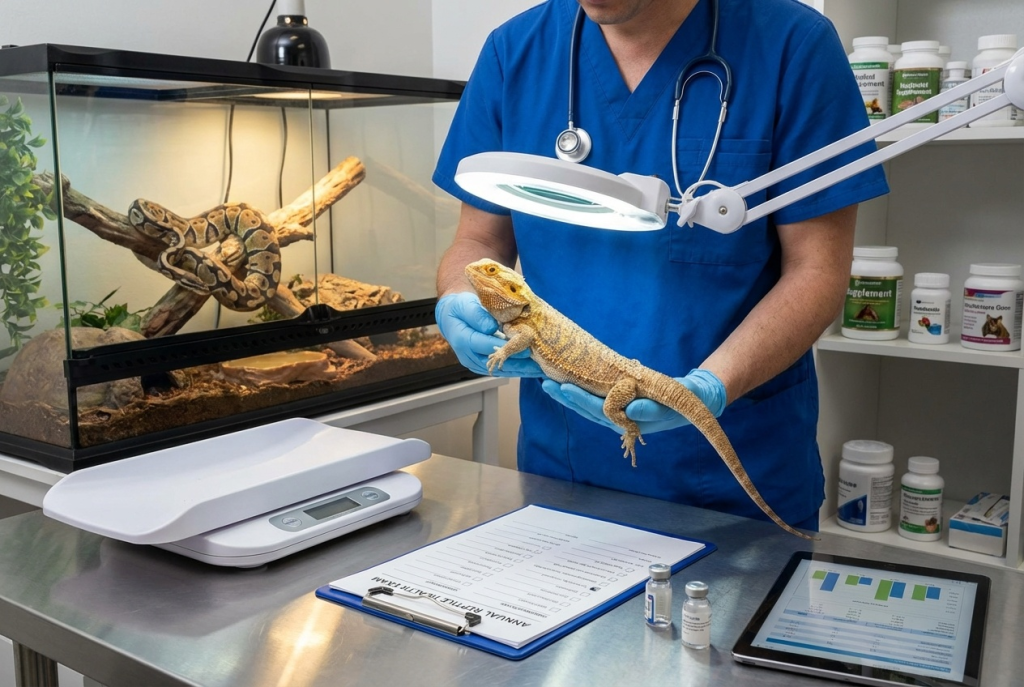

When you share your home with a reptile, you quickly realize how unique and sensitive these animals truly are. They rely on you for warmth, humidity, food, water, and a clean habitat. Despite this dependence, many reptile owners overlook one of the most important parts of responsible care—annual reptile health checks. Although your reptile may appear perfectly fine, underlying issues often stay hidden until they become serious. Since reptiles instinctively hide symptoms, yearly exams act as a protective safety net that supports long-term health.
These annual reptile health checks allow you to catch changes early. They also give you a clear picture of your reptile’s normal baseline, making unusual shifts easier to see. While daily and weekly routines are valuable, yearly checkups offer the full overview. They help identify parasites, metabolic issues, organ concerns, shedding problems, nutritional gaps, infections, and stress-related behaviors. When completed consistently, annual reptile health checks help your pet live longer, stay calmer, and remain healthier throughout every season.
In this article, you’ll discover the most important annual reptile health checks every owner should prioritize. Each section supports preventive care and helps you maintain a stable, safe environment where your reptile can truly thrive.
Why Annual Reptile Health Checks Matter
Annual reptile health checks give you the opportunity to identify issues long before they escalate. Because reptiles naturally mask illness to avoid appearing vulnerable, early symptoms rarely look alarming. This instinct protects them in the wild, but it complicates care at home. As a result, yearly evaluations become essential for catching problems early.
Reptiles may develop:
• Silent internal parasites
• Liver or kidney strain
• Vitamin deficiencies
• Improper shedding layers
• Undetected dental issues
• Stress-related problems
• Early infections
These conditions usually progress slowly, so you may not notice symptoms until significant damage has occurred. However, annual reptile health checks reveal early warning signs. With timely intervention, you can correct problems before they affect appetite, mobility, or behavior.
Even better, these yearly exams provide peace of mind. Instead of reacting to illness, you’re building a stronger foundation for your reptile’s health through preventative care.
Start Annual Reptile Health Checks with a Vet Exam
A professional veterinary exam forms the foundation of annual reptile health checks. A reptile-savvy vet can detect subtle changes that even experienced owners may miss. Because reptiles have specialized anatomy and unique metabolic needs, choosing the right veterinarian is critical.
A yearly checkup usually includes:
• A full physical exam
• Weight check and growth evaluation
• Hydration assessment
• Eye, mouth, and nose inspection
• Skin, scales, or shell evaluation
• Parasite screening
• Discussion of diet and environment
During this exam, the vet may perform bloodwork, X-rays, or ultrasound scans if needed. These diagnostic tools uncover internal concerns long before symptoms appear.
A yearly vet visit strengthens your preventive plan, reduces long-term costs, and keeps your reptile comfortable and stable.
Perform Weight Tracking During Annual Health Checks
Reptiles often gain or lose weight gradually, which makes changes harder to detect. Because weight shifts can indicate deeper issues, weight tracking plays an essential role in annual reptile health checks.
Weigh your reptile:
• On the same scale each year
• At the same time of day
• Before feeding
• After using the restroom
While small fluctuations are normal, steady changes can signal parasites, metabolic bone disease, temperature problems, or malnutrition.
Recording yearly results helps you build a clear health history. Over time, patterns become easy to recognize.
Inspect Skin and Shedding During Annual Checks
Shedding offers valuable insight into your reptile’s overall health. When shedding becomes patchy, difficult, or incomplete, underlying issues often exist. Therefore, skin inspection is a critical part of annual reptile health checks.
Check for:
• Retained shed on toes or tail
• Stuck eye caps
• Flaky or irritated patches
• Lifted or cracked scales
• Redness near the mouth or vent
Even mild shedding issues may lead to infections, circulation problems, or stress. Including skin inspection in your annual routine allows you to spot early signs before they escalate.
Evaluate the Enclosure During Annual Reptile Health Checks
Your reptile’s enclosure determines much of its long-term health. As a result, annual reptile health checks should always include a complete habitat review. Even when the setup appears fine, small changes over time can cause issues.
Review the enclosure by checking:
• Temperature gradients
• Humidity levels
• Light intensity and bulb age
• UVB output
• Ventilation
• Cleanliness and substrate quality
• Hide availability
• Water cleanliness
For example, UVB bulbs lose strength long before they burn out, so replacing them every 6–12 months is essential. Annual inspections help catch these small but important details.
Assess Diet and Nutrition to Support Annual Health Checks
Nutrition influences energy, shedding, bone density, digestion, and immune function. Because reptiles’ needs may change as they grow or age, diet evaluation belongs in every set of annual reptile health checks.
Review:
• Feeding frequency
• Food variety
• Supplement routine
• Calcium intake
• Access to clean water
• Use of gut-loaded insects
• Signs of overfeeding or underfeeding
A nutrient imbalance may weaken bones, slow growth, or place stress on organs. Fortunately, annual reptile health checks help you adjust the diet before problems arise.
Check for Parasites During Annual Examinations
Parasites often remain hidden until they cause noticeable harm. Since reptiles hide discomfort naturally, parasite screenings are a crucial part of annual reptile health checks.
During your exam, check for:
• Mites around eyes and mouth
• Ticks on limbs or folds
• Visible irritation
• Excessive soaking
• Weight loss
• Loose or unusual stools
A yearly fecal exam is essential, since internal parasites are invisible to the eye. Early detection allows for quick treatment before the infection spreads.
Monitor Eyes, Nose, and Mouth During Annual Checks
A reptile’s eyes, nose, and mouth reveal a surprising amount about overall health. Changes in these areas often appear before major symptoms develop.
During annual reptile health checks, look for:
• Swelling around the eyes
• Cloudiness unrelated to shedding
• Nasal mucus
• Mouth discoloration
• Red patches
• Signs of mouth rot
These indicators help you spot dehydration, infection, or early respiratory issues.
Evaluate the Tail and Limbs Each Year
The tail and limbs often show the earliest signs of nutritional or metabolic problems. Because reptiles rely on these areas for movement and balance, they deserve careful attention during annual reptile health checks.
Check for:
• Tail kinks
• Swollen joints
• Uneven muscle tone
• Claw overgrowth
• Missing scales
• Weak grip strength
These changes may indicate UVB failure, old injuries, or improper handling. Annual evaluations help you make corrections before mobility suffers.
Review Behavior During Annual Reptile Health Checks
Behavior reveals subtle clues about stress, discomfort, or environmental imbalance. Annual reptile health checks give you the chance to reflect on these patterns.
Ask yourself:
• Has appetite changed?
• Is your reptile less active?
• Are basking habits inconsistent?
• Is hiding more frequent?
• Are new movements or noises appearing?
Evaluating behavior each year helps you recognize trends that may otherwise go unnoticed.
Inspect Water and Hydration During Yearly Exams
Hydration plays a vital role in reptile health, yet it is often overlooked. Because dehydration causes serious complications, water assessment belongs in annual reptile health checks.
Look for:
• Wrinkled skin
• Sunken eyes
• Thick saliva
• Low urate output
• Excessive soaking
These signs often point to environmental or dietary adjustments that need attention.
Perform a Shell Evaluation for Turtles
Turtles and tortoises require additional care during annual reptile health checks. Their shells provide essential clues about nutrition, lighting, and hydration.
Check for:
• Soft patches
• Pyramiding
• Cracks
• Uneven growth
• Discoloration
Shell problems frequently connect to diet or lighting, making early detection extremely valuable.
Reassess Enclosure Size During Annual Reptile Health Checks
Reptiles outgrow enclosures more quickly than many owners expect. Because of this, annual reptile health checks should include an enclosure size review.
Consider:
• Current length and width
• Climbing or swimming needs
• Ground space
• Available enrichment
A cramped reptile becomes stressed, and stress contributes to illness. Reassessing enclosure size prevents overcrowding and discomfort.
Review Lighting and UVB Output Annually
UVB lighting directly affects bone growth, calcium absorption, and metabolic function. Although the bulbs continue to glow, they stop producing effective UVB long before they burn out.
During annual reptile health checks:
• Replace UVB bulbs
• Confirm proper distance
• Ensure mesh isn’t blocking UVB
• Match light cycles to natural rhythms
Good UVB lighting supports strong bones and overall vitality.
Update Your Records During Annual Reptile Health Checks
Record-keeping strengthens your ability to track long-term health. Documenting each year’s findings helps you identify trends that may indicate emerging issues.
Record:
• Weight
• Behavioral changes
• Vet exam results
• Diet adjustments
• Shedding patterns
• Habitat improvements
• Any known exposures
With detailed records, health changes become much easier to track.
Conclusion
Annual reptile health checks remain one of the most powerful tools you have as a reptile owner. They allow you to catch issues early, optimize care, and support long-term wellness. With consistent yearly evaluations, you build a safer and healthier environment where your reptile can thrive. Small checks truly make a big difference, and your reptile benefits from every thoughtful adjustment.
FAQ
1. How often should reptiles visit the vet?
Once a year is ideal, although young or sick reptiles may require more frequent visits.
2. Are annual fecal exams necessary?
Absolutely. Internal parasites often remain hidden, so yearly screenings protect your reptile’s health.
3. How do I know if my reptile needs a bigger enclosure?
If movement appears restricted or your reptile struggles to turn, a larger enclosure is likely needed.
4. Should UVB bulbs be replaced yearly?
Yes. Most UVB bulbs lose effective strength within 6–12 months.
5. What if my reptile seems healthy?
Annual reptile health checks still matter because many illnesses show no early symptoms.