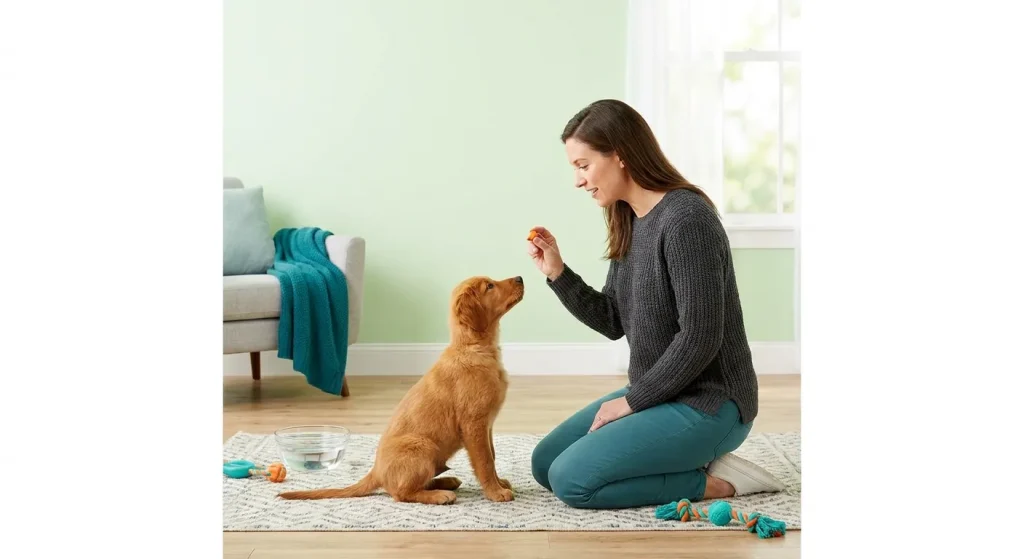

Bringing home a new puppy is one of life’s greatest joys—and challenges. Those first few weeks are filled with excitement, cuddles, and a fair share of chaos. Puppies are curious, playful, and eager to learn, but without guidance, that boundless energy can turn into frustration for both of you. If you’re feeling overwhelmed, don’t worry. With the right training approach, you can raise a well-behaved, confident, and happy dog.
This guide breaks down five essential training tips for new puppy parents that will help you build trust, create good habits, and enjoy every stage of your puppy’s growth.
1. Start with Consistency and Routine
Training success begins with one simple word: consistency. Puppies learn best through repetition and routine. Every command, cue, and rule needs to be the same every time—no exceptions.
If you say “sit” one day and “sit down” the next, your puppy won’t understand that both mean the same thing. Consistent language helps your dog connect your words with specific actions. Use short, clear commands and reward them immediately when they respond correctly.
Establishing a routine also builds confidence. Puppies thrive when they know what to expect. Create a daily schedule for feeding, potty breaks, playtime, and training. For example:
- Morning potty trip after waking up
- Breakfast followed by a short training session
- Playtime and rest throughout the day
- Evening walk and bedtime routine
When you stick to predictable patterns, your puppy feels secure. Over time, these routines help prevent anxiety and behavioral issues.
Consistency also applies to discipline. If your puppy is allowed on the couch one day and scolded the next, they’ll get confused. Set boundaries early and stick to them. Everyone in your household should follow the same rules so your puppy doesn’t receive mixed signals.
2. Positive Reinforcement Is Key
Punishment doesn’t teach puppies what to do—it only teaches them what not to do. Positive reinforcement, on the other hand, builds trust and encourages good behavior. Reward your puppy when they make the right choice, and you’ll see progress much faster.
Use treats, praise, and affection as rewards. The timing is critical—reward immediately after the desired behavior so your puppy associates the action with the reward. For instance, if you’re teaching “sit,” give a treat the moment their bottom touches the floor.
Keep training sessions short and upbeat. Five to ten minutes is perfect, especially for young puppies with short attention spans. End on a positive note so your pup feels proud and motivated next time.
Variety also helps. Mix up the rewards—sometimes use treats, other times verbal praise or playtime. This keeps training fun and unpredictable, preventing boredom.
Remember, positive reinforcement strengthens your bond. When your puppy sees you as a source of good things, they’ll naturally want to please you.
3. Focus on Socialization Early
Socialization is one of the most crucial aspects of puppy development. Between 3 and 14 weeks of age, puppies are most open to new experiences. During this time, you should gently expose them to different people, places, sounds, and other animals.
Why is this so important? A well-socialized puppy grows into a confident, friendly adult dog. Without exposure to new situations, they may develop fear or aggression later in life.
Start small. Invite friends over to meet your puppy, take short car rides, and introduce everyday noises like vacuums or doorbells. Use treats and calm praise to create positive associations with each new experience.
Dog parks can be great, but wait until your puppy is fully vaccinated. Until then, arrange controlled playdates with healthy, vaccinated dogs. These experiences help your puppy learn appropriate play behavior and body language.
If your puppy seems nervous, don’t force interactions. Let them approach at their own pace. Overexposure or negative experiences can set back progress. The goal is to make new encounters safe and enjoyable.
Socialization also extends to handling. Gently touch your puppy’s paws, ears, and mouth regularly. This helps them become comfortable with grooming, nail trimming, and vet visits.
4. Master House Training with Patience
Potty training can test anyone’s patience, but with the right strategy, it becomes manageable. The golden rule? Supervision, routine, and reward.
Take your puppy outside frequently—first thing in the morning, after meals, after naps, and before bed. Young puppies have small bladders and may need to go out every 1–2 hours.
Choose a designated potty spot and always bring your puppy to the same area. Their scent will help them understand that’s where they should go. When they do their business outside, praise them enthusiastically or give a small treat.
Accidents are inevitable. Never yell or punish your puppy—it only creates fear. Instead, clean up with an enzymatic cleaner to remove odors and prevent repeat accidents.
Crate training can also help. Dogs naturally avoid soiling their sleeping area, so the crate becomes a helpful tool in building bladder control. Just make sure the crate is the right size: big enough to stand and turn around, but not so large that one corner becomes a bathroom spot.
Over time, your puppy will start signaling when they need to go outside—sniffing, whining, or pacing near the door. Respond quickly to these cues to reinforce good habits.
Patience is key here. Some puppies learn in a few weeks, others take longer. Celebrate progress and remember: every accident is a step closer to success.
5. Teach Basic Commands and Impulse Control
Training commands aren’t just for obedience—they’re for safety. Knowing how to respond to “sit,” “stay,” “come,” and “leave it” can prevent accidents and keep your dog out of danger.
Start with “sit.” It’s easy and useful in countless situations. Once your puppy masters that, move on to “stay” and “come.” Always train in quiet environments first, then gradually introduce distractions as your puppy improves.
Impulse control is another critical skill. Puppies are naturally excitable, but teaching them to pause before acting helps in everyday life. Before feeding or opening the door for a walk, ask your puppy to “sit.” Wait until they’re calm before rewarding them.
This approach teaches your puppy that patience leads to good things. Over time, you’ll notice they start offering calm behavior without being asked.
Keep in mind that training is an ongoing process. Even after mastering commands, reinforce them regularly to keep your dog sharp. Daily five-minute refreshers work wonders for maintaining obedience.
Training sessions also strengthen your connection. Every time your puppy listens and succeeds, it reinforces that special bond between you. You’re not just teaching commands—you’re teaching communication and trust.
Conclusion
Raising a puppy takes time, patience, and love. But every ounce of effort you put in now will pay off for years to come. By focusing on consistency, positive reinforcement, socialization, house training, and basic commands, you’ll shape your puppy into a well-mannered, confident, and joyful companion.
Think of training as teamwork. Your puppy isn’t just learning from you—you’re learning about them. The more you communicate, the stronger your bond becomes. And before long, you’ll realize you’ve not only raised a great dog but gained a loyal best friend for life.
FAQ
1. How soon should I start training my puppy?
Start as early as 8 weeks old. Puppies begin learning from the moment they arrive home, so early training builds good habits.
2. What’s the best way to stop biting or nipping?
Redirect your puppy’s bite to a toy and stop playtime briefly. This teaches them that biting ends the fun.
3. How long should puppy training sessions be?
Keep sessions short—around 5 to 10 minutes. Puppies have limited attention spans and learn best in quick bursts.
4. Can I train my puppy without treats?
Yes, but treats speed up learning. Over time, you can replace food rewards with praise, play, or affection.
5. What should I do if my puppy isn’t listening?
Stay calm and patient. Revisit the basics in a quiet space and use consistent commands. Progress takes repetition and trust.