
Urban living often comes with charming compact spaces. However, it doesn’t mean you have to forgo the joy of pet companionship. In fact, with the rising trend of diverse pet ownership and the humanization of pets, more people are seeking ideal companions that thrive in smaller environments. The key is thoughtful selection. While hamsters have long been the go-to for small spaces, there’s a wider world of animals that can be the best apartment pets for your urban lifestyle. TypesOfPets.com is here to help you navigate these choices, offering comprehensive, lifestyle-focused guidance.
Understanding the Urban Pet Owner’s Dilemma
The modern urban landscape, characterized by smaller apartments and busy schedules, presents unique challenges for prospective pet owners. Space constraints, noise considerations, and the need for efficient care routines are paramount. However, the desire for companionship remains strong, especially among younger generations who see pets as full-fledged family members. This fuels the demand for information on pets that can genuinely thrive in these conditions, not just tolerate them. Choosing wisely means a happier pet and a more harmonious home.
The Best Apartment Pets: Surprising Choices for Small Spaces
Let’s explore some of the best apartment pets that offer unique companionship and adapt well to compact living. They often require less space than you might think, provided their specific needs are met.
- Rabbits: Increasingly recognized as intelligent, quiet, and litter-trainable indoor pets, rabbits are excellent apartment dwellers. They require a spacious enclosure for resting and a safe, rabbit-proofed area for daily exercise. Mental enrichment through toys and interaction is crucial for their well-being. They’re a fantastic alternative to traditional small rodents, offering a more interactive experience. For more on enriching their environment, consider reading our guide on Enriching Your Pet’s Environment: Toys, Play, and Mental Stimulation.
- Fish (e.g., Betta Fish, Small Schooling Fish): For those seeking a calming presence, a well-maintained aquarium can be a stunning focal point. Betta fish are known for their vibrant colors and individual personalities, requiring a minimum of a 5-gallon tank. Small schooling fish like Neon Tetras or Guppies thrive in larger, community tanks (10-20 gallons). They are quiet, contained, and demand specific tank conditions and routine care, making them ideal for noise-sensitive environments.
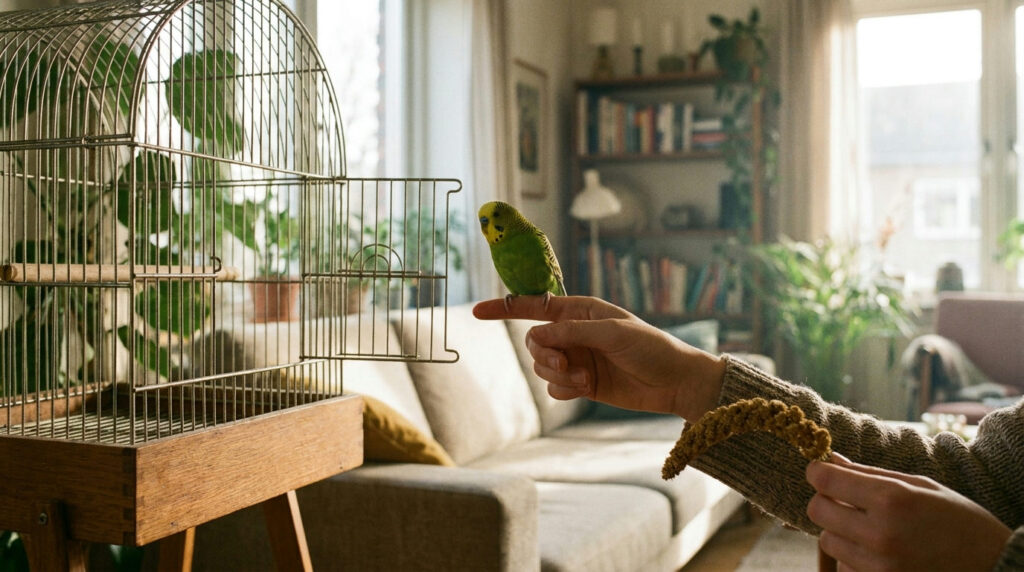
- Birds (e.g., Finches, Canaries): While they can be noisy, smaller bird species like finches and canaries can be wonderful apartment companions. They require a spacious cage relative to their size, opportunities for flight (if safe), and social interaction. Their melodious songs can add a lively, natural element to your home. Consider their social needs and potential for mess before committing. Our article, The Joys of Bird Ownership: Choosing and Caring for Avian Companions, offers further insights.
- Leopard Geckos: As highlighted in our previous article, these quiet, nocturnal reptiles are contained within their terrariums. They are low-maintenance and thrive in a controlled environment. A 10-20 gallon tank is usually sufficient for one leopard gecko, complete with proper heating, lighting, and hiding spots. They are generally quiet and clean, making them superb companions for small living spaces.
Factors to Consider When Choosing Urban Companions
Selecting the right small-space pet involves more than just size. Several other crucial factors influence whether an animal will truly thrive in an apartment setting. Thoughtful consideration of these aspects ensures a happy pet and a harmonious home environment.
Space Requirements and Activity Levels
Firstly, assess the actual space available. While a pet might be small, its need for exercise and enrichment can be significant. A dog, for instance, might be small in stature but require extensive daily walks. Conversely, a rabbit needs a dedicated “rabbit-proofed” area for daily sprints and binkies. Consequently, understanding an animal’s natural activity level is vital. Does it need room to climb, burrow, or run? These needs dictate the actual usable space required, not just the pet’s physical dimensions. Always factor in space for their enclosure, food, water, and exercise.
Noise Considerations for Apartment Dwellers
Secondly, noise is a major factor in multi-unit dwellings. Barking dogs, squawking parrots, or even the incessant squeaking of certain rodents can disturb neighbors. Quiet animals like fish, geckos, or even certain feline breeds are often preferred. If you are considering a bird, research species known for quieter vocalizations, such as finches, rather than larger, louder parrots. Being a good neighbor is part of responsible pet ownership in an apartment setting.
Time Commitment and Care Routines
Thirdly, evaluate your daily schedule. Busy urban professionals need pets whose care routines align with their availability. Fish require daily feeding and weekly tank maintenance. Rabbits need daily interaction, fresh greens, and litter box cleaning. While exotic pets like snakes or tarantulas might seem low-maintenance, they often have specific environmental needs that demand consistent monitoring. Therefore, honesty about your time commitment is essential. A pet is a long-term responsibility, and its well-being depends on your dedication.
Allergies and Pet-Friendly Policies
Furthermore, consider potential allergies. Some breeds of dogs and cats are considered hypoallergenic, which can be a significant advantage. Always check with your building management about pet policies. Many apartments have restrictions on species, size, or number of pets. Some may require pet deposits or monthly pet rent. Understanding these rules upfront will save you considerable trouble and heartbreak. Do your research thoroughly before bringing home a new friend.
Beyond the Usual: Exploring More Unique Urban Pet Options
While the previous suggestions are popular, there are even more fascinating creatures that can make wonderful apartment companions. These often require specialized care but offer unique rewards for the dedicated owner. These are truly some of the best apartment pets for those willing to learn.
Small Lizards and Geckos
Many small lizard species, beyond the Leopard Gecko, thrive in terrariums. Crested Geckos, for example, are arboreal and enjoy climbing, needing a vertical tank. They are relatively quiet and eat a specialized fruit-based diet, supplemented with insects. Similarly, anoles are small, active lizards that are fascinating to observe. These reptiles are contained, quiet, and generally do not require extensive space outside their enclosures. However, they do need precise temperature, humidity, and lighting conditions, as well as specific diets. Learning about their Exotic Pet Health Concerns is crucial for their well-being.
Hermit Crabs
Often overlooked, hermit crabs can be surprisingly engaging apartment pets. They are social creatures and do best in groups of two or more. A 10-gallon tank can house a few small hermit crabs, provided it has proper substrate, climbing opportunities, and humidity control. They are quiet, clean, and fascinating to watch as they change shells and explore their environment. They require relatively low maintenance compared to many other pets, making them suitable for busy individuals. In addition, they are long-lived with proper care, sometimes reaching 10-15 years.
Small Rodents (Rats, Mice, Dwarf Hamsters)
While hamsters were mentioned as the traditional small-space pet, other small rodents also deserve consideration. Fancy rats are highly intelligent, trainable, and social, often forming strong bonds with their owners. They need a large cage with plenty of enrichment and daily out-of-cage time for interaction. Mice are smaller, quieter, and also social, thriving in same-sex groups. Dwarf hamsters, even smaller than Syrian hamsters, are another option, though they can be quite skittish. These small creatures are among the best apartment pets for those who appreciate their unique charm. However, remember that all rodents require regular cage cleaning to prevent odors.
Axolotls
For something truly unique, consider an axolotl. These fascinating aquatic amphibians are entirely contained within their aquarium. They are quiet, relatively low-maintenance once their tank is established, and incredibly captivating to watch. They require a cool water tank, good filtration, and a diet of specialized pellets or worms. Axolotls are truly unique companions that don’t demand much space beyond their tank. They also have a calm demeanor, making them perfect for a serene home environment.
Creating an Ideal Environment for Your Apartment Pet
Bringing any pet into your home requires thoughtful preparation, especially in an apartment. Establishing the right environment from the start ensures your new companion’s health and happiness. Proper setup is key for the best apartment pets.
Pet-Proofing Your Compact Space
Firstly, pet-proofing is non-negotiable. This involves securing electrical cords, removing toxic plants, blocking off small crevices where pets might get stuck, and storing hazardous chemicals safely. For rabbits or small rodents, this means ensuring they cannot chew on wires or furniture. For birds, it means checking for open windows or ceiling fans during out-of-cage time. Furthermore, consider the potential for escape. Small animals can squeeze into surprisingly tight spaces. Our guide on Essential Pet Proofing: Making Your Home Safe for a New Companion provides detailed steps.
Choosing the Right Enclosures and Supplies
Secondly, invest in appropriate enclosures and supplies. A cage that is