
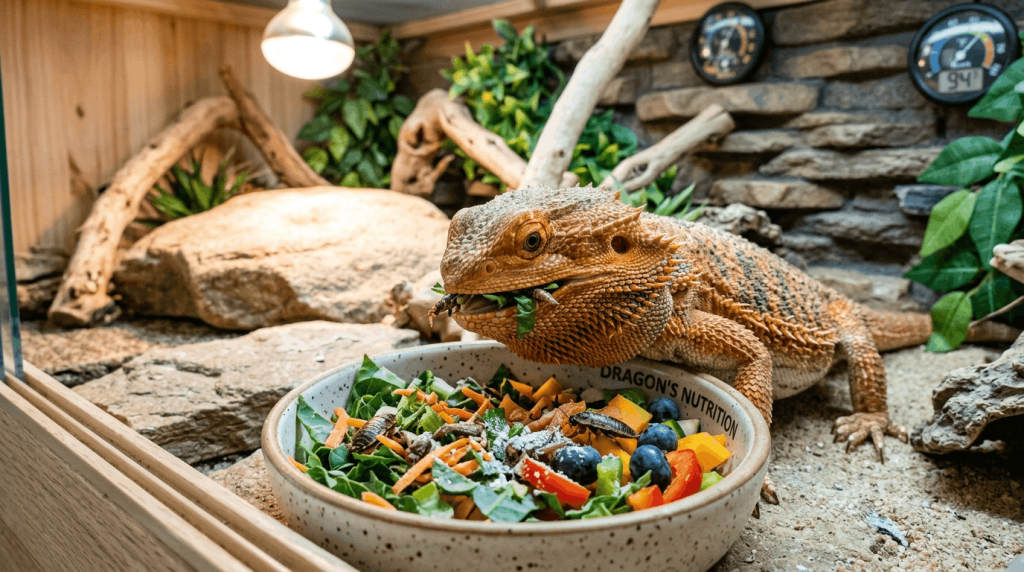

Providing proper nutrition is one of the most important parts of caring for a pet reptile. Bearded dragon food directly affects growth, digestion, energy levels, immune strength, and overall lifespan. While these reptiles often appear hardy and adaptable, poor feeding habits can quickly lead to health problems that become difficult to reverse.
Many first-time owners assume feeding a bearded dragon is simple. However, these reptiles require balanced nutrition that changes with age and activity level. Young dragons need more protein to support rapid growth, while adults require more vegetables and fiber for long-term health. Without the right balance, issues such as metabolic bone disease, obesity, and digestive problems may develop over time.
Healthy feeding routines also improve behavior and quality of life. Well-fed bearded dragons often remain more active, alert, and responsive. In addition, proper nutrition supports brighter coloration, stronger bones, and healthier shedding. Since these reptiles can live for more than a decade with excellent care, understanding diet plays a major role in helping them thrive.
Why Nutrition Matters for Bearded Dragons
A balanced diet supports nearly every function inside a bearded dragon’s body. Bones, muscles, organs, and the immune system all depend on proper nutrients for healthy development and maintenance.
Bearded dragon food provides energy for movement, digestion, and growth. Protein supports muscle development, while vegetables deliver vitamins, minerals, and hydration. Calcium also plays a critical role because reptiles rely heavily on proper mineral balance to maintain bone strength.
Improper nutrition can create serious health problems surprisingly quickly. Calcium deficiency, for example, may lead to metabolic bone disease, which weakens bones and affects mobility. In severe cases, untreated deficiency can cause tremors, deformities, and paralysis.
Digestive health also depends heavily on diet quality. Foods lacking fiber or moisture may contribute to constipation and poor digestion. Likewise, excessive fatty insects can lead to unhealthy weight gain and sluggish behavior.
Hydration remains equally important. Although bearded dragons live in dry environments naturally, they still require moisture from vegetables and occasional water intake. Fresh foods often support hydration better than dry diets alone.
Balanced feeding habits do more than prevent disease. Proper nutrition helps reptiles maintain healthy body weight, steady energy, and stronger immunity against stress and infection.
Understanding Natural Feeding Habits
Bearded dragons are omnivores, meaning they eat both plant matter and insects. In the wild, they consume a wide variety of foods depending on availability, season, and age.
Young dragons naturally eat more insects because rapid growth requires additional protein. Adults gradually shift toward more plant-based foods while still enjoying occasional insects for protein and enrichment.
Bearded dragon food should mimic this natural balance as closely as possible. Captive reptiles thrive when their diet includes a mix of leafy greens, vegetables, and appropriately sized insects.
Variety matters greatly because relying on one food source may create nutritional gaps. Different vegetables provide different vitamins and minerals, while insect variety supports balanced protein intake.
Wild dragons also spend time hunting and foraging throughout the day. Therefore, feeding routines that encourage natural behavior often improve mental stimulation and activity levels in captivity.
Owners should also understand that appetite may fluctuate naturally. Seasonal changes, shedding, stress, and age can all influence feeding patterns temporarily. However, persistent appetite loss usually requires closer observation or veterinary evaluation.
Best Insects for Healthy Growth
Protein-rich insects form an essential part of a healthy reptile diet, especially for younger dragons. However, not all feeder insects provide equal nutritional value.
Bearded dragon food often includes crickets because they are widely available and relatively nutritious. Crickets offer lean protein and encourage natural hunting behavior. However, they should receive nutritious gut-loading foods before feeding to improve their nutritional quality.
Dubia roaches are another excellent option. Many reptile owners prefer them because they contain high protein, lower fat levels, and softer shells that digest more easily.
Black soldier fly larvae provide an additional benefit because they naturally contain calcium. These feeders may support bone health while reducing the need for excessive supplementation.
Mealworms and superworms should remain occasional treats rather than staple foods. Their harder exoskeletons and higher fat content may contribute to digestive problems if fed excessively.
Waxworms also require moderation because they contain significant fat. While dragons enjoy them, frequent feeding can quickly encourage obesity and picky eating habits.
Feeder insects should always match the reptile’s size. In general, insects should not exceed the space between the dragon’s eyes because oversized prey may create choking or digestive issues.
Vegetables That Support Better Health
Plant matter becomes increasingly important as bearded dragons mature. Adult reptiles generally thrive when vegetables make up most of their diet.
Bearded dragon food should include dark leafy greens regularly because they provide calcium, vitamins, and fiber. Collard greens, mustard greens, dandelion greens, and turnip greens work especially well.
Vegetables like squash, bell peppers, and green beans add variety while supporting hydration and nutrient intake. In addition, colorful vegetables often contain antioxidants that support overall wellness.
Some vegetables require moderation due to oxalates or phosphorus levels. Spinach, for example, may interfere with calcium absorption when fed excessively. Therefore, rotating vegetables helps maintain healthier nutritional balance.
Lettuce varieties with high water content but low nutrition should remain limited. Iceberg lettuce, in particular, offers minimal nutritional value and may contribute to loose stool.
Fresh vegetables should always be washed carefully and chopped into manageable pieces. Large chunks may create feeding difficulty, especially for younger reptiles.
A varied salad mixture often encourages healthier eating habits. Many dragons become more interested in meals when textures and colors change regularly.
The Importance of Calcium and Supplements
Calcium remains one of the most critical nutrients for reptiles. Without proper supplementation, even a varied diet may fail to support healthy bone growth and muscle function.
Bearded dragon food should usually receive calcium powder supplementation several times weekly. Young dragons often require more frequent calcium support because their bones develop rapidly during early growth stages.
Vitamin D3 also matters because reptiles weekly. Young dragons often require more frequent calcium support because their bones develop rapidly during early growth stages.
Vitamin D3 also matters because reptiles need it to absorb calcium effectively. Proper UVB lighting works together with diet to maintain healthy bone metabolism.
Without sufficient UVB exposure, calcium deficiencies may develop despite supplementation. Therefore, nutrition and lighting must work together to support long-term health.
Multivitamin supplements also help prevent deficiencies when used correctly. However, excessive supplementation may create imbalances, so moderation remains important.
Signs of calcium deficiency include weakness, tremors, soft jawbones, poor appetite, and difficulty moving. Early intervention becomes essential because advanced metabolic bone disease can cause permanent damage.
Routine veterinary exams help identify subtle nutritional problems before they become severe. Professional guidance often helps owners adjust feeding plans based on age, growth, and health condition.
Foods Bearded Dragons Should Avoid
Some foods may appear harmless yet create serious health risks for reptiles. Understanding unsafe foods helps owners avoid preventable problems.
Bearded dragon food should never include insects caught outdoors because pesticides and parasites may contaminate them. Wild insects can also expose reptiles to harmful chemicals and disease.
Fireflies remain especially dangerous because they contain toxins that may prove fatal even in small amounts. Similarly, avocados and rhubarb should always be avoided due to toxic compounds.
Excessive fruit may create digestive imbalance because high sugar levels are not ideal for regular reptile nutrition. While occasional fruit treats can provide enrichment, they should remain limited.
Dog food and cat food also create problems because protein and fat levels are too high for regular reptile feeding. Long-term use may strain organs and contribute to obesity.
Processed human foods should never become part of a reptile diet. Salty, sugary, or seasoned foods may disrupt digestion and harm overall health.
Certain vegetables require caution as well. Frequent spinach feeding may interfere with calcium absorption, while onions and garlic can irritate the digestive system.
How Feeding Changes With Age
Nutritional needs shift significantly as bearded dragons grow older. Therefore, feeding routines should evolve to match changing metabolism and development.
Young reptiles require more protein because rapid growth demands additional energy and nutrients. Juveniles often eat insects several times daily while receiving smaller amounts of vegetables.
Bearded dragon food for adults should contain more plant matter than protein. Mature dragons usually thrive on diets consisting mostly of vegetables with insects offered several times weekly.
Older reptiles may become less active and require fewer calories overall. Overfeeding adults often leads to obesity and fatty liver disease over time.
Portion control becomes increasingly important with age. Adult dragons may continue eating enthusiastically even when they no longer require additional calories.
Hydration support also matters more for older reptiles. Vegetables containing moisture help support kidney health and digestion as metabolism slows.
Monitoring body condition helps owners make feeding adjustments appropriately. Healthy dragons should appear muscular and alert without excessive fat around the abdomen or tail base.
Common Feeding Mistakes Owners Make
Many nutritional problems develop because of small mistakes repeated consistently over time. Recognizing these habits can help owners prevent long-term health issues.
One common issue involves feeding too many insects. While dragons enjoy protein-rich prey, excessive insect feeding may contribute to obesity and nutritional imbalance in adults.
Bearded dragon food should also never rely entirely on one vegetable type. Repetitive feeding limits nutritional diversity and may increase deficiency risk gradually.
Improper supplementation creates another concern. Some owners skip calcium entirely, while others overuse supplements without understanding dosage balance.
Poor UVB lighting also affects nutrition indirectly. Even excellent diets cannot support healthy calcium metabolism without proper lighting conditions.
Offering oversized prey may lead to choking, digestive blockage, or injury. Smaller feeder insects generally provide safer and more manageable meals.
Many owners also underestimate hydration needs. Although reptiles tolerate dry conditions, chronic dehydration can still affect kidney function and shedding quality over time.
Creating a Long-Term Feeding Routine
Consistency helps reptiles maintain stable digestion and healthier behavior patterns. Predictable feeding routines reduce stress while supporting balanced nutrition.
Bearded dragon food should be offered at similar times daily whenever possible. Morning feeding often works best because reptiles digest food more efficiently after warming under heat lamps.
Fresh vegetables should remain available daily, especially for adults. Insects can then supplement the diet according to age and nutritional needs.
Observation plays a major role in maintaining healthy feeding habits. Appetite changes, stool quality, activity level, and body condition all provide important clues about overall health.
Meal variety also keeps feeding more stimulating. Rotating greens, vegetables, and insect options helps prevent boredom while improving nutrient diversity.
Clean feeding areas support hygiene as well. Uneaten insects and spoiled vegetables should be removed promptly to prevent bacterial growth inside the enclosure.
Most importantly, feeding plans should adapt as the reptile matures. Long-term wellness depends on understanding that dietary needs change throughout different life stages.
Conclusion
Nutrition forms the foundation of reptile health and longevity. Proper bearded dragon food supports strong bones, healthy growth, better digestion, improved immunity, and higher energy levels throughout life. While feeding may seem straightforward initially, balanced nutrition requires thoughtful planning and consistent care.
A varied diet containing nutritious insects, leafy greens, vegetables, and proper supplementation helps reptiles thrive in captivity. In addition, controlled portions and healthy feeding routines reduce the risk of obesity, digestive trouble, and nutritional deficiency.
Healthy reptiles often display brighter colors, stronger activity levels, and more stable behavior. By understanding dietary needs and avoiding common mistakes, owners can support a healthier and longer life for their bearded dragons.
FAQ
1. How often should young bearded dragons eat insects?
Young dragons usually require insect feedings multiple times daily to support rapid growth and energy needs.
2. Which vegetables are best for pet reptiles?
Collard greens, mustard greens, squash, bell peppers, and dandelion greens all provide valuable nutrients.
3. Why is calcium important for reptiles?
Calcium supports bone strength, muscle function, and healthy growth while helping prevent metabolic bone disease.
4. Can bearded dragons eat fruit regularly?
Fruit should remain an occasional treat because excessive sugar may disrupt digestion and overall nutritional balance.
5. What signs suggest dietary problems in reptiles?
Weakness, poor growth, soft bones, appetite loss, bloating, and low energy often indicate nutritional imbalance.