
Creating the right environment for your reptile is one of the most important responsibilities you have as an owner. A safe home for reptiles goes far beyond a simple enclosure, as it must support their natural behaviors, temperature needs, and overall well-being. Because reptiles rely heavily on their environment to regulate body functions, even small mistakes can lead to stress or health issues. Therefore, setting up a proper habitat is essential from the very beginning.
Unlike mammals, reptiles are cold-blooded, which means they depend on external heat sources to survive. This makes habitat design critical to their health. When you create a safe home for reptiles, you are essentially replicating the conditions they would experience in the wild. Over time, this careful attention helps your reptile thrive, remain active, and live a longer, healthier life.
Understanding The Natural Needs Of Reptiles
Every reptile species has its own unique habitat requirements, and understanding these needs is the first step toward building a safe home for reptiles. Some species prefer dry desert environments, while others need high humidity and dense vegetation. Because of these differences, research is essential before setting up any enclosure.
For example, a bearded dragon requires a warm, dry habitat with strong lighting, while a gecko may need a more humid environment with hiding spaces. Therefore, creating a safe home for reptiles involves tailoring the setup to match these natural conditions. When you align the enclosure with your reptile’s instincts, you reduce stress and encourage natural behavior.
In addition, reptiles often need specific temperature gradients within their enclosure. This allows them to move between warmer and cooler areas as needed. Without this balance, your reptile may struggle to regulate its body temperature effectively.
Choosing The Right Enclosure Size And Design
The enclosure is the foundation of a safe home for reptiles, and choosing the right size is essential. A small enclosure can limit movement and cause stress, while a properly sized one allows your reptile to explore and behave naturally. Therefore, always select an enclosure that provides enough space for growth and activity.
Glass tanks, terrariums, and specialized reptile enclosures are common options. Each has its advantages, but the key is ensuring proper ventilation and accessibility. Because airflow plays a role in maintaining temperature and humidity, it should never be overlooked.
In addition, the design should include secure lids or doors to prevent escapes. Reptiles are often skilled at finding gaps, so a well-sealed enclosure is crucial. By focusing on these details, you create a safe home for reptiles that protects both your pet and your home environment.
Image Placement And Optimization
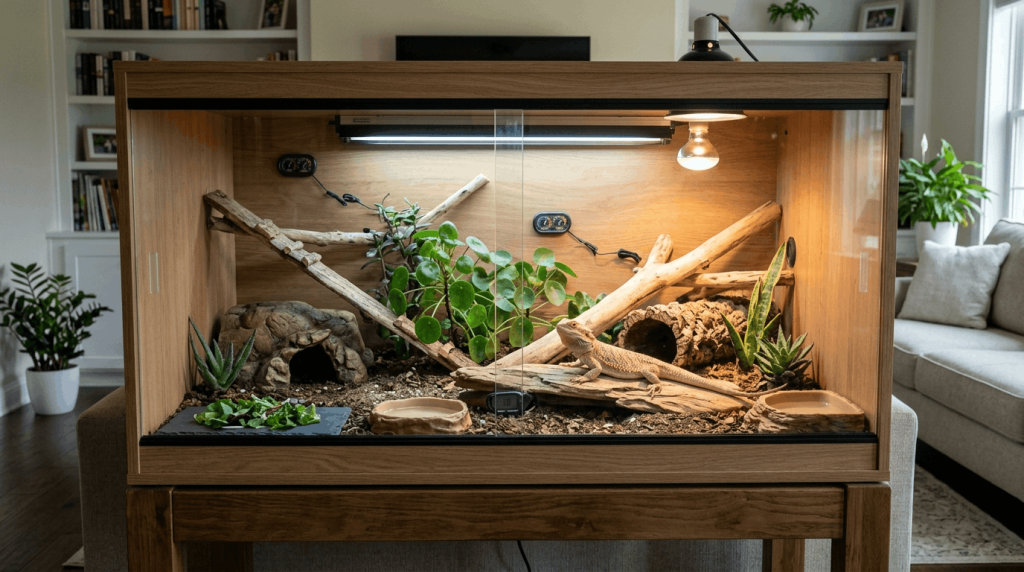
Image 1: A reptile terrarium with proper setup
Alt text: safe home for reptiles enclosure setup
Image 2: Heating and lighting equipment inside a tank
Alt text: safe home for reptiles heating and lighting system
Image 3: Reptile hiding inside a shelter
Alt text: safe home for reptiles with hiding spaces
Proper Heating And Lighting Setup
Heating and lighting are among the most critical elements when creating a safe home for reptiles. Because reptiles depend on external heat, you must provide a reliable heat source that mimics natural sunlight. Heat lamps, ceramic heaters, and under-tank heaters are commonly used to achieve this.
Equally important is UVB lighting, which helps reptiles synthesize vitamin D3 and absorb calcium. Without it, they can develop serious health problems. Therefore, a safe home for reptiles must include both heat and UVB lighting to support proper metabolism.
It is also important to monitor temperatures regularly. Using thermometers and thermostats ensures that the environment stays within the correct range. By maintaining consistent conditions, you create a stable and healthy habitat for your reptile.
Maintaining Proper Humidity Levels
Humidity is another key factor in building a safe home for reptiles, as different species require different moisture levels. For example, tropical reptiles need higher humidity, while desert species thrive in drier conditions. Because of this, adjusting humidity to match your reptile’s natural environment is essential.
Misting systems, water dishes, and substrate choices all influence humidity levels. By selecting the right combination, you can maintain a balanced environment. In addition, monitoring humidity with a hygrometer helps ensure accuracy.
Improper humidity can lead to shedding issues and respiratory problems. Therefore, maintaining the right levels is a crucial part of creating a safe home for reptiles. Over time, consistent humidity supports healthy skin and overall comfort.
Providing Hiding Spaces And Enrichment
Reptiles need places to hide and feel secure, which makes this an essential part of a safe home for reptiles. Hiding spots reduce stress and allow your pet to rest without feeling exposed. Natural-looking shelters, rocks, and plants can all serve this purpose.
In addition, enrichment helps keep your reptile active and engaged. Climbing branches, textured surfaces, and varied layouts encourage exploration. Because reptiles may become bored in simple environments, adding enrichment improves their quality of life.
These elements also mimic natural habitats, which supports instinctive behavior. By including hiding spaces and enrichment, you create a safe home for reptiles that feels both secure and stimulating.
Safe Substrate And Cleanliness Practices
The substrate, or bedding, plays a significant role in maintaining a safe home for reptiles. Different species require different types of substrate, such as sand, soil, or reptile carpet. Choosing the wrong material can lead to health issues, so it is important to match the substrate to your reptile’s needs.
Cleanliness is equally important. Regular cleaning prevents the buildup of bacteria and waste, which can harm your reptile. Therefore, maintaining hygiene is a key part of creating a safe home for reptiles.
Spot cleaning daily and performing deeper cleanings regularly helps maintain a healthy environment. In addition, replacing substrate when needed ensures that your enclosure remains safe and comfortable.
Preventing Household Risks And Escapes
Even with a well-designed enclosure, external risks can affect your reptile. Creating a safe home for reptiles involves considering the surrounding environment as well. Avoid placing the enclosure near direct sunlight, drafts, or high-traffic areas that may cause stress.
Electrical safety is also important. Heating and lighting equipment should be installed securely to prevent accidents. Using proper outlets and checking connections regularly helps reduce risk.
In addition, always ensure that the enclosure is escape-proof. A secure setup prevents your reptile from wandering into unsafe areas. By addressing these factors, you strengthen the overall safety of your reptile’s home.
Building A Long-Term Care Routine
Creating a safe home for reptiles is not a one-time task but an ongoing process. Regular monitoring and adjustments are necessary to maintain ideal conditions. Over time, your reptile’s needs may change, so staying attentive is essential.
Establishing a routine for feeding, cleaning, and equipment checks helps maintain consistency. This routine not only supports physical health but also reduces stress. Because reptiles thrive in stable environments, consistency plays a major role in their well-being.
Learning and adapting over time ensures that your setup continues to meet your reptile’s needs. By staying proactive, you create a safe home for reptiles that supports long-term health and happiness.
Conclusion
Building the right habitat is one of the most important aspects of reptile care, and creating a safe home for reptiles requires attention to detail and consistency. From proper heating and humidity to secure enclosures and enrichment, each element contributes to a healthy and comfortable environment.
While the process may seem complex at first, it becomes easier with experience and routine. By focusing on your reptile’s natural needs and maintaining a stable setup, you provide the foundation for a long and healthy life. Ultimately, a safe home for reptiles is not just about housing your pet; it is about creating an environment where it can truly thrive.
FAQ
- What size enclosure does a reptile need?
The enclosure should be large enough for your reptile to move freely and grow comfortably. - How do I maintain the right temperature?
Use heat lamps and thermostats to keep temperatures within the recommended range. - Do reptiles need UVB lighting?
Yes, most reptiles require UVB lighting for proper calcium absorption and health. - How often should I clean the enclosure?
Spot clean daily and perform a full cleaning regularly to maintain hygiene. - Why are hiding spaces important for reptiles?
Hiding spaces reduce stress and help reptiles feel secure in their environment.