When it comes to your pet’s comfort, understanding what makes a home temperature safe for dogs is more important than many owners realize. While dogs are adaptable, they still rely heavily on their environment to regulate body temperature, especially indoors where airflow and natural temperature shifts are limited. As a result, even small changes in your home can affect your dog’s health, mood, and overall well-being.
Many pet owners assume that if a temperature feels fine for humans, it must be safe for dogs as well. However, that assumption can lead to discomfort or even serious risks. Dogs experience heat and cold differently due to their fur, size, breed, and age. Therefore, creating a home temperature safe for dogs requires more awareness than simply adjusting your thermostat based on personal preference.
Understanding how temperature affects your dog allows you to create a more comfortable and healthier living space. In the following sections, you’ll learn what temperature ranges are ideal, how to recognize warning signs, and what adjustments can make your home safer throughout the year.
Why Temperature Matters For Your Dog
Dogs cannot sweat like humans, which makes temperature regulation more challenging. Instead, they rely on panting and limited sweat glands in their paws. Because of this, maintaining a home temperature safe for dogs becomes essential, especially during extreme weather.
Heat can quickly overwhelm a dog’s cooling system. On the other hand, cold temperatures can cause discomfort or even hypothermia in certain breeds. Smaller dogs, short-haired breeds, and older pets are especially vulnerable. Therefore, keeping your indoor climate balanced plays a major role in your dog’s daily comfort.
Additionally, temperature influences behavior. If your dog seems restless, lethargic, or unusually anxious, the environment could be a contributing factor. Many owners overlook this connection, yet it is one of the easiest things to fix once you recognize it.
Ideal Indoor Temperature Range For Dogs
In most cases, the ideal home temperature safe for dogs falls between 20°C to 24°C (68°F to 75°F). This range works well for the majority of breeds and sizes. However, adjustments may be necessary depending on your dog’s specific needs.
For example, thick-coated breeds like Huskies tolerate cooler environments better. Meanwhile, short-haired dogs such as Greyhounds prefer warmer conditions. Puppies and senior dogs also require extra attention, as they struggle more with temperature regulation.
During the day, maintaining a consistent indoor climate helps your dog stay relaxed and active. At night, slightly cooler temperatures are often acceptable, provided your dog has proper bedding. Still, you should avoid drastic drops, as consistency is key when maintaining a home temperature safe for dogs.
Signs Your Home May Be Too Hot
Even if your thermostat seems reasonable, your dog may still feel overheated. Therefore, it’s important to watch for signs that your home temperature safe for dogs might actually be too high.
Excessive panting is usually the first indicator. While panting is normal, rapid or heavy breathing suggests discomfort. Additionally, drooling, lethargy, and a lack of appetite often point to overheating. In more severe cases, dogs may become disoriented or unresponsive.
Moreover, certain areas in your home can trap heat. Rooms with poor ventilation, direct sunlight, or limited airflow tend to become warmer than the rest of the house. Because of this, you should regularly check different spaces to ensure a consistent home temperature safe for dogs throughout your entire living area.
Signs Your Home May Be Too Cold
Just as heat can be dangerous, cold environments also pose risks. Maintaining a home temperature safe for dogs means recognizing when your pet feels too cold.
Shivering is the most obvious sign. However, dogs may also curl up tightly, seek warm spots, or become less active. In some cases, they may even whine or show signs of discomfort without clear reason.
Small breeds and dogs with thin coats are especially sensitive to cold temperatures. Therefore, if your home tends to run cooler, you may need to provide additional warmth. Simple solutions like blankets, raised beds, or insulated sleeping areas can help maintain a home temperature safe for dogs without significantly raising your energy costs.
Adjusting Temperature Based On Seasons
Seasonal changes often require adjustments to maintain a home temperature safe for dogs. During summer, keeping your home cool becomes a priority. Air conditioning, fans, and proper ventilation all help prevent overheating. However, you should avoid placing your dog directly in front of strong airflow, as this can cause discomfort.
In contrast, winter requires a different approach. While heating systems keep your home warm, they can also create dry air. Therefore, maintaining humidity levels helps your dog stay comfortable. Additionally, ensure your dog has access to warm resting areas, especially during colder nights.
Transition seasons like spring and fall can be unpredictable. Because temperatures fluctuate, monitoring your dog’s behavior becomes even more important. By staying attentive, you can quickly adjust your environment to maintain a home temperature safe for dogs throughout the year.
How Different Breeds React To Temperature
Not all dogs respond to temperature in the same way. Breed characteristics play a significant role in determining what feels comfortable. For instance, large, thick-coated dogs handle cooler environments better than smaller, short-haired breeds.
Brachycephalic breeds, such as Bulldogs and Pugs, are particularly sensitive to heat. Their shorter snouts make breathing less efficient, which limits their ability to cool down. As a result, maintaining a home temperature safe for dogs is even more critical for these breeds.
On the other hand, working breeds often tolerate a wider range of temperatures. However, that doesn’t mean they are immune to discomfort. Every dog has limits, and recognizing those limits helps you create a safer environment tailored to your pet’s needs.
Simple Ways To Maintain A Safe Temperature
Creating a home temperature safe for dogs does not require complicated systems or expensive upgrades. In fact, small changes often make the biggest difference.
Start by using a reliable thermostat to maintain consistent temperatures. Additionally, consider placing temperature monitors in different rooms. This helps identify areas that may become too hot or too cold.
Providing access to fresh water is also essential. Hydration plays a major role in temperature regulation, especially during warmer months. Meanwhile, comfortable bedding allows your dog to adjust naturally by moving to warmer or cooler spots as needed.
You can also improve airflow by opening windows or using fans. However, always ensure your dog remains safe and secure when windows are open. These simple steps go a long way in maintaining a home temperature safe for dogs without major effort.
Common Mistakes Dog Owners Make
Many pet owners unintentionally create uncomfortable environments by overlooking key details. One common mistake is setting the thermostat based solely on human comfort. While it may feel perfect to you, it might not be ideal for your dog.
Another issue involves leaving pets alone without proper climate control. Even short periods can become risky if temperatures shift unexpectedly. Therefore, always ensure your home maintains a home temperature safe for dogs before leaving.
Additionally, ignoring warning signs can lead to bigger problems. If your dog shows signs of discomfort, it’s important to respond quickly. Small adjustments often resolve the issue, but delays can increase the risk of health complications.
Creating Comfort Beyond Temperature
While temperature plays a major role, comfort involves more than just numbers on a thermostat. A truly home temperature safe for dogs also considers airflow, humidity, and resting areas.
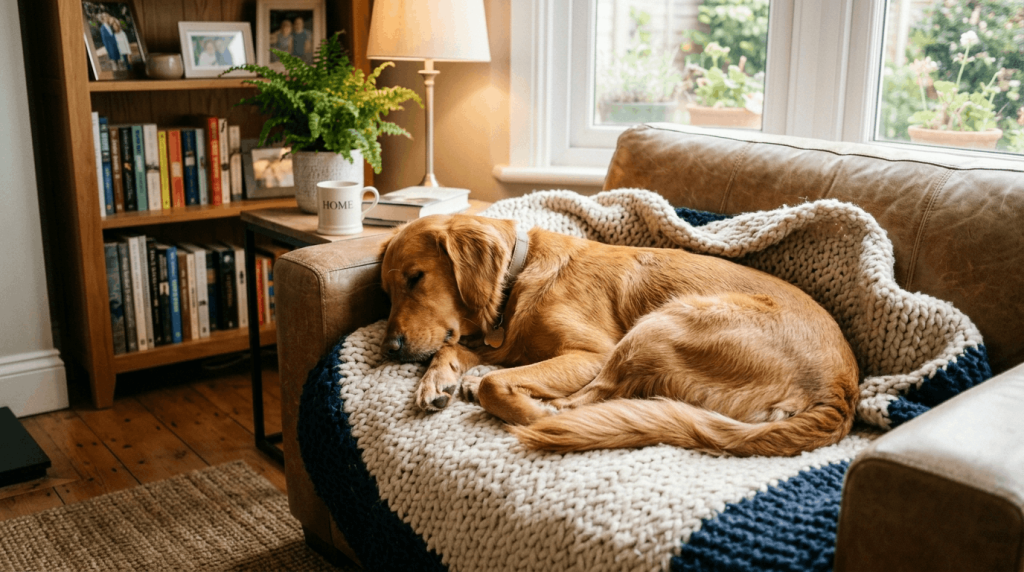
Soft bedding helps regulate body heat by providing insulation during cooler conditions. Meanwhile, shaded areas prevent overheating during warmer periods. Even the placement of your dog’s bed can make a difference, as certain spots may be warmer or cooler than others.
Consistency is equally important. Sudden changes in temperature can cause stress, even if the new setting falls within a safe range. Therefore, gradual adjustments help your dog adapt more comfortably.
By combining temperature control with thoughtful environmental design, you create a space that supports your dog’s overall well-being.
Conclusion
Maintaining a home temperature safe for dogs is one of the simplest yet most impactful ways to support your pet’s health and happiness. While dogs are resilient, they still depend on a stable environment to feel comfortable and secure.
By understanding ideal temperature ranges, recognizing warning signs, and making small adjustments, you can prevent discomfort and reduce potential risks. More importantly, you create a living space where your dog can relax, sleep, and thrive without unnecessary stress.
As you become more aware of your dog’s needs, managing indoor temperature becomes second nature. Over time, these habits ensure your home remains a safe and welcoming environment for your pet, no matter the season.
FAQ
1. What indoor temperature is comfortable for most dogs?
Most dogs feel comfortable between 20°C and 24°C, although breed and age can influence this range.
2. Can dogs tolerate colder indoor temperatures at night?
Yes, slightly cooler temperatures are usually fine, but dogs should always have warm bedding.
3. How can I tell if my dog is too hot indoors?
Look for heavy panting, drooling, lethargy, or unusual behavior, which may indicate overheating.
4. Do small dogs need warmer indoor conditions?
Smaller dogs often need warmer environments because they lose heat more quickly than larger breeds.
5. Is air conditioning safe for pets?
Air conditioning is safe when used properly, but avoid direct airflow and maintain a consistent setting.