
Creating the right home for your pet goes beyond size and convenience, yet many owners overlook the importance of species friendly small pet housing. While cages and enclosures may look suitable, they often fail to meet the natural needs of small animals. As a result, pets can become stressed, inactive, or even unhealthy over time.
Small pets such as hamsters, guinea pigs, rabbits, and mice all have unique instincts and behaviors. Therefore, their housing should reflect how they live in the wild. When you design an environment that supports natural movement, exploration, and rest, your pet thrives both physically and mentally.
Although it may seem overwhelming at first, building a better habitat often involves simple adjustments. With a thoughtful approach, you can transform basic housing into a comfortable and enriching space.
Understanding Natural Needs And Behaviors
To create effective species friendly small pet housing, it is essential to understand how each animal behaves naturally. Different species have distinct habits, including burrowing, climbing, grazing, or hiding. Ignoring these instincts often leads to boredom or stress.
For example, hamsters love to dig and tunnel, while guinea pigs prefer open spaces for movement. Rabbits need room to hop and stretch, whereas mice enjoy climbing and exploring vertical space. When these needs are not met, pets may develop unhealthy behaviors.
By observing your pet and researching its species, you can design a habitat that supports natural activity. This approach creates a more comfortable and stimulating environment.
Choosing The Right Enclosure Size
One of the most common mistakes is choosing an enclosure that is too small. However, species friendly small pet housing always prioritizes adequate space. Small pets may be tiny, but they still need room to move freely and express natural behaviors.
A cramped enclosure limits activity and can lead to health issues. For instance, lack of movement often contributes to weight gain or muscle weakness. On the other hand, a spacious enclosure encourages exercise and exploration.
Whenever possible, choose the largest enclosure that fits your space. Providing extra room allows you to add enrichment features without overcrowding the habitat.
Creating Zones For Activity And Rest
A well-designed enclosure should include separate areas for different activities. This is a key aspect of species friendly small pet housing because it mirrors how animals organize their space in the wild.
For example, pets benefit from having a designated sleeping area, feeding area, and play zone. These zones help create structure and encourage natural routines. As a result, pets feel more secure and less stressed.
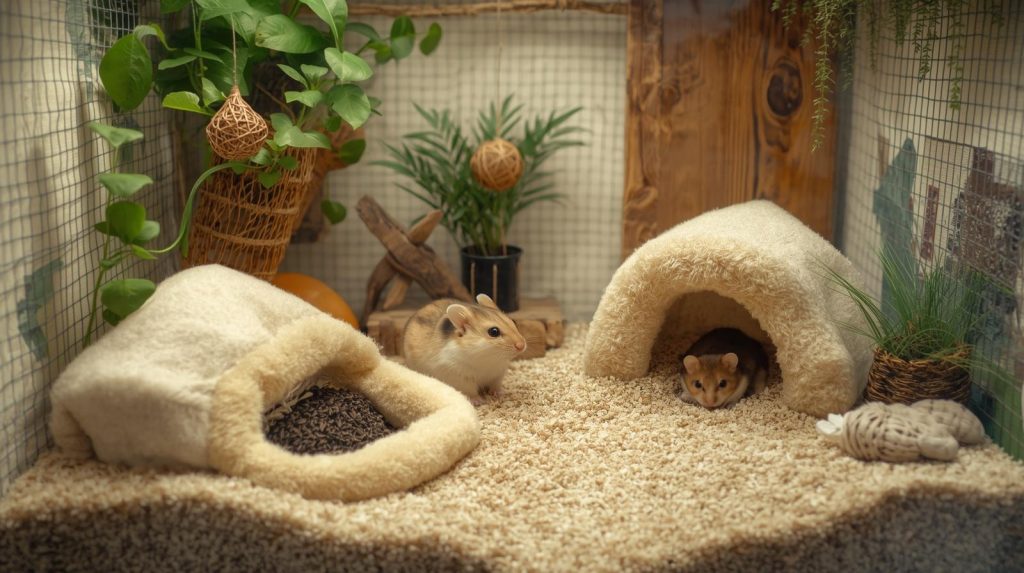
Adding hides, tunnels, and bedding materials helps define these spaces. This setup allows your pet to choose where to rest or explore throughout the day.
Providing Proper Bedding And Substrate
Bedding plays a crucial role in comfort and enrichment. In species friendly small pet housing, the type and depth of substrate should match the animal’s natural behavior. Some pets require deep bedding for digging, while others need soft surfaces for resting.
For burrowing animals, deep layers of safe bedding encourage tunneling and exploration. This activity keeps them mentally stimulated and physically active. Meanwhile, animals that do not burrow still benefit from soft, absorbent materials.
Choosing non-toxic and dust-free bedding ensures your pet’s safety. Additionally, regular cleaning maintains hygiene without removing all familiar scents.
Adding Enrichment And Stimulation
Enrichment is essential for keeping small pets active and engaged. Species friendly small pet housing includes features that encourage play, exploration, and problem-solving. Without these elements, pets may become bored or lethargic.
Tunnels, chew toys, climbing structures, and foraging opportunities all contribute to enrichment. These additions mimic natural behaviors and provide mental stimulation. As a result, pets remain more active and alert.
Rotating toys and rearranging items occasionally keeps the environment fresh. Even small changes can spark curiosity and encourage movement.
Ensuring Proper Ventilation And Lighting
Airflow and lighting are often overlooked, yet they are critical components of species friendly small pet housing. Poor ventilation can lead to odor buildup and respiratory issues, especially in enclosed cages.
Choosing enclosures with good airflow helps maintain a healthy environment. At the same time, placing the habitat in a well-lit area supports natural day and night cycles. However, direct sunlight should be avoided to prevent overheating.
Balancing light and shade ensures your pet stays comfortable throughout the day. This simple adjustment can greatly improve overall well-being.
Supporting Social And Solitary Needs
Different small pets have different social preferences. Some animals thrive in groups, while others prefer solitude. Understanding this is essential when designing species friendly small pet housing.
Guinea pigs, for example, benefit from companionship and should often be housed together. In contrast, hamsters are typically solitary and may become aggressive if housed with others. Ignoring these needs can lead to stress or conflict.
Providing appropriate social environments helps pets feel secure and reduces anxiety. It also supports natural behaviors that contribute to happiness and health.
Maintaining Cleanliness Without Stress
Cleanliness is important, but it must be handled carefully. In species friendly small pet housing, frequent cleaning should not remove all familiar scents. Pets rely on scent to feel safe, so completely resetting their environment can cause stress.
Spot cleaning daily and performing deeper cleaning periodically strikes a good balance. This approach keeps the enclosure hygienic while maintaining a sense of familiarity.
Using safe cleaning products ensures that your pet is not exposed to harmful chemicals. A clean yet stable environment supports both health and comfort.
Adapting Housing As Pets Grow
Small pets change over time, so their housing should evolve as well. Species friendly small pet housing involves adjusting the environment based on age, size, and activity level. Young animals may require more stimulation, while older pets may need easier access to resources.
For example, aging pets may benefit from softer bedding or lower platforms. At the same time, younger pets often need more enrichment to stay active. Regularly assessing your pet’s needs helps maintain a suitable habitat.
These adjustments ensure that your pet remains comfortable and supported throughout its life.
Balancing Safety And Exploration
While enrichment is important, safety must always come first. Species friendly small pet housing should allow exploration without exposing pets to risks. Secure enclosures, safe materials, and stable structures are essential.
Checking for sharp edges, loose parts, or toxic materials helps prevent accidents. At the same time, providing safe spaces for exploration encourages confidence and activity.
Balancing safety with stimulation creates an environment where pets can thrive without unnecessary danger.
Conclusion
Species friendly small pet housing is about more than just providing a place to live. It involves creating an environment that supports natural behavior, comfort, and overall well-being. By focusing on space, enrichment, and species-specific needs, you can significantly improve your pet’s quality of life.
Small changes, such as adding tunnels or adjusting bedding, can make a big difference. Over time, these improvements lead to healthier, happier pets that are more active and engaged.
Ultimately, understanding your pet’s needs and responding to them thoughtfully is the key to successful housing. With the right setup, your small pet can enjoy a safe, enriching, and fulfilling environment.
FAQ
- What size enclosure is best for small pets?
The largest enclosure you can provide is usually best, as it allows for movement and enrichment. - Do all small pets need bedding?
Most do, but the type and depth depend on the species and their natural behaviors. - Can small pets live together?
Some species thrive in groups, while others need to live alone to avoid stress or aggression. - How often should I clean a pet enclosure?
Daily spot cleaning and regular deep cleaning help maintain hygiene without causing stress. - What makes a good small pet habitat?
A good habitat includes space, enrichment, proper bedding, ventilation, and features that support natural behavior.