

Many reptile owners focus on temperature, lighting, and feeding, yet reptile enrichment activities are often overlooked. While these basics are essential, they do not fully support a reptile’s mental and physical well-being. Without proper stimulation, reptiles can become inactive, stressed, and less responsive over time.
In the wild, reptiles constantly explore, hunt, and react to their environment. However, captivity limits these natural behaviors unless enrichment is intentionally provided. Therefore, adding thoughtful stimulation helps replicate a more natural lifestyle and encourages healthy activity.
Even simple changes can transform a reptile’s enclosure into a more engaging space. With the right approach, you can improve your pet’s quality of life without creating unnecessary complexity.
Understanding Natural Behavior Patterns
To create effective reptile enrichment activities, it is important to understand how reptiles behave in the wild. Each species has unique habits, including climbing, burrowing, basking, or hunting. When these behaviors are restricted, reptiles may become inactive or display signs of stress.
For example, arboreal species like geckos need vertical space and climbing structures. Meanwhile, burrowing reptiles benefit from deep substrate that allows digging. Ignoring these natural tendencies often leads to under-stimulation.
By observing your reptile and researching its species, you can design an environment that supports natural movement. This approach helps your pet stay active and mentally engaged.
Designing A Functional And Dynamic Habitat
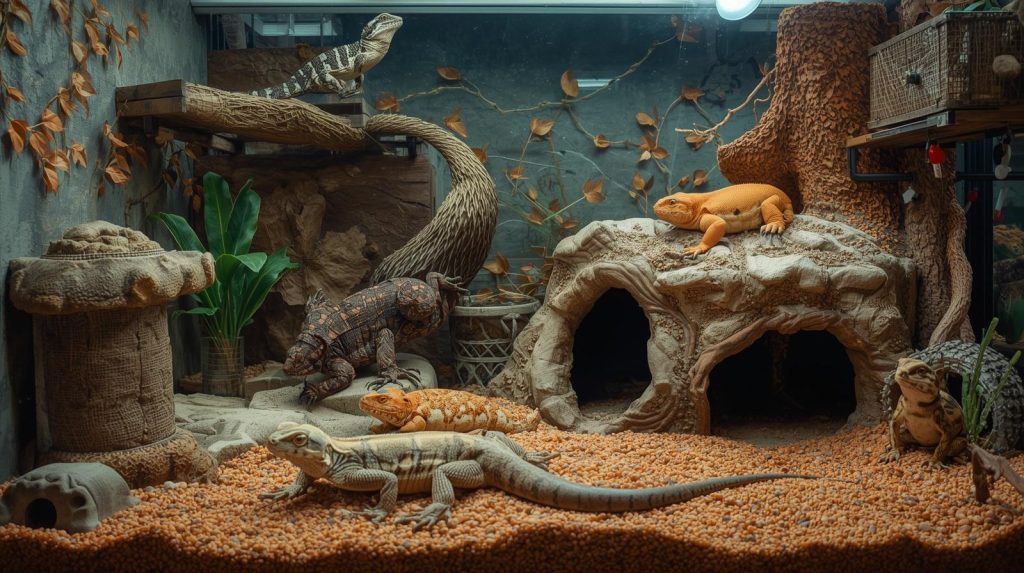
One of the most important reptile enrichment activities involves creating a habitat that encourages exploration. A simple enclosure may meet basic needs, but it often lacks stimulation. Adding branches, rocks, and hides creates variety and encourages movement.
These elements allow reptiles to climb, hide, and explore different areas. As a result, they remain more active throughout the day. Rearranging the enclosure occasionally can also refresh their environment.
However, changes should be gradual to avoid stress. A stable yet slightly evolving habitat keeps reptiles curious while maintaining comfort.
Encouraging Natural Feeding Behaviors
Feeding routines offer an excellent opportunity to introduce reptile enrichment activities. Instead of presenting food in the same way every time, you can simulate natural hunting conditions. This encourages both physical activity and mental stimulation.
For example, placing food in different areas of the enclosure promotes movement. Live feeding, when appropriate, can also trigger natural hunting instincts. As reptiles chase prey, they engage muscles and sharpen their responses.
It is important to match feeding methods to your reptile’s species. Some reptiles prefer active hunting, while others rely on ambush strategies. Adjusting your approach ensures enrichment remains effective.
Providing Opportunities For Climbing And Exploration
Climbing is a natural behavior for many reptiles, so including vertical space is essential. Among reptile enrichment activities, adding branches, ledges, and platforms encourages movement and exploration.
Even ground-dwelling reptiles benefit from varied terrain. Small elevations, tunnels, or textured surfaces can make a significant difference. These features create a more dynamic environment that keeps reptiles engaged.
Additionally, exploring different levels of the enclosure helps maintain physical fitness. Over time, this reduces the risk of inactivity-related health issues.
Incorporating Hiding And Security Spaces
While activity is important, reptiles also need places to retreat. Providing hiding spots is a key part of reptile enrichment activities because it supports natural behavior and reduces stress.
Hides allow reptiles to feel secure, especially during rest or when they sense changes in their environment. Without these spaces, reptiles may remain exposed and uncomfortable.
Using multiple hides in different temperature zones helps reptiles regulate their body temperature. This setup encourages movement between areas while maintaining a sense of safety.
Using Substrate For Digging And Interaction
Substrate choice plays a major role in enrichment. For burrowing species, this is one of the most effective reptile enrichment activities. Deep, safe substrate allows reptiles to dig, explore, and create their own spaces.
Even species that do not burrow extensively can benefit from textured substrates. These surfaces encourage natural movement and provide sensory stimulation.
However, it is important to choose substrate materials that are safe and appropriate for your reptile. Proper selection ensures enrichment does not compromise health.
Adjusting Lighting And Environmental Variation
Lighting and temperature are essential for reptile care, but they can also support enrichment. Gradual changes in light intensity or basking areas create a more natural environment. These adjustments are subtle yet valuable reptile enrichment activities.
For example, providing multiple basking spots encourages reptiles to move throughout the enclosure. Similarly, creating shaded areas offers contrast and choice.
This variation allows reptiles to regulate their comfort levels. As a result, they remain more active and engaged with their surroundings.
Introducing Safe Environmental Changes
Reptiles respond to changes in their environment, so occasional adjustments can provide stimulation. Among reptile enrichment activities, this method is simple yet effective. Adding new objects or rearranging existing ones introduces novelty.
These changes encourage reptiles to explore and investigate. However, consistency remains important, so changes should not be too frequent or drastic.
Balancing stability with occasional variation helps maintain interest without causing stress.
Encouraging Sensory Stimulation
Reptiles rely on their senses to interact with the world. Therefore, incorporating sensory elements is another valuable part of reptile enrichment activities. Textures, scents, and visual changes can all contribute to stimulation.
For instance, adding natural materials like bark or leaves introduces new textures. These elements encourage exploration and interaction. While reptiles may not respond like mammals, they still benefit from varied sensory input.
Careful selection of materials ensures safety while enhancing the environment.
Maintaining Routine With Controlled Variety
Consistency provides comfort, yet variety keeps reptiles engaged. A balanced approach to reptile enrichment activities combines routine with occasional changes. Feeding schedules, lighting cycles, and habitat structure should remain stable.
At the same time, small variations such as new hiding spots or feeding methods can add interest. This balance prevents boredom while maintaining a sense of security.
Observing your reptile’s behavior helps guide these adjustments. Each species responds differently, so flexibility is important.
Conclusion
Reptile enrichment activities are essential for creating a healthy and stimulating environment. While basic care provides survival, enrichment supports well-being and natural behavior. Without it, reptiles may become inactive or stressed despite proper conditions.
By focusing on habitat design, feeding methods, and environmental variation, you can significantly improve your reptile’s quality of life. These changes do not need to be complex, but they should be consistent and thoughtful.
Ultimately, enrichment allows reptiles to express natural behaviors and remain active. With the right approach, you can create a more engaging and rewarding environment for your pet.
FAQ
- Why do reptiles need stimulation in captivity?
Reptiles need stimulation to stay active, reduce stress, and maintain natural behaviors in a limited environment. - How often should I change a reptile enclosure setup?
Small adjustments every few weeks can provide variety without causing unnecessary stress. - Can reptiles get bored in their habitat?
Yes, reptiles can become inactive if their environment lacks stimulation and variation. - What is the best way to keep reptiles active?
Providing climbing structures, varied feeding methods, and environmental changes helps maintain activity. - Are enrichment activities necessary for all reptile species?
Yes, although the type of enrichment varies, all reptiles benefit from stimulation that matches their natural behavior.