
Many pet owners believe they are doing their best when feeding their dogs, yet dog diet mistakes are far more common than people think. Even well-meaning habits can slowly affect a dog’s health, energy levels, and lifespan. Understanding where things often go wrong is the first step toward creating a healthier, more balanced routine for your pet.
Feeding a dog seems simple at first glance, but nutrition is more nuanced than just filling a bowl. Dogs rely entirely on their owners for proper nourishment, so even small oversights can lead to long-term consequences. Fortunately, most of these issues are easy to correct once you recognize them.
Overfeeding Without Realizing It
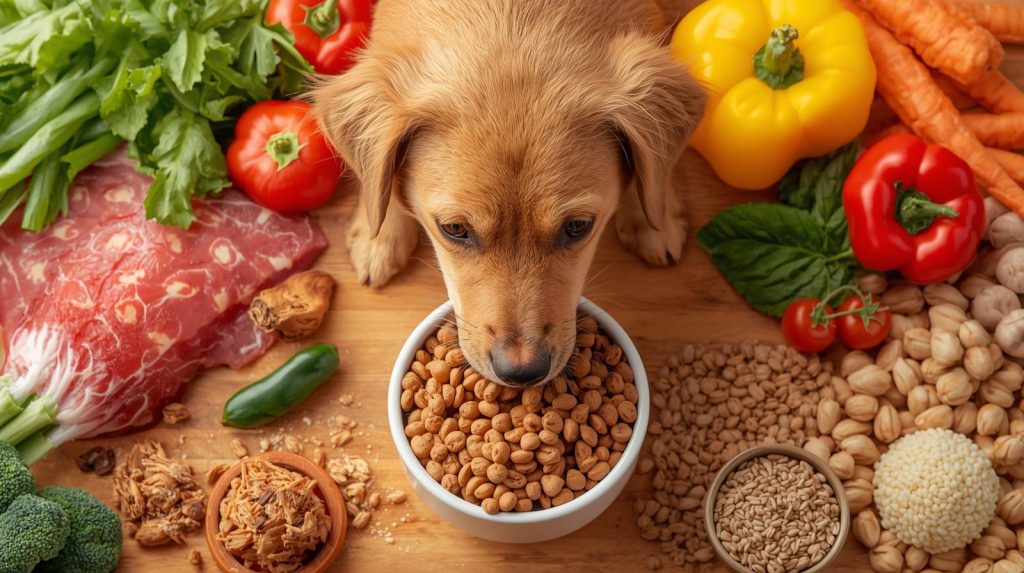
One of the most frequent dog diet mistakes is overfeeding. Many owners associate food with love, so they tend to give extra portions or frequent treats. However, this habit can quickly lead to weight gain, which increases the risk of diabetes, joint problems, and heart disease.
Dogs do not always regulate their food intake naturally, especially when they are offered highly palatable meals. As a result, they may eat more than they need without showing immediate signs of discomfort. Over time, those extra calories add up.
Instead, it helps to follow portion guidelines based on your dog’s weight, age, and activity level. Measuring food consistently can make a noticeable difference. Moreover, reducing unnecessary treats and replacing them with healthier alternatives can help maintain a balanced diet.
Relying Too Much on Table Scraps
Another common issue among dog diet mistakes involves feeding dogs leftovers from the table. While it may seem harmless to share food occasionally, human meals often contain ingredients that are not suitable for dogs. Foods high in salt, fat, or spices can upset their digestive system.
Additionally, some ingredients like onions, garlic, and chocolate are toxic to dogs. Even small amounts can cause serious health issues. Unfortunately, many owners are unaware of these risks and continue feeding scraps without realizing the danger.
Instead of sharing your meals, it is better to stick to dog-specific food that meets their nutritional needs. If you want to give your dog a special treat, opt for safe, dog-friendly snacks rather than leftovers.
Ignoring Ingredient Quality
Not all dog foods are created equal, yet many owners overlook ingredient quality when choosing what to feed their pets. This is one of the more subtle dog diet mistakes, as packaging and marketing often make products appear healthier than they actually are.
Low-quality dog food may contain fillers, artificial additives, and low-grade protein sources. Over time, these ingredients can affect your dog’s coat, digestion, and overall well-being. While the effects may not be immediate, they can become noticeable in the long run.
Choosing high-quality food with real protein, whole ingredients, and minimal processing can significantly improve your dog’s health. Reading labels carefully helps ensure you are providing proper nutrition rather than empty calories.
Switching Foods Too Quickly
Changing your dog’s food abruptly is another overlooked issue. Among common dog diet mistakes, sudden dietary changes can lead to digestive upset, including vomiting or diarrhea. Dogs need time to adjust to new ingredients and nutrient compositions.
A gradual transition is always the safer approach. Start by mixing a small amount of the new food with the old one, then slowly increase the proportion over several days. This allows your dog’s digestive system to adapt without stress.
Patience during this process can prevent unnecessary discomfort and help your dog accept the new diet more easily.
Feeding Based on Habit Instead of Need
Many owners feed their dogs at fixed times without considering their individual needs. While routine is important, rigid feeding schedules can sometimes contribute to dog diet mistakes if they do not align with a dog’s activity level or health condition.
For example, highly active dogs may require more calories, while older or less active dogs need fewer. Ignoring these differences can lead to either overfeeding or underfeeding. In both cases, the dog’s health may suffer.
It is important to adjust feeding habits based on lifestyle changes. Monitoring your dog’s weight and energy levels can help you determine whether their diet is appropriate.
Overlooking Hydration
Although food gets most of the attention, hydration plays a crucial role in a dog’s overall health. One of the less obvious dog diet mistakes is not ensuring consistent access to clean, fresh water.
Dogs can become dehydrated quickly, especially in warm climates or after physical activity. Dehydration can lead to serious issues, including kidney problems and reduced energy levels. Unfortunately, some owners do not monitor water intake as closely as they should.
Providing fresh water at all times and checking bowls regularly can prevent this issue. Additionally, incorporating moisture-rich foods may help improve hydration levels.
Assuming All Dogs Have the Same Needs
Every dog is unique, yet many owners make the mistake of applying a one-size-fits-all approach to feeding. This is another example of dog diet mistakes that can have long-term consequences.
Breed, age, size, and health conditions all influence dietary requirements. Puppies need more calories for growth, while senior dogs may require specialized diets to support joint health. Similarly, certain breeds may have sensitivities or allergies that require specific adjustments.
Taking the time to understand your dog’s individual needs can make a significant difference. Consulting a veterinarian can also provide valuable guidance tailored to your pet.
Giving Too Many Treats
Treats are useful for training and bonding, but excessive use is one of the most overlooked dog diet mistakes. Many treats are high in calories and low in nutritional value, which can contribute to weight gain and imbalanced diets.
It is easy to underestimate how quickly treats add up throughout the day. Even small snacks can significantly increase daily calorie intake. As a result, your dog may consume far more than intended.
Limiting treats to a small portion of your dog’s daily calories can help maintain balance. Choosing healthier options, such as low-calorie treats or natural alternatives, is also beneficial.
Not Reading Feeding Guidelines Properly
Feeding guidelines on dog food packaging are helpful, but they are often misunderstood. Misinterpreting these instructions is another common source of dog diet mistakes.
Some owners use the maximum recommended portion without considering their dog’s activity level. Others may not adjust portions as their dog grows or ages. Both scenarios can lead to improper feeding.
Understanding that these guidelines are starting points rather than strict rules is important. Adjustments should be made based on your dog’s specific needs and condition.
Skipping Regular Diet Evaluations
Many pet owners stick to the same feeding routine for years without reassessing it. However, failing to review your dog’s diet regularly is one of the more subtle dog diet mistakes.
A dog’s nutritional needs change over time. Factors such as aging, health conditions, and lifestyle shifts all play a role. Without periodic evaluation, your dog may not receive the nutrition they require.
Checking your dog’s weight, coat condition, and energy levels can provide useful insights. If something seems off, it may be time to revisit their diet.
Falling for Marketing Claims
Dog food marketing can be misleading, and believing every claim is one of the more modern dog diet mistakes. Labels like “natural,” “premium,” or “grain-free” do not always guarantee quality or suitability.
Some products focus more on branding than actual nutritional value. As a result, owners may choose foods that do not meet their dog’s needs. This can lead to deficiencies or imbalances over time.
Looking beyond marketing and focusing on ingredient lists and nutritional content is essential. Making informed decisions helps ensure your dog gets what they truly need.
Conclusion
Avoiding dog diet mistakes does not require drastic changes, but it does require awareness and consistency. Small improvements in feeding habits can lead to significant benefits in your dog’s health, energy, and overall happiness.
By paying attention to portion sizes, ingredient quality, and individual needs, you can create a balanced diet that supports your pet’s well-being. Moreover, staying informed and regularly evaluating your dog’s nutrition ensures that their needs are always met.
Ultimately, a healthy diet is one of the greatest gifts you can give your dog. With the right approach, you can avoid common pitfalls and help your furry companion live a longer, healthier life.
FAQ
- What are the most common feeding errors for dogs?
Many owners overfeed, give too many treats, or rely on low-quality food without realizing the impact on health. - Can changing dog food suddenly cause problems?
Yes, sudden changes can upset digestion, so it’s best to transition gradually over several days. - How often should I adjust my dog’s diet?
You should review your dog’s diet regularly, especially during life stages like growth or aging. - Are human foods safe for dogs?
Some are safe in small amounts, but many can be harmful, so caution is always necessary. - How do I know if my dog is eating the right amount?
Monitoring weight, energy levels, and overall condition helps determine if portions are appropriate.