
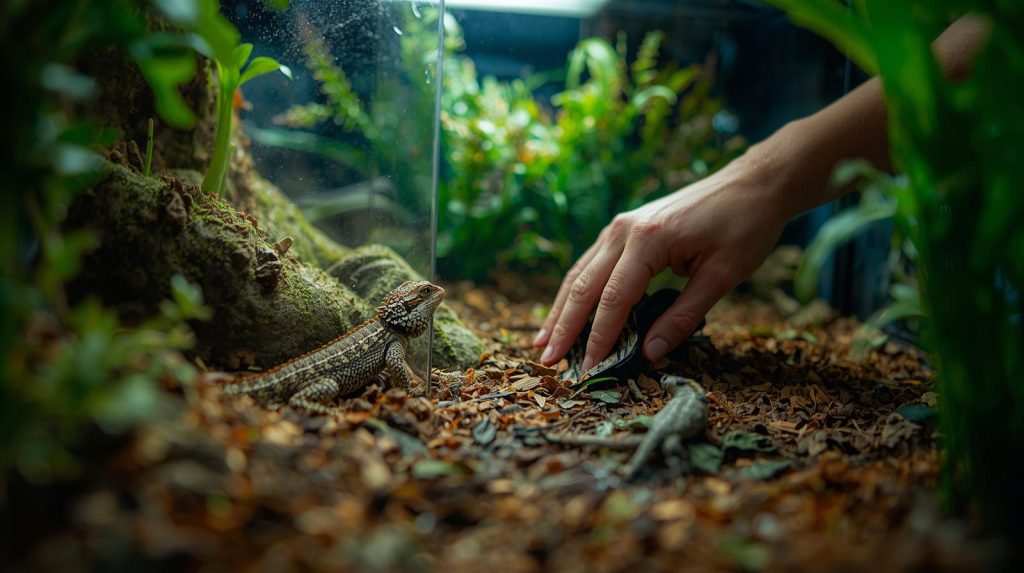

Reptile habitat stress reduction is essential for keeping your pet healthy, calm, and active. While many owners focus on feeding and temperature, stress is often overlooked.
However, reptiles are highly sensitive to their environment. Because they cannot express discomfort easily, stress may go unnoticed until health problems appear.
Therefore, understanding reptile habitat stress reduction allows you to create a stable and supportive enclosure. With the right setup, your reptile can thrive both physically and mentally.
Why Stress Is Dangerous for Reptiles
Stress affects reptiles in several ways. Although it may not be obvious at first, long-term stress can weaken the immune system.
As a result, reptiles may become more vulnerable to infections and illness. Additionally, stress can reduce appetite and slow growth.
Because of this, reptile habitat stress reduction plays a major role in preventing health issues. When stress is minimized, reptiles show better behavior and improved vitality.
Common Causes of Stress in Reptile Enclosures
Many factors can contribute to stress in captivity. Identifying these issues is the first step toward improvement.
Improper Temperature and Humidity
Reptiles rely on external heat sources to regulate their body temperature. If conditions are incorrect, they may struggle to function properly.
Lack of Hiding Spaces
Without secure hiding spots, reptiles feel exposed. This increases anxiety and defensive behavior.
Overhandling
Frequent handling can overwhelm reptiles, especially if they are not accustomed to human interaction.
Because of these factors, reptile habitat stress reduction begins with identifying and correcting environmental problems.
Designing a Natural and Comfortable Habitat
Creating a natural environment helps reptiles feel secure.
Mimicking Natural Surroundings
Use substrate, plants, and decorations that resemble the reptile’s native habitat. This encourages natural behavior.
Providing Multiple Zones
Include both warm and cool areas. This allows reptiles to regulate their body temperature.
Ensuring Proper Lighting
UVB lighting is essential for many species. It supports calcium absorption and overall health.
Therefore, reptile habitat stress reduction depends on accurate habitat design.
Importance of Hiding and Shelter Areas
Hiding spots are crucial for reducing stress.
Why Reptiles Need Shelter
In the wild, reptiles hide to avoid predators. Replicating this behavior in captivity helps them feel safe.
Types of Hiding Spots
Use caves, logs, or artificial shelters. Place them in both warm and cool areas.
Because of this, reptile habitat stress reduction improves when reptiles have access to secure spaces.
Maintaining Consistent Environmental Conditions
Consistency is key to reducing stress.
Stable Temperature
Avoid sudden changes in temperature. Use reliable heating equipment to maintain stability.
Proper Humidity Levels
Each species requires specific humidity levels. Monitor regularly to prevent fluctuations.
Regular Light Cycles
Provide consistent day and night cycles. This supports natural rhythms.
As a result, reptile habitat stress reduction relies on stable environmental conditions.
Reducing Noise and External Disturbances
Reptiles are sensitive to their surroundings.
Avoiding Loud Environments
Place enclosures in quiet areas. Loud noises can cause stress and fear.
Limiting Vibrations
Heavy foot traffic or nearby appliances may create vibrations. These can disturb reptiles.
Because of this, reptile habitat stress reduction includes managing the external environment.
Handling Reptiles the Right Way
Handling should be done carefully and gradually.
Building Trust
Allow your reptile to become familiar with your presence. Start with short interactions.
Recognizing Stress Signals
Signs include:
- Hissing
- Rapid movement
- Attempting to hide
If these occur, reduce handling immediately.
Therefore, reptile habitat stress reduction also involves respectful interaction.
Providing Proper Diet and Hydration
Nutrition plays a role in stress levels.
Balanced Diet
Ensure your reptile receives the correct nutrients. Poor diet can lead to weakness and stress.
Access to Clean Water
Always provide fresh water. Dehydration can increase discomfort.
Because of this, reptile habitat stress reduction includes proper feeding practices.
Monitoring Behavior for Signs of Stress
Observing your reptile helps detect problems early.
Common Stress Indicators
Watch for:
- Loss of appetite
- Excessive hiding
- Aggression
- Lethargy
Responding to Changes
Adjust the environment if you notice unusual behavior. Small changes can make a big difference.
As a result, reptile habitat stress reduction becomes more effective with regular observation.
Importance of Cleanliness in Reducing Stress
A clean enclosure supports overall health.
Preventing Bacteria Build-Up
Dirty habitats can cause illness and discomfort.
Maintaining Fresh Conditions
Regular cleaning keeps the environment safe and pleasant.
Because of this, reptile habitat stress reduction is closely linked to hygiene.
Avoiding Overcrowding and Competition
Too many reptiles in one enclosure can create stress.
Territorial Behavior
Some species are naturally territorial. Sharing space may lead to conflict.
Providing Enough Space
Ensure each reptile has enough room to move and rest.
Therefore, reptile habitat stress reduction includes proper spacing and population control.
Adapting the Habitat Over Time
Reptile needs may change as they grow.
Adjusting for Size and Age
Larger reptiles need more space and different setups.
Updating Equipment
Replace worn-out equipment to maintain safety and comfort.
Because of this, reptile habitat stress reduction requires ongoing adjustments.
Conclusion: Creating a Calm and Supportive Environment
Reptile habitat stress reduction is essential for ensuring your pet’s long-term health and happiness. By focusing on proper habitat design, stable conditions, and gentle handling, you can significantly reduce stress levels.
Moreover, consistent care and observation help you respond quickly to any issues. Small improvements in setup can lead to noticeable changes in behavior and well-being.
Ultimately, reptile habitat stress reduction allows your pet to live comfortably and display natural behaviors. With the right approach, you can create a safe and thriving environment for your reptile.
FAQ
1. What are the main signs of stress in reptiles?
Common signs include loss of appetite, hiding, aggression, and reduced activity levels.
2. How can I make my reptile feel more secure?
Provide hiding spots, maintain stable conditions, and minimize disturbances.
3. Does handling cause stress in reptiles?
Yes, especially if done too often or incorrectly. Gradual handling helps build trust.
4. Why is temperature important for reptile comfort?
Reptiles rely on external heat to regulate their bodies, so stable temperatures are essential.
5. Can habitat design really affect reptile behavior?
Yes, a well-designed enclosure encourages natural behavior and reduces stress significantly.