
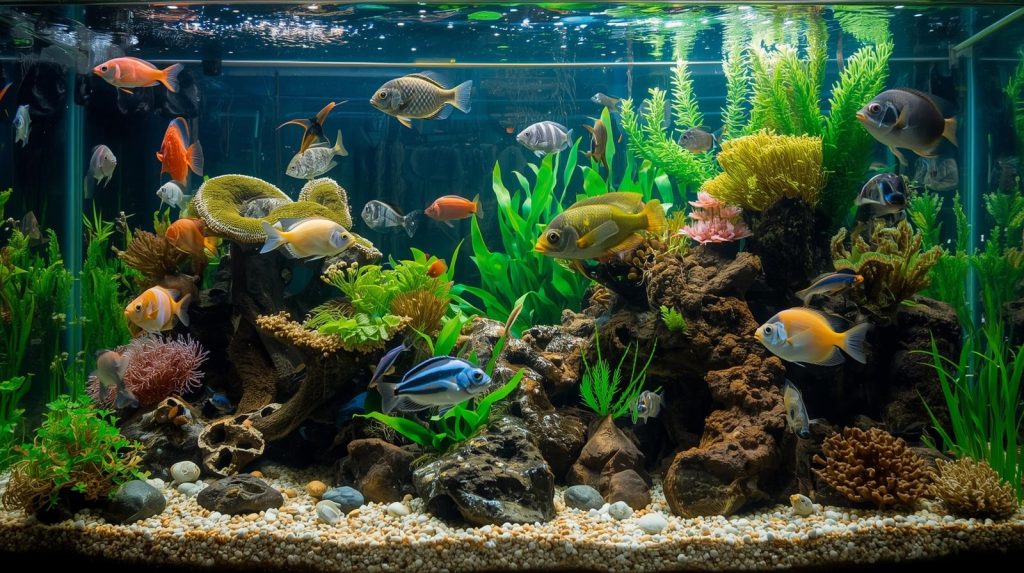

Creating a species friendly fish tank is one of the most important steps in responsible fish keeping. While many aquariums look visually appealing, they often fail to meet the specific needs of the fish inside.
Because each species has unique requirements, a one-size-fits-all approach rarely works. Instead, proper planning ensures that your tank supports natural behaviors, reduces stress, and promotes long-term health.
Therefore, understanding how to build a species friendly fish tank allows you to create a balanced and thriving aquatic environment from the start.
Why Species-Specific Design Matters
Fish are not just decorative pets. They have individual needs based on their natural habitats.
For example, some species prefer fast-moving water, while others thrive in calm environments. Additionally, temperature, lighting, and hiding spaces vary widely.
Because of this, a species friendly fish tank helps prevent stress, aggression, and illness. When fish feel comfortable, they display natural behaviors and vibrant colors.
Moreover, proper design improves compatibility between tank mates and reduces conflict.
Choosing the Right Tank Size
Tank size plays a critical role in fish health. Although small tanks may seem convenient, they often lead to overcrowding.
Why Space Is Essential
Fish need room to swim freely and establish territories. Limited space increases stress and aggression.
As a result, a species friendly fish tank always considers the adult size of each fish, not just their current size.
Avoiding Overcrowding
Overcrowding leads to poor water quality and increased waste buildup. This can harm fish and disrupt the ecosystem.
Therefore, selecting an appropriate tank size is the foundation of a successful setup.
Understanding Water Parameters
Water conditions must match the natural habitat of your fish.
Temperature Requirements
Different species require different temperature ranges. Tropical fish need warm water, while others prefer cooler conditions.
Maintaining consistent temperature is essential for stability.
pH and Hardness
Water chemistry affects fish health. Some species thrive in acidic water, while others need alkaline conditions.
Because of this, a species friendly fish tank includes regular testing and adjustments.
Filtration and Oxygen Levels
Proper filtration keeps water clean and oxygenated. Additionally, good circulation supports fish health.
Without it, toxins can build up quickly.
Selecting Compatible Fish Species
Not all fish can live together peacefully. Compatibility is key to maintaining harmony.
Avoiding Aggression
Some fish are territorial or aggressive. Mixing them with peaceful species can lead to injuries.
Matching Behavior and Needs
Choose fish with similar:
- Activity levels
- Water requirements
- Temperaments
Because of this, a species friendly fish tank reduces conflict and promotes stability.
Creating Natural Habitat Features
Replicating natural environments helps fish feel secure.
Substrate Choices
Different fish prefer different substrates. For example, bottom dwellers need soft sand, while others prefer gravel.
Plants and Decorations
Live plants provide shelter and improve water quality. Decorations also create hiding spots.
However, avoid sharp edges that can harm fish.
Lighting Conditions
Lighting should mimic natural cycles. Too much light can stress fish, while too little may affect plant growth.
Therefore, balance is essential.
Feeding for Species-Specific Needs
Diet plays a major role in fish health.
Understanding Dietary Requirements
Some fish are herbivores, while others are carnivores or omnivores. Feeding the wrong food can lead to malnutrition.
Avoiding Overfeeding
Overfeeding pollutes the water and harms fish. Instead, provide small portions that fish can consume quickly.
Because of this, a species friendly fish tank includes a controlled feeding routine.
Maintaining Water Quality
Clean water is essential for a healthy aquarium.
Regular Water Changes
Partial water changes remove toxins and replenish essential minerals.
Monitoring Ammonia and Nitrate Levels
High levels of waste products can be toxic. Testing water regularly helps prevent problems.
Cleaning the Tank
Remove debris and clean filters as needed. However, avoid over-cleaning, which can disrupt beneficial bacteria.
As a result, consistent maintenance supports a stable environment.
Providing Enrichment and Stimulation
Fish need more than just basic survival conditions.
Encouraging Natural Behavior
Add features that allow fish to explore, hide, and interact.
Rotating Decorations
Changing the layout occasionally can keep fish engaged.
Because of this, a species friendly fish tank supports both physical and mental well-being.
Common Mistakes to Avoid
Even experienced owners make mistakes that affect fish health.
Mixing Incompatible Species
This often leads to stress and aggression.
Ignoring Water Parameters
Unstable conditions can cause illness or death.
Overcrowding the Tank
Too many fish create an unhealthy environment.
Skipping Regular Maintenance
Neglecting cleaning and testing leads to poor water quality.
Avoiding these mistakes helps maintain a species friendly fish tank.
Adapting the Tank Over Time
Fish needs may change as they grow.
Adjusting for Growth
As fish mature, they may require more space or different conditions.
Monitoring Behavior
Changes in behavior can indicate stress or health issues.
Because of this, a species friendly fish tank requires ongoing observation and adjustments.
Benefits of a Well-Designed Aquarium
A properly designed tank offers many advantages.
Healthier Fish
Fish experience fewer illnesses and live longer.
Reduced Stress
A comfortable environment promotes calm behavior.
Improved Appearance
Healthy fish display brighter colors and more natural movements.
Therefore, investing time in setup pays off in the long run.
Conclusion: Building the Ideal Aquatic Environment
A species friendly fish tank is more than just a decorative setup. It is a carefully planned environment that supports the unique needs of each fish.
By focusing on tank size, water quality, compatibility, and habitat design, you create a space where fish can thrive. Additionally, consistent care and observation ensure long-term success.
Ultimately, a species friendly fish tank leads to healthier fish, a more balanced ecosystem, and a more rewarding aquarium experience.
FAQ
1. What makes a fish tank suitable for different species?
A suitable tank matches water conditions, space, and habitat features to the needs of each fish species.
2. How many fish can I keep in one tank?
It depends on tank size and species. Avoid overcrowding to maintain water quality and reduce stress.
3. Do all fish need the same water temperature?
No, different species require different temperature ranges for optimal health.
4. How often should I clean my aquarium?
Perform partial water changes weekly and clean filters regularly to maintain water quality.
5. Can I mix different types of fish in one tank?
Yes, but only if they are compatible in behavior, size, and environmental needs.