
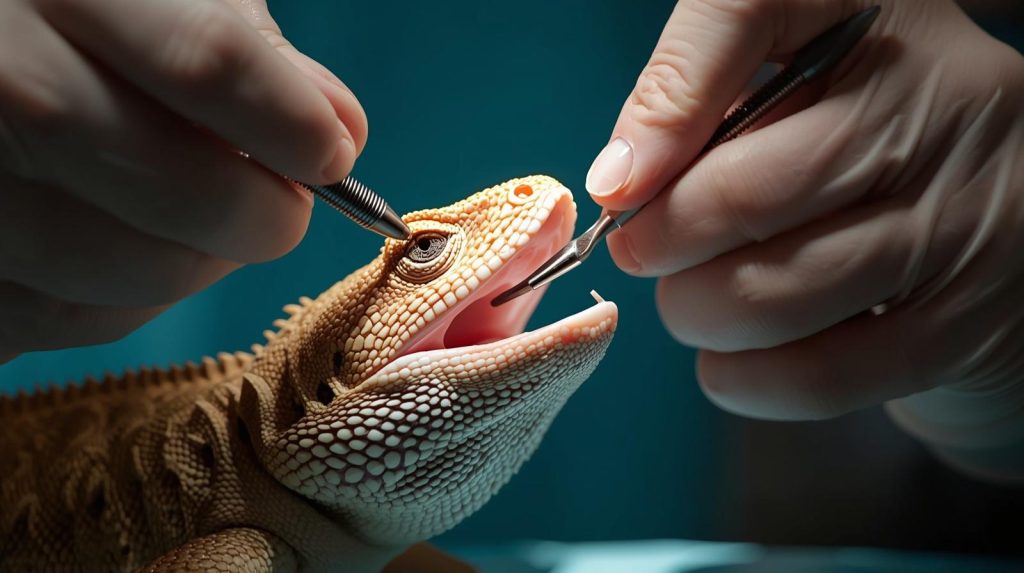

Many reptile owners focus on habitat and feeding. However, reptile oral health care is just as important for long-term well-being. A healthy mouth supports proper eating, digestion, and overall vitality.
Unlike mammals, reptiles do not show obvious signs of dental problems. Therefore, issues often go unnoticed until they become serious. That is why reptile oral health care should be part of your regular routine.
By understanding common risks and prevention methods, you can protect your reptile from painful infections. In turn, your pet will stay active, comfortable, and healthy.
Why Oral Health Matters in Reptiles
A reptile’s mouth plays a key role in survival. Reptile oral health care helps prevent infections that can spread quickly throughout the body.
Reptiles use their mouths for feeding, defense, and exploration. As a result, bacteria can easily enter through small injuries.
Without proper care, these bacteria may lead to conditions like mouth rot. This infection can cause swelling, discharge, and difficulty eating.
Therefore, maintaining good oral hygiene is essential. Healthy mouths support better feeding and stronger immune systems.
Common Oral Health Problems in Reptiles
Understanding risks is important. Reptile oral health care begins with identifying common problems early.
The most frequent issues include:
- Mouth rot (infectious stomatitis)
- Injuries from feeding or enclosure items
- Plaque buildup or debris
- Swelling or inflammation
These problems often start small. However, they can worsen quickly without attention.
Early detection makes treatment easier. Therefore, regular checks are essential.
Signs Your Reptile May Have Oral Issues
Reptiles rarely show obvious discomfort. Reptile oral health care requires careful observation of subtle signs.
Watch for:
- Loss of appetite
- Excess saliva or discharge
- Swelling around the mouth
- Difficulty opening or closing the jaw
Behavior changes can also indicate problems. For example, a normally active reptile may become lethargic.
Recognizing these signs early helps prevent serious complications.
Diet and Its Impact on Oral Health
Diet plays a major role. Reptile oral health care depends on providing the right food for your pet.
Improper diets can lead to nutritional deficiencies. These weaken the immune system and increase infection risk.
For example:
- Soft foods may not clean the mouth effectively
- Poor nutrition can reduce resistance to bacteria
Providing species-appropriate diets supports strong oral health.
Additionally, feeding clean, fresh food reduces contamination risks.
Importance of Clean Enclosures
Hygiene is critical. Reptile oral health care is closely linked to a clean living environment.
Dirty enclosures harbor bacteria. These bacteria can enter the mouth during feeding or exploration.
To maintain cleanliness:
- Remove waste daily
- Clean surfaces regularly
- Disinfect water and feeding areas
A clean enclosure reduces exposure to harmful microorganisms.
Consistent hygiene supports overall health and prevents infections.
Safe Feeding Practices to Prevent Injury
Feeding methods matter. Reptile oral health care includes preventing injuries during feeding.
Live prey can bite or scratch your reptile. This creates entry points for infection.
Instead, consider:
- Pre-killed prey
- Feeding with tongs
- Monitoring feeding sessions
These practices reduce the risk of oral injuries.
Safe feeding ensures both nutrition and protection.
Regular Mouth Inspections
Routine checks are essential. Reptile oral health care involves examining your pet’s mouth regularly.
Look for:
- Redness or swelling
- Unusual growths
- Discharge or odor
Use gentle handling to avoid stress. If your reptile resists, consult a professional.
Regular inspections help detect issues early. Early treatment improves outcomes significantly.
Hydration and Its Role in Oral Health
Hydration supports many bodily functions. Reptile oral health care also depends on proper moisture levels.
Dehydration can lead to dry tissues. This makes the mouth more vulnerable to damage and infection.
Ensure your reptile has access to clean water. Additionally, maintain proper humidity levels for their species.
Balanced hydration keeps tissues healthy and resilient.
Environmental Factors That Affect Oral Health
Environmental conditions play a role. Reptile oral health care requires proper temperature and humidity.
Incorrect conditions can weaken the immune system. This increases susceptibility to infections.
Maintain:
- Appropriate temperature gradients
- Stable humidity levels
- Proper lighting
These factors support overall health and reduce oral disease risk.
Consistency is key for long-term success.
When to Seek Veterinary Care
Sometimes, professional help is necessary. Reptile oral health care includes knowing when to consult a vet.
Seek assistance if you notice:
- Persistent swelling
- Refusal to eat
- Visible lesions
Veterinarians can diagnose and treat infections effectively.
Early intervention prevents complications and improves recovery.
Preventing Mouth Rot in Reptiles
Mouth rot is a serious condition. Reptile oral health care focuses on prevention.
To reduce risk:
- Maintain a clean enclosure
- Provide proper nutrition
- Avoid injuries during feeding
Additionally, monitor your reptile closely. Early signs should never be ignored.
Prevention is always easier than treatment.
Handling Your Reptile Safely
Handling affects health. Reptile oral health care includes minimizing stress and injury.
Rough handling can cause mouth injuries. These injuries may lead to infection.
Handle your reptile gently and confidently. Avoid forcing the mouth open unless necessary.
Proper handling builds trust and reduces risk.
Long-Term Benefits of Good Oral Care
Consistent care leads to better outcomes. Reptile oral health care supports long-term health and comfort.
Healthy reptiles are:
- More active
- Better eaters
- Less prone to disease
Additionally, they show fewer behavioral issues.
Investing in proper care improves your reptile’s quality of life.
Conclusion
Reptile oral health care is a vital part of responsible pet ownership. By focusing on diet, hygiene, and regular inspections, you can prevent many common issues.
Simple habits, such as maintaining a clean enclosure and practicing safe feeding, make a big difference. Over time, these efforts lead to a healthier and more active pet.
Pay attention to small changes and act quickly when needed. With consistent care, your reptile can enjoy a long, comfortable life.
FAQ
1. How often should I check my reptile’s mouth?
It is best to check weekly for any signs of swelling, discharge, or abnormalities.
2. What causes mouth rot in reptiles?
Mouth rot is usually caused by bacteria entering through injuries or poor environmental conditions.
3. Can diet affect a reptile’s oral health?
Yes, a proper diet supports immunity and reduces the risk of infections.
4. Is it safe to feed live prey to reptiles?
Live prey can cause injuries. Using pre-killed prey is often safer.
5. When should I take my reptile to a vet?
Seek help if you notice swelling, refusal to eat, or unusual changes in the mouth.