
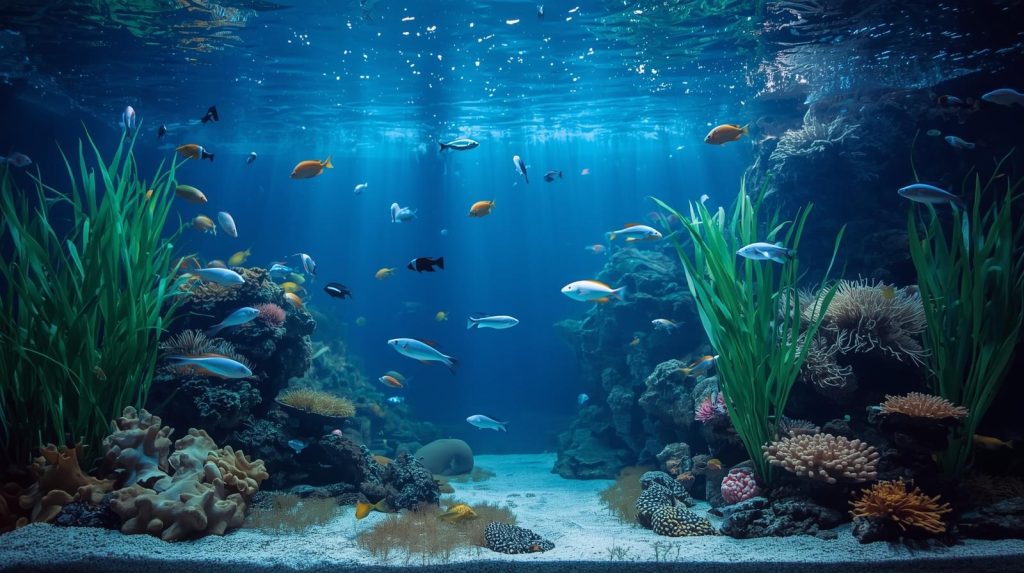

A thriving aquarium starts with proper care. A clean aquarium setup is the foundation of fish health, water clarity, and long-term success. Without it, even the most beautiful tank can quickly become a source of stress for your fish.
Fish rely entirely on their environment. Therefore, poor water conditions can lead to illness and behavioral issues. On the other hand, a clean aquarium setup supports natural behavior and stable conditions.
Whether you are a beginner or experienced hobbyist, understanding proper setup and maintenance is essential. With the right approach, you can create a healthy, balanced, and visually appealing aquarium.
Why Cleanliness Matters for Fish Health
Fish are highly sensitive to their surroundings. A clean aquarium setup reduces harmful toxins and keeps water conditions stable.
Waste, uneaten food, and debris break down over time. As a result, they release ammonia and other toxic substances. These can damage gills and weaken the immune system.
In contrast, clean water promotes better oxygen exchange and healthier fish. Additionally, fish display brighter colors and more active behavior in a well-maintained tank.
Consistency is key. Small, regular cleaning habits prevent major problems later.
Choosing the Right Tank and Equipment
The foundation of a clean aquarium setup begins with proper equipment. Selecting the right tank size and tools makes maintenance easier.
Larger tanks are often more stable. They dilute waste more effectively and reduce sudden changes. Therefore, beginners may find them easier to manage.
Essential equipment includes:
- A reliable filtration system
- A heater for temperature control
- A thermometer for monitoring
- Lighting suited for your tank type
Each component plays a role in maintaining water quality. Investing in quality equipment saves time and effort in the long run.
Filtration: The Heart of a Healthy Tank
Filtration is critical for maintaining a clean aquarium setup. A good filter removes debris and supports beneficial bacteria.
There are three main types of filtration:
- Mechanical filtration removes visible waste
- Biological filtration breaks down harmful toxins
- Chemical filtration removes impurities
Together, these systems keep water safe and clear. Without proper filtration, toxins can build up quickly.
Additionally, avoid over-cleaning your filter. Beneficial bacteria need time to grow and stabilize.
Establishing the Nitrogen Cycle
The nitrogen cycle is essential for any aquarium. A clean aquarium setup depends on this natural process.
Beneficial bacteria convert harmful ammonia into less toxic substances. This process takes time to establish.
Before adding fish, cycle your tank properly. This may take several weeks.
During this period:
- Monitor water parameters regularly
- Avoid adding too many fish at once
- Be patient with the process
A fully cycled tank provides a stable and safe environment.
Proper Substrate and Decoration Choices
Substrate and decorations affect cleanliness. A clean aquarium setup includes materials that are easy to maintain.
Gravel and sand are common choices. Each has benefits depending on your tank type.
Decorations should:
- Be aquarium-safe
- Avoid sharp edges
- Allow easy cleaning
Additionally, avoid overcrowding the tank with decorations. Too many items trap debris and make cleaning harder.
Balanced design improves both aesthetics and maintenance.
Regular Water Changes and Maintenance
Routine care is essential. A clean aquarium setup requires consistent water changes.
Partial water changes remove waste and replenish essential minerals. Typically, changing 10–25% of the water weekly works well.
When performing water changes:
- Use dechlorinated water
- Match temperature closely
- Clean debris from the substrate
Consistency prevents sudden spikes in toxins. As a result, fish remain healthy and stress-free.
Feeding Habits That Support Clean Water
Feeding practices directly impact water quality. A clean aquarium setup depends on proper feeding routines.
Overfeeding is a common mistake. Excess food sinks and decomposes, polluting the water.
Instead:
- Feed small portions
- Observe fish while feeding
- Remove uneaten food quickly
Balanced feeding keeps waste levels low. This makes maintenance easier and more effective.
Controlling Algae Growth Naturally
Algae is a natural part of any aquarium. However, excessive growth can disrupt a clean aquarium setup.
To control algae:
- Limit light exposure to 8–10 hours daily
- Avoid placing tanks in direct sunlight
- Maintain proper nutrient balance
Additionally, certain fish and snails help manage algae naturally.
While some algae is normal, keeping it under control improves water clarity and appearance.
Monitoring Water Parameters Consistently
Testing water regularly is essential. A clean aquarium setup relies on stable parameters.
Key factors to monitor include:
- pH levels
- Ammonia
- Nitrite
- Nitrate
Sudden changes can stress fish. Therefore, regular testing helps detect problems early.
Using a test kit allows you to adjust conditions before issues arise.
Avoiding Overcrowding in Your Tank
Stocking levels affect cleanliness. A clean aquarium setup requires enough space for each fish.
Too many fish produce excess waste. This leads to poor water quality and increased stress.
Research each species before adding them. Consider their size, behavior, and compatibility.
Balanced stocking keeps the ecosystem stable and easier to maintain.
Cleaning Without Disrupting the Ecosystem
Cleaning should be gentle and consistent. A clean aquarium setup does not mean removing everything at once.
Avoid deep cleaning the entire tank at the same time. This can disrupt beneficial bacteria.
Instead:
- Clean sections gradually
- Rinse filter media in tank water
- Avoid harsh chemicals
Maintaining balance is more important than achieving perfect cleanliness.
Creating a Maintenance Schedule
Consistency makes maintenance easier. A clean aquarium setup benefits from a structured routine.
A simple schedule may include:
- Daily observation of fish behavior
- Weekly water changes
- Monthly equipment checks
Regular routines prevent problems before they start.
Additionally, tracking your maintenance helps you stay consistent.
Common Mistakes to Avoid
Even experienced hobbyists make errors. A clean aquarium setup requires awareness of common mistakes.
Avoid:
- Overfeeding fish
- Skipping water changes
- Using untreated tap water
- Cleaning too aggressively
Each mistake can disrupt the balance of your tank. Therefore, focus on steady and careful maintenance.
Learning from these errors improves long-term success.
Long-Term Benefits of a Clean Aquarium
A clean aquarium setup offers lasting advantages. Fish remain healthier, more active, and less stressed.
You will notice:
- Clearer water
- Brighter fish colors
- Reduced disease risk
Additionally, maintenance becomes easier over time. A stable system requires less effort to manage.
Investing in proper care leads to a more enjoyable aquarium experience.
Conclusion
A clean aquarium setup is essential for maintaining healthy fish and a balanced ecosystem. By focusing on proper equipment, regular maintenance, and consistent care, you create an environment where fish can thrive.
Simple habits, such as controlled feeding and routine water changes, make a significant difference. Over time, these practices lead to a stable and visually appealing tank.
Start with the basics and build a routine that works for you. With patience and consistency, your aquarium will remain clean, healthy, and rewarding for years to come.
FAQ
1. How often should I clean my aquarium?
Partial water changes should be done weekly, while deeper maintenance can be scheduled monthly.
2. What is the best way to keep aquarium water clear?
Proper filtration, regular water changes, and controlled feeding help maintain clarity.
3. Can I clean the entire tank at once?
It is not recommended. Cleaning everything at once can disrupt beneficial bacteria.
4. Why does my aquarium get dirty quickly?
Overfeeding, overcrowding, and poor filtration are common causes.
5. Do I need special water for my fish tank?
Tap water can be used if treated with a dechlorinator to remove harmful chemicals.