
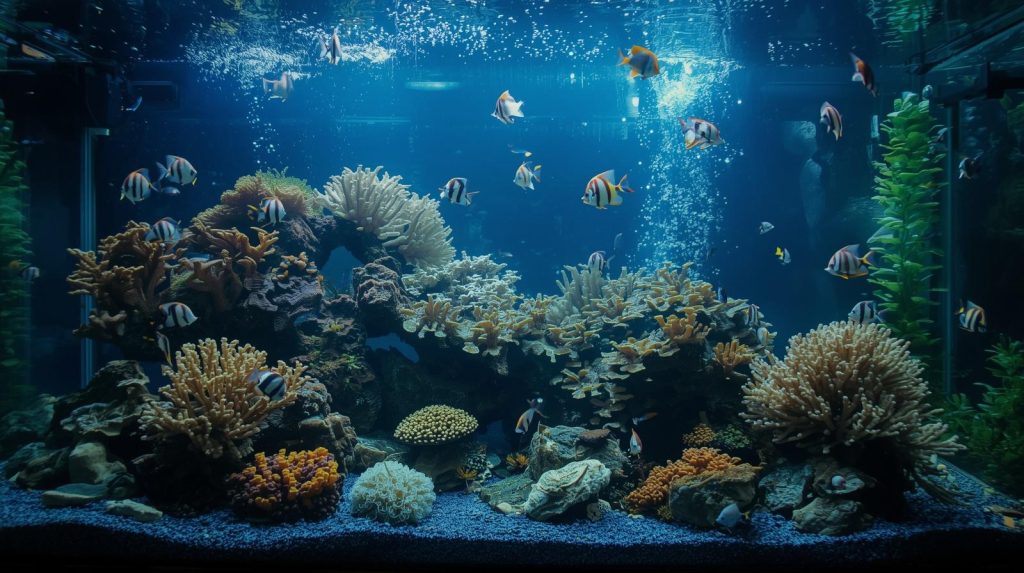

Creating the right tank setup is more than decoration. A calm aquarium environment plays a vital role in your fish’s health and behavior. Fish are highly sensitive to their surroundings. Therefore, even small disturbances can cause stress.
Many beginners focus on equipment and forget about atmosphere. However, fish need stability, quiet, and proper layout to feel secure. When you build a calm aquarium environment, you support natural behavior and long-term well-being.
With the right approach, your aquarium becomes a peaceful space. Not only for your fish, but also for you.
Why Fish Need a Calm and Stable Environment
Fish rely on consistency. A calm aquarium environment helps reduce stress and prevents illness. Unlike other pets, fish cannot escape discomfort. They depend entirely on their surroundings.
When the tank is too bright or noisy, fish may hide constantly. In contrast, a stable environment encourages natural swimming and feeding behavior.
Stress affects fish in many ways. It weakens their immune system and increases disease risk. Therefore, maintaining calm conditions is essential for their survival.
Additionally, calm fish display better colors and more active behavior. This improves both their health and your enjoyment.
Choosing the Right Location for Your Tank
Placement matters more than most people realize. A calm aquarium environment starts with selecting the right spot in your home.
Avoid placing the tank near:
- Loud speakers or televisions
- High-traffic areas
- Direct sunlight
- Doors that open frequently
Instead, choose a quiet, stable location. A corner of a room often works well.
Consistent lighting and minimal disturbance help fish feel secure. Moreover, fewer environmental changes reduce stress over time.
A good location sets the foundation for a peaceful aquarium.
Lighting: Finding the Perfect Balance
Lighting plays a key role in creating a calm aquarium environment. Too much light can overwhelm fish. Too little light can disrupt their natural rhythm.
Use soft, consistent lighting that mimics natural daylight. Avoid sudden changes, such as turning lights on or off abruptly.
Timers are helpful. They create a predictable day and night cycle. As a result, fish adapt and feel more comfortable.
Additionally, avoid placing tanks in direct sunlight. This can cause temperature spikes and algae growth.
Balanced lighting supports both calm behavior and a healthy ecosystem.
Water Flow and Filtration Setup
Water movement affects fish comfort. A calm aquarium environment requires gentle and steady flow.
Strong currents can stress fish. Some species prefer still or slow-moving water. Therefore, adjust your filter output accordingly.
Choose filters that provide:
- Quiet operation
- Adjustable flow rates
- Consistent performance
If the current is too strong, use decorations or plants to break the flow. This creates calmer zones within the tank.
Stable water movement helps fish swim naturally without constant effort.
Tank Size and Stocking Levels
Overcrowding is a common mistake. A calm aquarium environment depends on proper space for each fish.
Too many fish create competition for resources. This leads to stress, aggression, and poor water quality.
Follow recommended stocking guidelines. Research each species before adding them to your tank.
Larger tanks are often easier to manage. They provide more stable conditions and reduce sudden changes.
Adequate space allows fish to establish territories and move freely.
Aquascaping for Comfort and Security
Aquascaping is not just for aesthetics. A calm aquarium environment includes thoughtful design that supports fish behavior.
Include:
- Plants for hiding and shelter
- Rocks and driftwood for structure
- Open swimming areas
Fish need places to retreat when they feel threatened. At the same time, they require space to explore.
Balance is key. Too many decorations can overcrowd the tank. Too few can leave fish feeling exposed.
A well-designed layout creates both security and freedom.
Choosing Compatible Fish Species
Compatibility plays a major role in maintaining a calm aquarium environment. Not all fish get along.
Aggressive species can cause constant stress. Even peaceful fish may become anxious around incompatible tank mates.
Before adding fish, research:
- Temperament
- Size differences
- Social behavior
Keeping compatible species together promotes harmony. As a result, your tank becomes more stable and peaceful.
A balanced community reduces conflict and improves overall health.
Maintaining Water Quality Consistently
Water quality is critical. A calm aquarium environment depends on clean and stable conditions.
Test water regularly for:
- pH levels
- Ammonia
- Nitrites
- Nitrates
Perform regular water changes to maintain balance. However, avoid sudden large changes.
Gradual maintenance prevents shock. Fish adapt better to small, consistent adjustments.
Clean water supports both physical health and stress reduction.
Reducing Noise and External Disturbances
Noise affects fish more than many people think. A calm aquarium environment requires minimizing external disturbances.
Loud sounds can startle fish. This may cause erratic swimming or hiding.
Place the tank away from:
- Speakers
- Busy hallways
- Vibrating appliances
Additionally, avoid tapping on the glass. This creates sudden stress.
Quiet surroundings help fish remain relaxed and active.
Temperature Stability and Control
Temperature fluctuations can harm fish. A calm aquarium environment depends on consistent warmth.
Use a reliable heater to maintain stable temperatures. Avoid placing the tank near windows or vents.
Sudden changes can weaken fish and increase disease risk. Therefore, monitor temperature daily.
Each species has specific requirements. Always adjust settings based on your fish’s needs.
Stable temperature supports long-term health.
Feeding Practices That Support Calm Behavior
Feeding routines affect stress levels. A calm aquarium environment includes consistent and appropriate feeding.
Feed fish at the same time each day. This creates a predictable routine.
Avoid overfeeding. Excess food can pollute the water and cause stress.
Additionally, observe your fish during feeding. This helps you detect early signs of illness or aggression.
Balanced feeding supports both health and calm behavior.
Introducing New Fish the Right Way
Adding new fish can disrupt the tank. A calm aquarium environment requires careful introduction.
Use a quarantine tank if possible. This prevents disease and allows observation.
When introducing fish:
- Acclimate them slowly
- Monitor interactions closely
- Avoid overcrowding
Gradual introduction reduces stress for both new and existing fish.
Proper planning keeps your tank stable.
Routine Maintenance Without Stress
Maintenance is necessary, but it should not disturb your fish. A calm aquarium environment depends on gentle and consistent care.
Clean the tank regularly, but avoid sudden changes. Use slow movements when working inside the tank.
Turn off equipment only when needed. Restart systems carefully to avoid sudden changes.
Consistency helps fish remain comfortable during maintenance.
Long-Term Benefits of a Calm Aquarium
A calm aquarium environment offers lasting benefits. Fish become healthier, more active, and more vibrant.
You will notice:
- Improved coloration
- Natural behavior patterns
- Reduced illness
Additionally, a peaceful tank enhances your experience. Watching calm fish can be relaxing and rewarding.
Investing in the right setup pays off over time.
Conclusion
A calm aquarium environment is essential for healthy and happy fish. By focusing on stability, layout, and routine, you create a space where fish can thrive.
Simple changes, such as reducing noise and maintaining water quality, make a big difference. Over time, your tank will become a balanced ecosystem.
Start with the basics and build gradually. With patience and care, you can create a peaceful aquarium that supports long-term success.
Ultimately, calm conditions lead to healthier fish and a more enjoyable experience.
FAQ
1. What is the ideal environment for aquarium fish?
A stable, quiet tank with proper lighting, clean water, and compatible fish creates the best environment.
2. How can I reduce stress in my fish tank?
Maintain consistent conditions, avoid overcrowding, and minimize noise and sudden changes.
3. Is lighting important for fish behavior?
Yes, proper lighting helps regulate natural cycles and reduces stress.
4. How often should I clean my aquarium?
Regular partial water changes and routine cleaning help maintain stability without causing stress.
5. Can too many fish disrupt a peaceful tank?
Yes, overcrowding leads to stress, poor water quality, and aggressive behavior.