Understanding Dog Inactivity Weight Gain
Dog inactivity weight gain is one of the most common yet overlooked health problems in pets today. Many owners assume weight gain only comes from overfeeding. However, lack of movement plays an equally important role.
When dogs do not get enough exercise, their bodies burn fewer calories. As a result, excess energy gets stored as fat. Over time, this leads to noticeable weight gain, reduced mobility, and even long-term health issues.
Moreover, modern lifestyles often contribute to this problem. Busy schedules, limited outdoor time, and small living spaces all reduce activity levels. Therefore, understanding how inactivity affects your dog is the first step toward prevention.
Why Dogs Become Inactive
Several factors contribute to reduced activity levels in dogs. While some are obvious, others may surprise you.
Lifestyle Changes
Many dogs live indoors most of the day. Although this keeps them safe, it also limits natural movement. Short walks or irregular playtime are often not enough to maintain a healthy weight.
Age and Energy Levels
As dogs age, their energy naturally declines. Older dogs tend to move less, which increases the risk of dog inactivity weight gain. However, this does not mean they should stop exercising altogether.
Weather Conditions
Extreme heat or heavy rain can discourage outdoor activities. Consequently, dogs may spend more time lying down, leading to fewer calories burned.
Health Conditions
Certain medical issues, such as joint pain or hormonal imbalances, can reduce a dog’s willingness to move. In these cases, inactivity becomes both a symptom and a cause of further weight gain.
How Inactivity Leads to Weight Gain
To understand dog inactivity weight gain, it helps to look at how a dog’s body uses energy.
Dogs require a balance between calorie intake and calorie expenditure. When they consume more calories than they burn, the surplus is stored as fat.
Reduced Calorie Burn
Inactive dogs burn significantly fewer calories throughout the day. Even simple movements like walking, running, or playing contribute to energy use. Without these activities, calorie burn drops sharply.
Slower Metabolism
Over time, inactivity can slow a dog’s metabolism. As a result, the body becomes less efficient at using energy. This makes it easier for weight gain to occur, even with normal food portions.
Muscle Loss
Lack of movement leads to muscle loss. Since muscle tissue burns more calories than fat, losing muscle further reduces energy expenditure. Consequently, dog inactivity weight gain becomes more likely.
Signs Your Dog Is Gaining Weight from Inactivity
Recognizing early signs is essential for preventing long-term problems. Fortunately, there are clear indicators to watch for.
- Your dog tires quickly during walks
- You notice reduced enthusiasm for play
- The waistline becomes less visible
- You feel more fat around the ribs
- Your dog prefers lying down most of the day
In addition, behavioral changes may appear. Dogs that are less active often become bored, which can lead to overeating or destructive habits.
Health Risks Linked to Dog Inactivity Weight Gain
Excess weight affects more than just appearance. It can lead to serious health complications that impact your dog’s quality of life.
Joint and Mobility Issues
Extra weight puts stress on joints. Over time, this can lead to arthritis or difficulty walking. Inactivity then worsens the condition, creating a harmful cycle.
Heart Problems
Overweight dogs have a higher risk of heart disease. Since inactivity reduces cardiovascular fitness, the heart must work harder to support the body.
Diabetes
Weight gain increases the risk of diabetes in dogs. This condition requires lifelong management and can significantly affect daily life.
Reduced Lifespan
Studies show that overweight dogs tend to live shorter lives. Therefore, addressing dog inactivity weight gain is not just about comfort but also longevity.
How Diet and Inactivity Work Together
While inactivity plays a major role, diet cannot be ignored. In fact, the combination of both factors accelerates weight gain.
Overfeeding Without Exercise
Feeding standard portions without adjusting for low activity leads to excess calorie intake. Consequently, dog inactivity weight gain becomes inevitable.
High-Calorie Treats
Frequent treats add hidden calories. If not balanced with activity, these calories contribute to fat storage.
Lack of Portion Control
Many owners unintentionally overfeed their dogs. Measuring food and adjusting portions based on activity levels can make a significant difference.
Simple Ways to Prevent Dog Inactivity Weight Gain
The good news is that preventing weight gain is achievable with consistent habits. Small changes can lead to big results.
Daily Walks
Regular walks are essential. Aim for at least 30 minutes of walking each day, depending on your dog’s breed and age.
Interactive Playtime
Games like fetch or tug-of-war encourage movement. Additionally, they strengthen the bond between you and your dog.
Mental Stimulation
Puzzle toys and training exercises keep your dog engaged. Mental activity often leads to physical movement as well.
Routine and Consistency
Dogs thrive on routine. Setting fixed times for walks and play helps maintain consistent activity levels.
Indoor Activities for Less Active Days
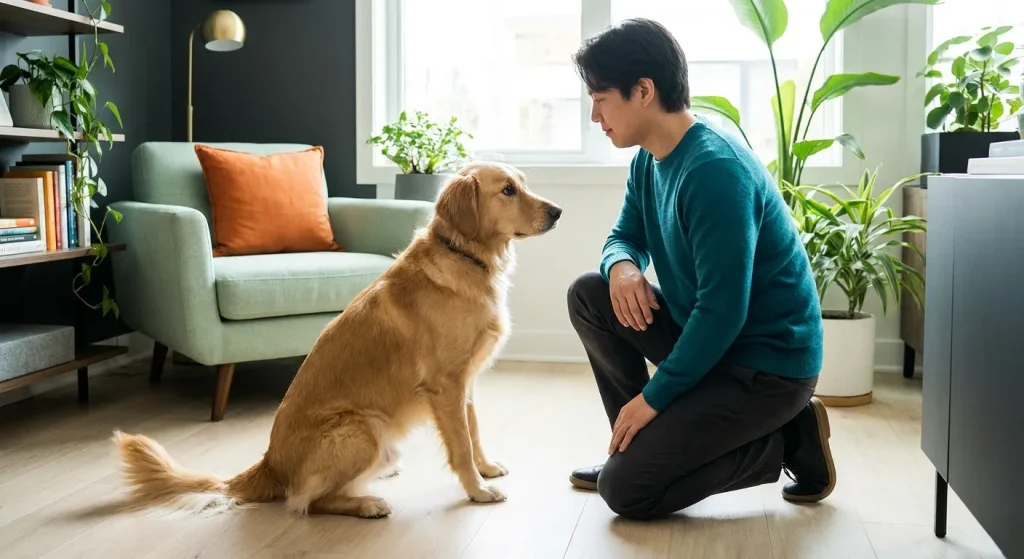
Sometimes outdoor exercise is not possible. However, you can still keep your dog active indoors.
- Hide-and-seek games
- Indoor fetch with soft toys
- Obstacle courses using household items
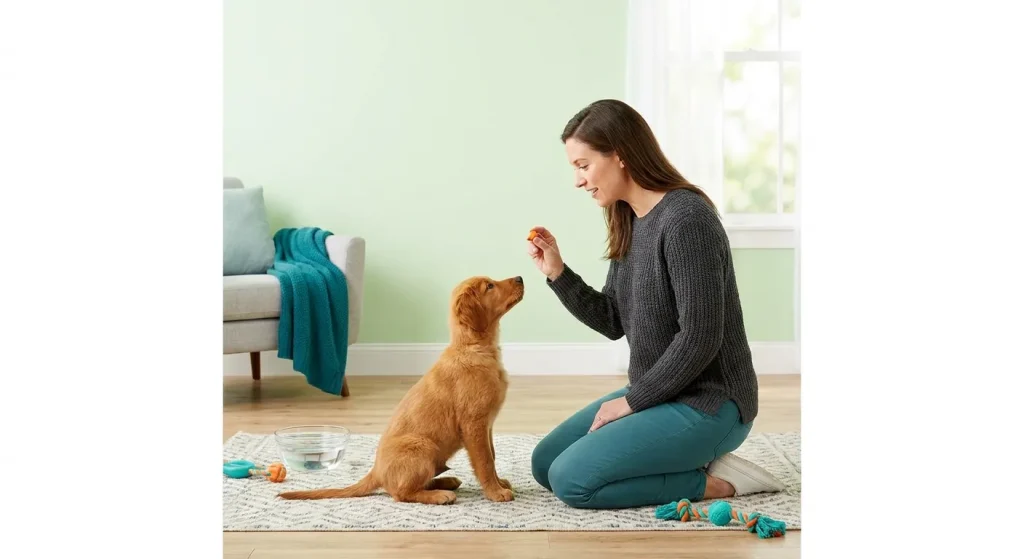
- Training sessions with rewards
These activities help reduce the risk of dog inactivity weight gain even when staying inside.
Adjusting Exercise Based on Age and Breed
Not all dogs require the same level of activity. Therefore, it is important to tailor exercise routines.
Puppies
Young dogs have high energy levels. Short, frequent play sessions are ideal.
Adult Dogs
Most adult dogs benefit from regular walks and active play. Consistency is key to preventing weight gain.
Senior Dogs
Older dogs still need movement, but intensity should be lower. Gentle walks and light play help maintain health without strain.
When to Consult a Veterinarian
If your dog continues gaining weight despite increased activity, professional advice is necessary.
A veterinarian can:
- Check for underlying health conditions
- Recommend a suitable diet plan
- Suggest safe exercise routines
Early intervention helps prevent complications related to dog inactivity weight gain.
Building Long-Term Healthy Habits
Sustainable habits are more effective than quick fixes. Focus on creating a balanced lifestyle for your dog.
Set Realistic Goals
Gradual weight loss is safer and more effective. Avoid drastic changes that may stress your dog.
Monitor Progress
Regularly check your dog’s weight and body condition. This helps you adjust routines as needed.
Stay Consistent
Consistency ensures long-term success. Even small daily efforts can prevent dog inactivity weight gain over time.
Conclusion
Dog inactivity weight gain is a preventable issue that stems from modern lifestyles and reduced physical activity. While diet plays a role, lack of movement is often the main cause.
By understanding the factors behind weight gain, you can take proactive steps to keep your dog healthy. Regular exercise, proper feeding, and consistent routines all contribute to better well-being.
Ultimately, an active dog is a happy and healthy companion. Taking action today ensures your pet enjoys a longer, more energetic life.
FAQ
1. How can I tell if my dog is overweight?
You can check if your dog has a visible waist and feel their ribs without excess fat. Reduced energy is also a common sign.
2. How much exercise does a dog need daily?
Most dogs need at least 30 minutes of activity each day. However, this varies by breed, age, and health condition.
3. Can indoor dogs stay fit without outdoor walks?
Yes, indoor games and structured play can help maintain fitness. Still, outdoor walks provide additional benefits.
4. Does age affect a dog’s activity level?
Older dogs tend to be less active. However, they still need regular movement to stay healthy.
5. What foods help prevent weight gain in dogs?
Balanced, portion-controlled meals with fewer high-calorie treats support a healthy weight and overall wellness.