
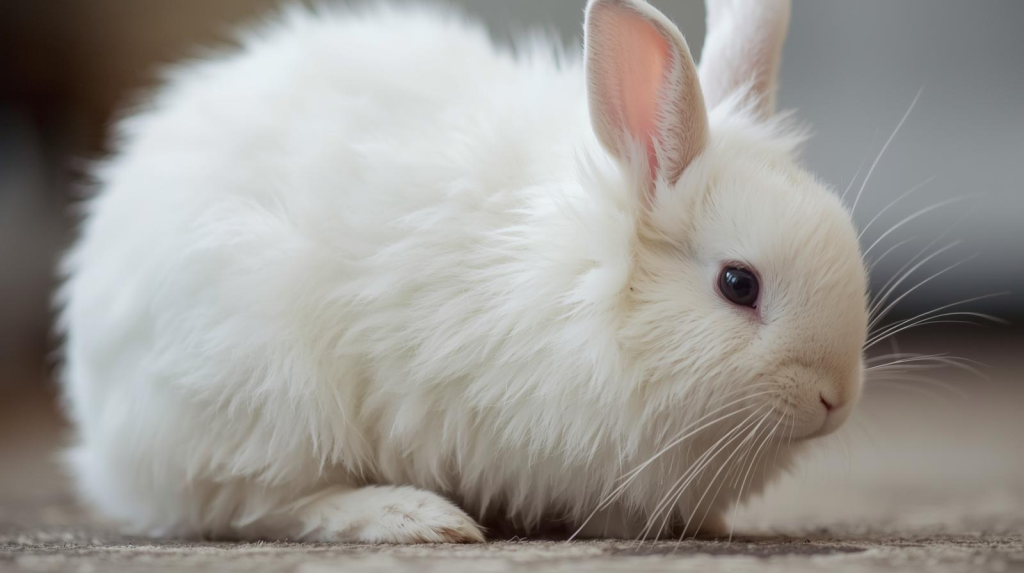

Small pets such as rabbits, guinea pigs, hamsters, and gerbils are known for their adorable appearance and gentle personalities. However, maintaining their health involves more than providing food and shelter. Proper grooming plays a key role in their overall well-being. Because of this, grooming small pets correctly helps maintain healthy coats, clean skin, and comfortable living conditions.
Unlike dogs and cats, many small animals groom themselves regularly. Still, they often require assistance from their owners to prevent matting, dirt buildup, or overgrown nails. In addition, some breeds with longer fur require extra grooming attention.
Regular grooming also allows owners to monitor their pet’s health. While grooming, it becomes easier to detect parasites, skin irritation, or injuries.
By establishing consistent grooming routines, owners can help small pets remain comfortable, clean, and healthy throughout their lives.
Why Grooming Is Important for Small Animals
Maintaining hygiene through grooming small pets supports several aspects of animal health. Clean fur and skin help prevent infections, parasites, and skin irritation.
Grooming also improves circulation and removes loose hair. Removing excess fur reduces the chances of hair ingestion, which may cause digestive problems in certain animals.
Another benefit involves early health detection. When owners handle pets during grooming sessions, they may notice lumps, wounds, or unusual changes in the skin.
In addition, grooming strengthens the bond between pets and their owners. Gentle handling helps small animals feel more comfortable and secure.
Routine care keeps animals clean and reduces odors in their living environment.
When grooming becomes part of regular pet care, animals remain healthier and happier.
Understanding Different Coat Types
Different animals require different grooming approaches. Therefore, grooming small pets begins with understanding coat type and species-specific needs.
Some animals have short fur that rarely tangles. Others have longer coats that require frequent brushing.
For example:
• Short-haired hamsters require minimal brushing
• Guinea pigs may require weekly grooming
• Long-haired rabbits often need frequent brushing
Longer fur tends to trap debris, which may cause matting.
Additionally, dense coats can hide parasites or skin irritation.
Understanding coat type helps owners select the correct grooming tools.
Matching grooming routines to the animal’s coat prevents discomfort and maintains coat health.
Brushing and Coat Maintenance
Brushing forms one of the most important aspects of grooming small pets. Regular brushing removes loose hair and keeps coats smooth and clean.
Soft grooming brushes designed for small animals work best. These tools remove hair without irritating delicate skin.
Short-haired animals may only require occasional brushing.
Long-haired animals often benefit from weekly or even daily brushing.
Gentle brushing prevents knots from forming in the fur.
In addition, brushing distributes natural skin oils that help maintain coat shine.
Owners should brush carefully, especially around sensitive areas like the belly or legs.
Regular brushing also helps animals become comfortable with handling.
Preventing Matting and Tangled Fur
Matting can cause serious discomfort for small animals. Tight knots in the fur may pull on the skin and restrict movement.
Preventing mats remains a critical part of grooming small pets.
Matting often occurs when long fur becomes tangled with dirt or debris.
Regular brushing helps prevent these problems.
Owners should pay attention to areas prone to tangling, including:
• Behind the ears
• Around the legs
• Under the belly
• Near the tail
If mats develop, they should be removed carefully.
Using grooming scissors or consulting a veterinarian may help remove stubborn tangles.
Preventing mats protects skin health and animal comfort.
Safe Nail Trimming Practices
Nail trimming represents another essential step in grooming small pets. Many small animals have nails that grow continuously.
If nails grow too long, they may cause pain or interfere with movement.
Overgrown nails may also snag on cage surfaces or bedding.
Special pet nail clippers help trim nails safely.
Owners should cut only the tip of the nail to avoid the quick, which contains blood vessels.
Providing chew toys or rough surfaces may naturally wear nails down slightly.
However, trimming remains necessary for many pets.
Regular nail care helps maintain mobility and prevents injuries.
Cleaning Scent Glands and Sensitive Areas
Some small animals possess scent glands that may require occasional cleaning. These glands may collect dirt or oils over time.
Proper grooming small pets sometimes includes gentle cleaning of these areas.
For example, hamsters and gerbils have scent glands used for marking territory.
If these areas appear dirty, gentle wiping with damp cotton may help.
However, excessive cleaning should be avoided.
Animals naturally manage many hygiene needs themselves.
Owners should only clean areas when necessary.
Careful handling helps avoid stress during grooming sessions.
Maintaining cleanliness in sensitive areas supports hygiene and comfort.
Bathing Small Pets: When It Is Necessary
Bathing small animals is usually unnecessary and sometimes harmful. Many small pets groom themselves naturally.
However, grooming small pets may occasionally involve bathing when animals become unusually dirty.
Certain animals, such as rabbits, should rarely be bathed because water may cause stress or temperature problems.
Instead, spot cleaning with damp cloths often works better.
Dust baths may benefit animals such as hamsters or chinchillas.
Dust baths help remove oils and debris from fur naturally.
Understanding species-specific bathing needs prevents unnecessary stress.
Minimal bathing helps maintain healthy skin and fur.
Monitoring Skin and Fur Health
While grooming, owners should observe the animal’s skin carefully. Monitoring health during grooming small pets allows early detection of potential issues.
Signs of concern may include:
• Red or irritated skin
• Bald patches
• Parasites or mites
• Unusual lumps
Healthy skin should appear smooth and free from swelling.
Fur should look clean and evenly distributed.
Detecting problems early allows quick veterinary treatment.
Regular grooming sessions help owners remain familiar with their pet’s normal appearance.
This awareness makes it easier to identify unusual changes.
Monitoring health protects animals from developing more serious problems.
Creating Comfortable Grooming Experiences
Some small animals may initially resist grooming. Therefore, patience helps establish successful grooming small pets routines.
Owners should begin with short grooming sessions.
Gentle handling helps animals remain calm.
Speaking softly or offering treats may help reduce stress.
Over time, animals often become comfortable with grooming.
Choosing quiet environments also improves the experience.
Avoid sudden movements that may startle pets.
Positive grooming experiences strengthen trust between owners and animals.
Calm routines help animals feel safe during handling.
Establishing Regular Grooming Schedules
Consistency plays a major role in effective grooming small pets routines. Regular schedules prevent grooming tasks from becoming overwhelming.
Short-haired animals may only require occasional brushing.
Long-haired animals may benefit from weekly grooming sessions.
Nail trimming usually occurs every few weeks.
Monitoring coat condition helps determine grooming frequency.
Animals with thicker coats may require more frequent care.
Developing predictable routines helps pets adapt to grooming.
Consistent grooming also prevents hygiene problems from developing.
Routine care keeps animals comfortable and clean.
Conclusion
Proper grooming small pets supports hygiene, comfort, and long-term health. Regular brushing prevents matting while helping maintain healthy fur and skin.
Nail trimming, coat maintenance, and occasional cleaning all contribute to a well-rounded grooming routine.
In addition, grooming sessions allow owners to detect early signs of health concerns.
When handled gently, many small animals learn to tolerate and even enjoy grooming sessions.
Consistent grooming practices help animals remain clean, healthy, and comfortable in their environments.
By understanding species-specific grooming needs and maintaining regular care routines, owners provide essential support for their pets’ well-being.
Healthy grooming habits ultimately lead to happier and healthier small animals.
FAQ
1. How often should small pets be groomed?
Most small pets benefit from weekly grooming, although frequency depends on coat type and species.
2. Do rabbits need regular brushing?
Yes. Rabbits shed frequently, so brushing helps remove loose fur and prevent hair ingestion.
3. Is bathing necessary for small animals?
Most small pets rarely need baths. Spot cleaning or dust baths are usually better options.
4. How can owners trim small pet nails safely?
Using small animal nail clippers and trimming only the tips helps avoid injury.
5. What signs indicate grooming problems in small pets?
Matting, skin redness, parasites, or unusual hair loss may indicate grooming or health concerns.