
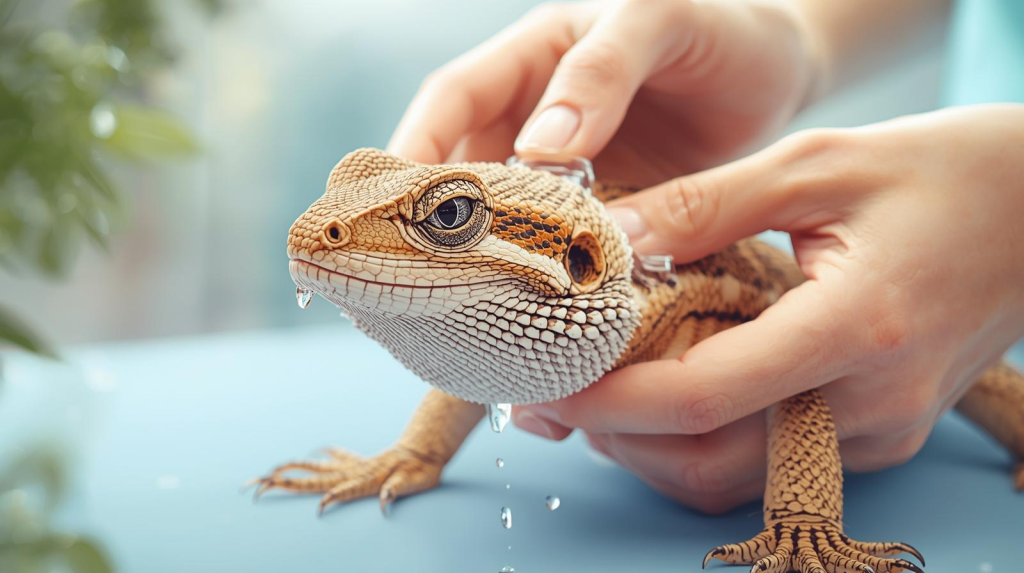

Keeping reptiles healthy requires more than proper heating and feeding. Clean environments, safe handling habits, and consistent sanitation practices are equally important. Many owners focus heavily on habitat setup yet overlook critical aspects of reptile hygiene care that directly affect reptile health.
Reptiles live in controlled environments where bacteria, waste, and moisture can accumulate quickly. Because these animals depend on their habitats for survival, poor hygiene may lead to infections, parasites, or respiratory problems.
Fortunately, most hygiene problems are preventable. With proper cleaning routines and attention to overlooked details, reptile owners can maintain safe living conditions.
Understanding hygiene responsibilities also helps prevent illnesses that may affect both reptiles and their caregivers. By following consistent care practices, owners can protect their pets and maintain healthier reptile habitats.
Why Hygiene Is Critical for Reptile Health
Reptiles rely on stable environments to remain healthy. Unlike mammals, they cannot regulate body temperature internally. Because of this, they depend on habitat conditions that remain clean and well maintained.
Proper reptile hygiene care prevents the buildup of harmful bacteria, parasites, and waste products. These contaminants may cause skin infections, digestive issues, or respiratory illnesses.
Additionally, reptiles often spend most of their time inside their enclosures. If waste accumulates or humidity becomes unbalanced, their immune systems may become stressed.
Clean environments also help maintain water quality, substrate cleanliness, and healthy air circulation.
Routine sanitation reduces the risk of disease while creating a safer habitat. When hygiene routines remain consistent, reptiles can thrive and maintain strong immune defenses.
Overlooking Regular Spot Cleaning
One of the most common mistakes in reptile hygiene care involves neglecting daily spot cleaning. Many owners perform occasional deep cleans but overlook small daily maintenance tasks.
Spot cleaning removes waste, shed skin, and leftover food before bacteria can spread.
Simple daily tasks include:
• Removing feces
• Cleaning uneaten insects or food
• Wiping dirty surfaces
• Replacing soiled substrate
These small actions prevent odors and contamination from building up.
Additionally, daily cleaning helps maintain healthy air quality within the enclosure.
Spot cleaning only takes a few minutes but greatly improves habitat cleanliness. Consistent attention prevents problems that may require more intensive cleaning later.
Improper Water Bowl Maintenance
Water dishes often become contaminated quickly. Reptiles may soak, defecate, or drag substrate into their water bowls.
Because of this, reptile hygiene care requires careful water maintenance.
Dirty water can harbor bacteria that cause infections or digestive problems.
Water bowls should be emptied, washed, and refilled regularly.
Using warm water and reptile-safe disinfectants helps remove bacteria effectively.
Fresh water also encourages reptiles to drink properly, which supports hydration and shedding.
Owners should check water dishes daily to ensure they remain clean and safe.
Clean water plays an essential role in reptile health and hygiene.
Ignoring Substrate Replacement
Substrate forms the foundation of many reptile enclosures. However, it often traps waste, moisture, and bacteria.
Neglecting substrate replacement represents another common issue in reptile hygiene care.
Over time, contaminated substrate may lead to fungal growth or unpleasant odors.
Different reptiles require different substrate types, including sand, soil, bark, or paper bedding.
Regardless of the material, substrate should be replaced regularly.
Spot cleaning helps maintain cleanliness between full replacements.
Completely changing substrate periodically removes hidden contaminants.
Clean substrate supports healthy environments and prevents bacterial growth.
Poor Handling Hygiene
Hygiene extends beyond the enclosure itself. Handling practices also play an important role in reptile hygiene care.
Reptiles can carry bacteria such as Salmonella, which may transfer through improper handling.
Therefore, washing hands before and after handling reptiles is essential.
Clean hands protect both the reptile and the owner.
Handling reptiles with dirty hands may introduce bacteria or chemicals into their environment.
Additionally, reptiles should not be handled immediately after feeding.
Allowing time for digestion prevents stress and potential regurgitation.
Proper handling hygiene supports safety for both humans and reptiles.
Neglecting Enclosure Decorations
Branches, hides, rocks, and climbing structures enhance reptile habitats. However, these items can also accumulate bacteria and debris.
Cleaning decorations is another often overlooked aspect of reptile hygiene care.
Food residue and waste may hide on surfaces where bacteria thrive.
Decorative items should be removed and cleaned periodically.
Safe cleaning methods include warm water and reptile-safe disinfectants.
Rinsing thoroughly ensures no chemicals remain on surfaces.
Maintaining clean habitat accessories helps prevent contamination inside the enclosure.
Clean decorations contribute to a healthier environment overall.
Improper Humidity Control
Humidity plays a crucial role in reptile health. However, poor humidity management can create unsanitary conditions.
Maintaining balanced moisture levels supports effective reptile hygiene care.
Excess moisture encourages mold, bacteria, and fungal growth inside enclosures.
Dry environments may also cause shedding problems.
Monitoring humidity with hygrometers helps maintain proper conditions.
Ventilation also helps prevent stagnant air and bacterial growth.
Balancing humidity supports healthy skin, proper shedding, and clean environments.
Stable humidity levels improve overall reptile well-being.
Failing to Disinfect Feeding Tools
Feeding tools such as tongs, bowls, and insect containers may spread bacteria if not cleaned properly.
Sanitizing these items forms an important part of reptile hygiene care.
Food residue may remain on tools after feeding sessions.
Without cleaning, bacteria can spread during the next feeding.
Using warm water and reptile-safe disinfectants removes harmful microbes.
Drying tools thoroughly before reuse prevents moisture buildup.
Clean feeding tools help protect reptiles from digestive infections.
Consistent sanitation keeps feeding routines safe.
Infrequent Deep Cleaning of Enclosures
Daily spot cleaning helps maintain cleanliness, yet full enclosure cleaning remains necessary.
Periodic deep cleaning supports effective reptile hygiene care.
During deep cleaning, the entire enclosure should be emptied.
Substrate, decorations, and water bowls should be removed and sanitized.
Walls and surfaces should also be wiped with reptile-safe cleaning products.
Allowing surfaces to dry completely before reassembly helps eliminate bacteria.
Deep cleaning schedules vary depending on reptile species and enclosure size.
Regular deep cleaning prevents long-term contamination.
Ignoring Shedding Hygiene Needs
Reptiles shed their skin periodically as they grow. However, shedding may leave behind debris inside the enclosure.
Managing shedding properly is another part of reptile hygiene care.
Incomplete sheds can trap bacteria or cause skin irritation.
Providing rough surfaces or humidity hides helps reptiles shed properly.
Owners should remove shed skin from the enclosure once shedding is complete.
Clean habitats help prevent infection during vulnerable shedding periods.
Monitoring sheds also helps detect potential health concerns.
Proper shedding care contributes to better hygiene and skin health.
Maintaining Clean Surrounding Areas
The area around reptile enclosures can also affect hygiene. Dust, spilled food, or insects near the enclosure may introduce contaminants.
Maintaining surrounding cleanliness supports effective reptile hygiene care.
Owners should clean surfaces near the enclosure regularly.
Avoid placing reptile habitats near kitchens or food preparation areas.
Separate cleaning supplies should also be used for reptile equipment.
Maintaining clean surrounding environments helps prevent cross-contamination.
Safe storage of reptile supplies also improves hygiene practices.
Clean environments extend beyond the enclosure itself.
Conclusion
Effective reptile hygiene care plays a vital role in maintaining reptile health and preventing disease. While feeding and habitat design receive much attention, hygiene practices often determine long-term well-being.
Daily spot cleaning, regular substrate replacement, and proper water maintenance help maintain clean environments. Additionally, safe handling practices and disinfected tools reduce bacterial risks.
Owners who maintain consistent hygiene routines create safer habitats for their reptiles.
Clean environments support healthy shedding, strong immune systems, and comfortable living conditions.
By addressing overlooked hygiene habits, reptile owners can provide the care their animals truly need.
Consistent sanitation practices ensure reptiles remain healthy, active, and protected from preventable health issues.
FAQ
1. How often should reptile enclosures be cleaned?
Spot cleaning should occur daily, while full enclosure cleaning may be needed every few weeks depending on the species.
2. Why is hand washing important after handling reptiles?
Reptiles may carry bacteria such as Salmonella, so proper hygiene protects both owners and pets.
3. What cleaning products are safe for reptile habitats?
Reptile-safe disinfectants or diluted solutions designed for animal enclosures are recommended.
4. How often should reptile water dishes be cleaned?
Water bowls should be checked daily and cleaned whenever they become dirty or contaminated.
5. What signs indicate poor enclosure hygiene?
Strong odors, mold growth, dirty substrate, or cloudy water often signal hygiene problems.