
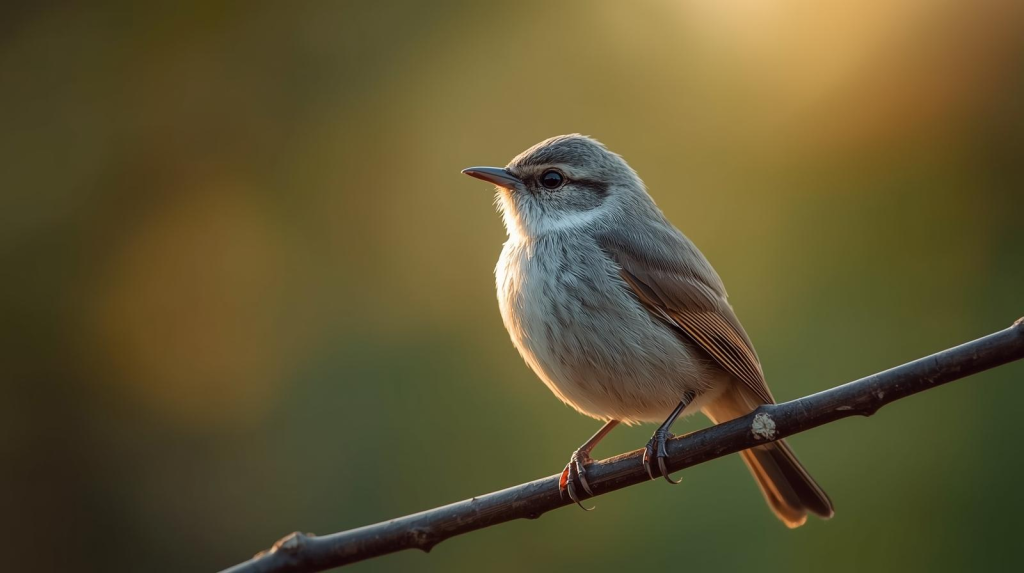

Bird owners often focus on food, cages, and toys when caring for their pets. However, lighting plays an equally important role in maintaining a bird’s health and behavior. In captivity, birds rely on their environment to replicate natural conditions, which is why proper lighting for birds becomes essential for their well-being.
In the wild, birds experience natural sunlight cycles that regulate sleep, hormones, and vitamin production. Indoor birds rarely receive the same light exposure. As a result, poor lighting conditions may lead to behavioral issues, vitamin deficiencies, or weakened immunity.
Providing appropriate lighting helps maintain natural circadian rhythms. Additionally, proper light supports feather health, bone strength, and overall vitality.
By understanding how lighting affects birds, owners can create healthier living environments. With the right lighting setup, pet birds can thrive physically and mentally.
Why Lighting Is Critical for Bird Health
Light affects birds in ways many owners do not immediately recognize. Beyond visibility, lighting influences hormones, metabolism, and daily activity cycles.
Because of these factors, proper lighting for birds plays a significant role in maintaining health. Birds rely on light exposure to regulate biological processes.
One major benefit involves vitamin D production. When birds receive appropriate light, their bodies produce vitamin D3, which helps absorb calcium. Calcium supports bone strength and egg production.
Lighting also helps regulate sleep patterns. Birds naturally follow daylight cycles to determine when to wake, eat, and rest.
Without proper lighting conditions, birds may become stressed or confused about their daily rhythms.
Therefore, replicating natural light cycles helps maintain stability in captive environments.
Understanding Natural Light Cycles
In the wild, birds experience consistent patterns of daylight and darkness. These cycles guide feeding, mating, and rest behaviors.
For indoor birds, proper lighting for birds should mimic these natural rhythms as closely as possible.
Most birds thrive when exposed to about 10 to 12 hours of daylight followed by a period of darkness.
Consistent schedules help birds develop predictable sleep patterns. When light cycles remain irregular, birds may experience stress or behavioral issues.
For example, constant artificial lighting can disrupt sleep and hormone balance.
Using timers for lights helps maintain regular schedules.
Predictable lighting routines allow birds to feel secure and comfortable in their environment.
Benefits of Natural Sunlight
Natural sunlight offers several benefits for birds. Whenever possible, safe exposure to sunlight supports overall wellness.
Because sunlight contains full-spectrum light, it contributes to proper lighting for birds in ways artificial light cannot fully replicate.
Sunlight supports vitamin D synthesis, which helps maintain bone health and strong feathers.
Additionally, sunlight enhances color perception. Birds have highly sensitive vision and benefit from natural lighting conditions.
However, birds should never be placed in direct sunlight without shade. Excess heat can cause overheating.
Instead, placing cages near bright windows provides safe natural light exposure.
When natural sunlight remains limited, artificial lighting can help supplement light needs.
The Role of Full-Spectrum Bird Lighting
Indoor birds often benefit from specialized lighting designed to mimic natural sunlight. Full-spectrum bulbs provide light wavelengths similar to sunlight.
Because of this, proper lighting for birds often includes the use of full-spectrum bird lights.
These lights support natural color perception and help regulate circadian rhythms.
Full-spectrum lighting also assists in vitamin D production when birds cannot access natural sunlight.
Bird-specific bulbs differ from standard household lights. They provide light frequencies designed for avian vision and health.
Positioning these lights properly ensures birds receive adequate exposure without causing stress.
Using bird-safe lighting improves both health and environmental enrichment.
Positioning Lights Safely Around Bird Cages
Lighting placement plays an important role in ensuring comfort and safety. Improper placement may cause glare, stress, or overheating.
When implementing proper lighting for birds, lights should be positioned above the cage rather than directly inside.
Overhead placement mimics natural sunlight and distributes light evenly.
Lights should also remain several inches away from the cage to prevent heat buildup.
Additionally, birds should always have access to shaded areas within the cage.
Shade allows birds to control their exposure to light and regulate comfort.
Proper positioning creates balanced lighting that supports natural behavior.
How Lighting Affects Bird Behavior
Lighting influences bird behavior more than many owners realize. Brightness, timing, and color spectrum can all impact mood and activity.
When birds receive proper lighting for birds, they often display improved energy and social behavior.
Balanced light exposure encourages natural daily routines such as feeding, grooming, and vocalizing.
Conversely, poor lighting may contribute to lethargy or agitation.
Birds that experience inconsistent lighting schedules may also show behavioral changes.
For example, disrupted light cycles may trigger excessive screaming or feather plucking.
Consistent lighting helps maintain emotional stability and natural habits.
Sleep and Darkness Are Equally Important
While light exposure matters, darkness is just as important for birds. Birds require uninterrupted sleep periods to maintain health.
Providing proper lighting for birds also means ensuring adequate darkness at night.
Most birds need 10 to 12 hours of quiet, dark sleep each night.
Without proper rest, birds may become irritable or stressed.
Covering the cage or dimming lights helps create a peaceful sleeping environment.
Avoid placing bird cages near televisions or bright household lights at night.
Maintaining consistent sleep schedules supports both physical and emotional health.
Avoiding Harmful Lighting Conditions
Certain lighting conditions may negatively affect birds. Therefore, avoiding common lighting mistakes helps protect bird health.
When providing proper lighting for birds, owners should avoid flickering or overly bright lights.
Fluorescent bulbs sometimes flicker at frequencies humans cannot detect but birds can perceive.
This flickering may cause stress or discomfort.
Additionally, sudden lighting changes can frighten birds.
Gradual transitions between light and darkness help birds adjust comfortably.
Using timers and appropriate bulbs helps maintain stable lighting environments.
Seasonal Lighting Considerations
Seasonal changes also affect lighting conditions for indoor birds. Winter months may bring shorter daylight hours and reduced sunlight.
During these times, proper lighting for birds becomes even more important.
Artificial lighting can help compensate for reduced natural sunlight.
Timers can maintain consistent daylight durations regardless of seasonal changes.
Providing stable lighting schedules prevents behavioral disruptions.
Seasonal adjustments help birds maintain normal activity patterns throughout the year.
Balanced lighting ensures birds remain healthy regardless of changing daylight hours.
Combining Lighting With Enrichment
Lighting also contributes to environmental enrichment. Bright, well-lit spaces encourage birds to explore toys, perches, and food sources.
By supporting proper lighting for birds, owners can promote activity and mental stimulation.
Birds often feel more confident in environments where visibility remains clear.
Well-lit cages encourage natural behaviors such as climbing, grooming, and interacting with objects.
Combining lighting with enrichment toys further improves quality of life.
Engaging environments help prevent boredom and behavioral problems.
Thoughtful cage setup enhances both comfort and stimulation.
Conclusion
Providing proper lighting for birds is essential for maintaining health, behavior, and natural rhythms. Lighting influences sleep patterns, hormone balance, and vitamin production.
Natural sunlight offers many benefits, yet indoor birds often require supplemental lighting. Full-spectrum bird lights help replicate natural conditions when sunlight remains limited.
Equally important, birds require consistent sleep periods in dark environments. Balanced light cycles allow birds to maintain natural biological rhythms.
By understanding lighting needs and creating stable routines, bird owners can significantly improve their pets’ well-being.
Proper lighting supports strong bones, vibrant feathers, and healthy behavior.
With thoughtful lighting setups, birds can enjoy comfortable and enriched living environments.
FAQ
1. How many hours of light do pet birds need daily?
Most pet birds benefit from about 10 to 12 hours of daylight followed by a similar period of darkness for healthy sleep.
2. Are regular household bulbs safe for birds?
Standard bulbs provide light but often lack the full spectrum that supports avian health.
3. Can birds get enough sunlight through windows?
Glass filters certain ultraviolet rays, so birds may not receive full benefits of natural sunlight through windows.
4. What type of lighting is best for indoor birds?
Full-spectrum bird-safe bulbs are commonly recommended because they mimic natural sunlight.
5. Why is darkness important for birds at night?
Birds require uninterrupted darkness to maintain healthy sleep cycles and balanced hormones.