
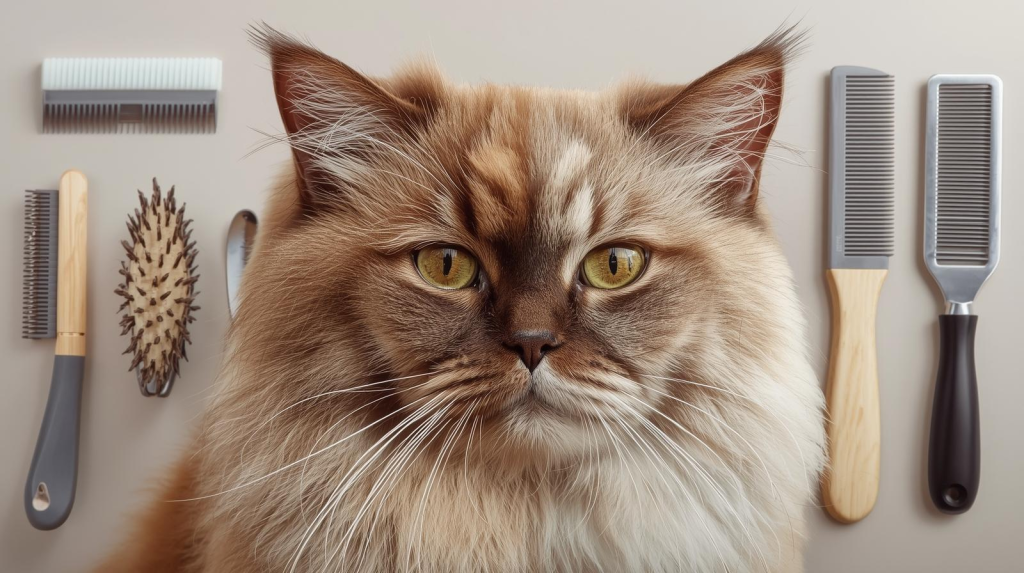

Cats are known for grooming themselves regularly, yet many breeds still require additional care from their owners. Coat type, fur length, and genetic traits all influence how much grooming a cat needs. Because of these differences, understanding cat grooming needs by breed helps owners provide the right level of care.
Some cats require only occasional brushing. Others need daily grooming to prevent mats and tangles. Additionally, certain breeds require special skin or coat maintenance.
Proper grooming does more than keep a cat looking clean. It also supports healthy skin, reduces shedding, and prevents painful matting.
When owners understand how grooming requirements vary among breeds, they can develop routines that keep cats comfortable and healthy.
This guide explains how grooming needs differ across breeds and how to create effective grooming routines for your cat.
Why Grooming Matters for Every Cat
Regular grooming provides several health benefits for cats. Although cats clean themselves frequently, they still benefit from additional care.
Understanding cat grooming needs by breed allows owners to tailor grooming routines to each cat’s coat type.
Brushing removes loose hair, dirt, and debris. It also distributes natural skin oils that keep fur healthy and shiny.
In addition, grooming reduces the risk of hairballs. When cats swallow excessive fur during self-grooming, digestive issues can occur.
Regular brushing also helps owners detect health concerns early. Skin irritation, parasites, or unusual lumps may become visible during grooming.
Because grooming supports both hygiene and health, every cat benefits from some level of care.
Short-Haired Cat Breeds
Short-haired cats typically require the least grooming. Their coats rarely develop severe tangles, and shedding remains easier to manage.
However, even short-haired cats still have specific cat grooming needs by breed.
Popular short-haired breeds include:
• American Shorthair
• British Shorthair
• Siamese
• Russian Blue
These cats usually benefit from brushing once or twice per week. Regular brushing removes loose fur and helps control shedding around the home.
Rubber grooming brushes work well for short coats because they remove hair gently.
Although grooming needs remain lower, routine care still supports healthy skin and coat condition.
Long-Haired Cat Breeds
Long-haired cats require far more grooming attention than short-haired breeds. Their coats easily form knots and mats if left unattended.
Because of this, understanding cat grooming needs by breed becomes especially important for long-haired cats.
Common long-haired breeds include:
• Persian
• Maine Coon
• Ragdoll
• Norwegian Forest Cat
These cats often require daily brushing to prevent matting. Long hair can trap debris and moisture close to the skin.
Regular grooming helps keep the coat smooth and comfortable.
Metal combs and slicker brushes are particularly useful for detangling long fur.
Consistent grooming also reduces hairballs, which occur more frequently in long-haired breeds.
Cats With Thick Double Coats
Some breeds possess dense double coats that shed heavily during seasonal changes. These coats require regular brushing to remove undercoat hair.
When considering cat grooming needs by breed, double-coated cats require extra attention during shedding periods.
Examples include:
• Siberian
• Maine Coon
• Norwegian Forest Cat
These breeds develop thick undercoats for insulation. During seasonal shedding, loose hair may accumulate quickly.
Brushing several times per week helps remove excess fur and prevent matting.
Undercoat rakes can help remove deeper layers of loose hair safely.
Consistent grooming keeps the coat breathable and comfortable.
Hairless and Low-Fur Cat Breeds
Hairless cats may appear to require little grooming. However, they actually need regular skin care.
Understanding cat grooming needs by breed includes recognizing the special needs of hairless cats.
Breeds such as the Sphynx produce natural skin oils that would normally be absorbed by fur. Without fur, these oils accumulate on the skin.
As a result, hairless cats require periodic bathing.
Gentle baths remove oil buildup and prevent skin irritation.
Owners should also clean the ears and wipe the skin regularly.
Even though these cats lack traditional coats, grooming remains essential for maintaining healthy skin.
Grooming Tools for Different Coat Types
Using the correct grooming tools helps simplify grooming routines. Different coat types respond better to specific brushes and combs.
Choosing tools based on cat grooming needs by breed improves grooming efficiency and comfort.
Common grooming tools include:
• Slicker brushes for long fur
• Rubber brushes for short coats
• Metal combs for detangling
• Undercoat rakes for dense coats
Selecting the right brush prevents discomfort while removing loose hair effectively.
Gentle grooming sessions help cats become more comfortable with handling.
Introducing grooming gradually also helps reduce stress.
Managing Shedding Through Grooming
All cats shed to some degree. However, grooming routines can significantly reduce loose hair around the home.
Understanding cat grooming needs by breed allows owners to manage shedding more effectively.
Brushing removes loose hair before it spreads around furniture and clothing.
During seasonal shedding, cats may require more frequent grooming sessions.
Additionally, proper nutrition supports coat health and reduces excessive shedding.
A healthy coat sheds naturally but remains manageable with regular brushing.
Maintaining consistent grooming habits keeps shedding under control.
Preventing Matting and Tangled Fur
Matting can cause serious discomfort for cats. Tight knots pull on the skin and may lead to irritation or infection.
Preventing mats is an important part of cat grooming needs by breed, especially for long-haired cats.
Brushing removes loose hair that contributes to mat formation.
Pay special attention to areas where mats commonly develop, such as:
• Behind the ears
• Under the legs
• Around the collar area
• Along the belly
Early removal of small tangles prevents larger mats from forming.
If severe matting occurs, professional grooming may be necessary.
Additional Grooming Needs Beyond Brushing
Grooming involves more than coat care alone. Other aspects of feline hygiene should also be included.
Proper cat grooming needs by breed may also include:
• Nail trimming
• Ear cleaning
• Dental care
• Occasional bathing
Regular nail trimming prevents scratching injuries and protects furniture.
Ear cleaning helps remove wax buildup that may lead to infections.
Dental hygiene supports long-term oral health.
These additional grooming steps complement regular brushing routines.
Helping Cats Feel Comfortable With Grooming
Some cats resist grooming at first. Therefore, patience and positive reinforcement help create better grooming experiences.
When addressing cat grooming needs by breed, it helps to introduce grooming gradually.
Start with short grooming sessions lasting only a few minutes.
Reward calm behavior with treats or praise.
Choose quiet environments where the cat feels safe.
Over time, many cats learn to enjoy grooming sessions.
Gentle handling builds trust between the cat and owner.
Adjusting Grooming as Cats Age
Grooming needs may change as cats grow older. Senior cats sometimes groom themselves less due to reduced flexibility or arthritis.
Because of this, cat grooming needs by breed may increase slightly for aging cats.
Owners may need to brush older cats more frequently to compensate for reduced self-grooming.
Additionally, older cats may develop thicker coats or slower shedding cycles.
Providing gentle grooming helps maintain hygiene and comfort.
Monitoring coat condition helps detect health problems early.
Conclusion
Understanding cat grooming needs by breed helps cat owners provide the proper care their pets require. Different breeds have unique coat types that demand varying grooming routines.
Short-haired cats typically require occasional brushing, while long-haired breeds often need daily grooming. Hairless cats require regular skin care instead of coat brushing.
Proper grooming helps maintain healthy skin, reduce shedding, and prevent painful matting.
Additionally, grooming sessions provide valuable opportunities to monitor overall health.
By creating grooming routines that match each breed’s needs, owners can ensure their cats remain comfortable, clean, and healthy.
Consistent grooming supports long-term well-being and strengthens the bond between cats and their caregivers.
FAQ
1. Do all cats need regular brushing?
Most cats benefit from brushing, although short-haired breeds usually require less frequent grooming.
2. How often should long-haired cats be groomed?
Long-haired cats often need daily brushing to prevent tangles and matting.
3. Why do hairless cats still require grooming?
Hairless cats produce natural skin oils that must be cleaned regularly to prevent buildup.
4. Can grooming reduce shedding in cats?
Yes. Brushing removes loose fur before it spreads around the home.
5. When should a professional groomer be used?
Professional grooming may help if a cat develops severe matting or becomes difficult to groom safely.